
Gas vs Charcoal Grills: Which is Right for You?
The gas versus charcoal debate has divided backyards for decades. Both produce great food when used properly, but they…

The gas versus charcoal debate has divided backyards for decades. Both produce great food when used properly, but they serve different cooks with different priorities.
This isn’t about which is objectively better. It’s about which fits your cooking style and lifestyle.
Disclosure: As an Amazon Associate, this site earns from qualifying purchases. Thank you!
Flavor
Charcoal wins on flavor. Burning hardwood charcoal produces smoke compounds that deposit on food, creating the distinctive grilled taste that most people associate with outdoor cooking.
The drippings that fall onto hot coals vaporize and rise back up as flavorful smoke.
Gas grills produce heat cleanly, with minimal smoke. The flame itself adds almost nothing to flavor. What you’re getting is the Maillard reaction from direct heat and minor smoke from drippings hitting the flavorizer bars or heat shields above the burners.
The flavor difference is most noticeable on simple preparations: salt-and-pepper steaks, burgers, chicken thighs. These rely entirely on the meat itself and the char.
Less noticeable on heavily seasoned or sauced dishes where rubs and glazes dominate. A BBQ-sauced chicken breast tastes similar on either grill because the sauce masks the subtle smoke difference.
Adding a smoker box with wood chips to a gas grill bridges the gap partially. You’ll get noticeable wood smoke, but it doesn’t replicate the full charcoal experience.
Charcoal itself contributes flavor compounds beyond what wood chips alone provide. Think of the smoker box as getting you 60-70% of the way there.
Lump charcoal versus briquettes matters here too. Lump charcoal (pure hardwood chunks) burns cleaner with fewer additives. Briquettes contain binders and fillers that can add off-flavors if you’re sensitive to them, though most people don’t notice.
For pure flavor, lump charcoal edges ahead.
Convenience
Gas wins decisively on convenience. Turn the knob, press the ignitor, and you’re grilling in 10 minutes.
Temperature adjustment is instant. Cleanup involves brushing the grates and occasionally emptying the grease tray. The entire process from decision to eating takes 30 to 40 minutes for most meals.
Charcoal demands 15 to 20 minutes of startup time: lighting the chimney, waiting for coals to ash over and develop a white-gray coating. You can’t rush this step.
Active temperature management happens through vent adjustments, which respond slowly compared to turning a dial. Cleanup means disposing of ash (which stays hot for hours), scrubbing the grate, and dealing with charcoal dust.
For a Tuesday night chicken dinner after work, gas makes sense. For a Saturday afternoon where you’re outside anyway and have time to manage the fire, charcoal fits naturally.
Propane tank management is the one gas hassle worth noting. Tanks run out mid-cook if you don’t track usage. Keep a backup tank or a propane gauge adapter.
Running out of charcoal mid-cook is rare because you can see how much is left before you start.
Temperature Control

Gas grills offer precise, dial-controlled temperature adjustment. You can set a specific temperature and maintain it consistently, making gas excellent for recipes that require 350°F indirect heat for 45 minutes.
No guessing, no fiddling.
Charcoal provides higher maximum heat: 700°F and up with all vents open and fresh coals stacked tight. Most gas grills top out at 500-600°F even with all burners maxed.
That extra 100-200°F produces better searing, deeper crust, faster cooking on steaks and chops. If you want restaurant-quality char on a ribeye, charcoal delivers it more easily.
Temperature control on charcoal requires learning vent management. Bottom vent controls oxygen flow (fuel for the fire); top vent controls draft and heat escape.
Closing both vents chokes the fire and drops temperature. Opening both creates a blast furnace. The learning curve is moderate. Most people get the hang of it within 3-4 cooks, but it’s never as instant as turning a knob.
Charcoal’s two-zone setup (hot coals on one side, none on the other) creates a built-in high-heat sear zone and low-heat finishing zone. Gas grills replicate this by turning off burners on one side, but the radiant heat from lit burners makes true low-and-slow harder to maintain without add-ons like deflector plates.
Cost Per Cook
Charcoal costs more per cook than propane. A standard grilling session uses 3-5 pounds of charcoal, running a few dollars depending on whether you buy briquettes or lump charcoal.
A 20-pound propane tank lasts for 18-25 hours of grilling, working out to less than charcoal per hour of cook time.
Over a full grilling season (say, 40 cooks from April through October), the fuel cost difference adds up in propane’s favor. Not huge, but noticeable.
Entry-level charcoal grills like the Weber kettle cost less than entry-level gas grills of comparable cooking area. At the premium end (ceramic kamados, high-end gas grills with infrared burners), both types can reach similar price points.
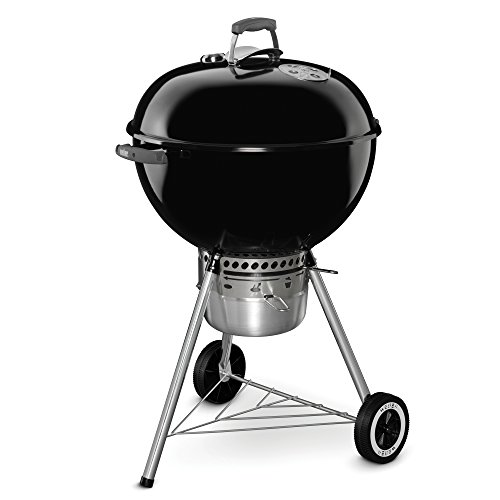
Weber Original Kettle 22-Inch Charcoal Grill
The gold standard for charcoal grills with proven durability and versatility
Replacement parts matter. Gas grills need burner replacements, ignitor replacements, and occasional regulator or hose swaps. Budget accordingly every few years depending on grill quality.
Charcoal grills have fewer parts to fail. A Weber kettle might need a new grate after 10 years of heavy use. That’s it.
Startup Speed and Shutdown
Gas is ready in 10 minutes, lid closed, burners on high to preheat the grates. Charcoal takes 20-30 minutes minimum from lighting the chimney to cooking. You can’t shortcut this.
Coals need to fully ignite and ash over or they’ll produce acrid smoke.
Shutdown is where charcoal loses time too. After cooking, you close the vents to extinguish the coals, which takes 30-60 minutes to cool enough to handle. Gas grills shut off instantly and cool faster because there’s no fuel still burning inside.
If you’re grilling on a lunch break, gas is the only realistic option. If you’re grilling as part of a weekend hangout where the fire itself is part of the experience, charcoal’s timing isn’t a drawback.
What You Can Cook

Both grills handle standard fare: burgers, steaks, chicken, vegetables, fish. Charcoal’s higher heat gives it an edge on anything that benefits from hard searing (thick steaks, lamb chops, bone-in pork chops).
Gas handles delicate items (fish fillets, thin vegetables) slightly better because the heat is more controlled and predictable.
Charcoal grills double as smokers. Set up a two-zone fire, add a drip pan under the meat on the cool side, toss wood chunks on the coals, and you’ve got a smoker capable of brisket, ribs, pulled pork.
Gas grills can smoke using a smoker box, but they’re less efficient at maintaining the 225-250°F range for hours. You’ll burn through propane and fight to keep temps stable. For dedicated smoking work like smoked salmon or smoked turkey breast, charcoal has a clear advantage.
For rotisserie cooking, gas grills with dedicated burners make setup easier. Charcoal kettles can run a rotisserie, but you’re managing coal placement and heat more actively.
Maintenance
Gas grills require more frequent maintenance. Burners clog with grease and carbon buildup. Spiders and insects nest in venturi tubes (the air/gas mixing tubes), blocking gas flow.
Flavorizer bars or heat tents corrode and need replacement. Grease traps fill and need emptying. Igniters fail and need replacing.
Expect to deep-clean a gas grill twice a season if you use it heavily: pull burners, scrub tubes, check for blockages, replace worn parts. Annual maintenance runs minimal if you DIY or more if you pay someone.
Charcoal grills need less. Dump the ash after every cook (or every few cooks if you’re using a kettle with a removable ash catcher). Brush the grate. Oil the grate occasionally to prevent rust.
That’s 90% of it. No burners to unclog, no ignitors to fail.
Rust is the enemy of both. Charcoal grills in humid climates or left uncovered will rust faster because ash absorbs moisture. Gas grills rust too, especially around burner mounts and control panels.
A cover and occasional wipedown keeps either type going longer.
Portability
Charcoal grills are more portable. Small kettles and portable charcoal grills weigh 15-30 pounds and require no external fuel connection. Pack one in a truck bed for tailgating, camping, or beach trips.
Gas grills are less portable unless you buy a dedicated portable model. Standard backyard gas grills are bulky, and the propane tank adds weight and awkwardness.
Portable gas grills exist (small single-burner models), but they sacrifice cooking area.
Who Should Buy Gas
Weeknight grillers who value speed and convenience. You want food on the table in 40 minutes, not 90.
Families who grill 3+ times per week and don’t want to deal with charcoal management. Cooks who primarily grill chicken, vegetables, and fish where smoke flavor is less critical.
Anyone with limited outdoor time who still wants the grill experience.
Gas also makes sense if you’re grilling year-round in cold climates. Charcoal is harder to light and maintain in freezing temps or wind. Gas ignites reliably in any weather.
Who Should Buy Charcoal
Weekend warriors who enjoy the ritual of managing a fire. Steak lovers who want maximum searing heat and char.
Anyone who plans to smoke meat regularly; charcoal grills double as capable smokers without needing a separate unit. Cooks who prioritize flavor above all else and don’t mind the extra time.
Charcoal also fits if you grill infrequently. No burners to corrode during months of disuse, no propane tank to refill. You can leave a charcoal grill unused for half a year and it’ll fire up the same as it did before.
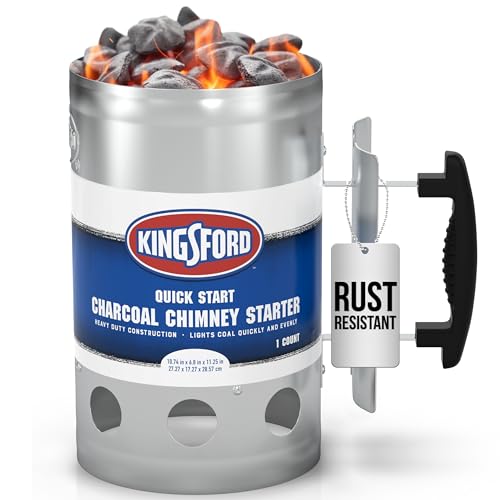
Charcoal Chimney Starter
Essential tool for fast, reliable charcoal lighting without lighter fluid
Common Mistakes
On gas grills, the biggest mistake is not preheating long enough. 10 minutes minimum with the lid closed. Underpreheated grates don’t sear properly and food sticks.
On charcoal, the biggest mistake is lighting too few coals. You need a full chimney for most cooks. Underfueling leads to weak heat that fades before you’re done cooking.
Also, trying to cook before the coals ash over. Black coals produce harsh smoke. Wait for the gray-white coating.
Another charcoal mistake: dumping hot ash into a trash can or plastic bag. Coals stay hot for hours. Let them cool completely in the grill with vents closed or transfer to a metal ash bucket.
For both grill types, not cleaning the grates regularly is a problem. Buildup leads to flare-ups, off-flavors, and stuck food. Brush the grates before and after every cook.
Hybrid Approach

Many serious grillers own both. Gas for quick weeknight meals like bison burgers, chicken breasts, vegetables. Charcoal for weekend projects like grilled venison backstrap, ribs, or homemade venison bratwurst.
If space and budget allow, this is the best of both worlds. You’re not locked into one method.
A typical setup: a three-burner gas grill and a 22-inch Weber kettle. That covers 95% of what most home cooks need.
For more versatile options, you might also consider a gas and charcoal combo grill that combines both fuel types in one unit.
Frequently Asked Questions
Can I Get Smoky Flavor on a Gas Grill?
Yes, using a smoker box or foil pouch filled with wood chips placed over a burner. The results are milder than charcoal but noticeably smokier than gas alone.
Soak the chips for 30 minutes before using, or use dry chips for faster ignition. Hickory and mesquite are strong; apple and cherry are mild.
You can also check out our guide on using wood pellets in a charcoal grill for extra smoke flavor.
Which Type of Grill Lasts Longer?
A quality charcoal grill like a Weber kettle can last 15 to 20+ years with minimal maintenance. The body is porcelain-coated steel and the design is simple.
Gas grills have more components that can fail: burners, igniters, regulators, hoses, control knobs. They typically last 8 to 15 years depending on quality and maintenance.
Premium stainless gas grills can outlast that if you replace parts as needed.
Do I Need a Chimney Starter for Charcoal?
Yes. Chimney starters are the fastest, most reliable way to light charcoal without lighter fluid. Fill the chimney with coals, stuff crumpled newspaper or a fire starter cube underneath, light it, and wait 15-20 minutes.
Lighter fluid works but can leave a chemical taste if you don’t let it burn off completely.


