
Crispy Smoked Chicken Wings on a Pellet Grill
Crispy smoked chicken wings on a pellet grill seem like a contradiction. Pellet grills run at lower temperatures that…

Crispy smoked chicken wings on a pellet grill seem like a contradiction. Pellet grills run at lower temperatures that produce amazing smoke flavor but leave the skin rubbery and chewy. The fix requires a two-step approach: dry the skin before cooking and finish at high heat to render the fat and crisp the surface.
The problem is physics. Chicken skin crisps when the fat beneath it renders out and the surface dehydrates and browns. That needs sustained heat above 375°F. Most pellet grills smoke best between 180°F and 275°F, which is perfect for brisket or pork shoulder but terrible for skin. The low heat steams the wings instead of crisping them, leaving you with great flavor wrapped in chewy, pale skin.
The two-step method solves this. You get the smoke flavor during a low-temperature phase, then blast the wings with high heat to finish the job. The baking powder dry brine sets up the skin for success by creating a surface that crisps faster and more thoroughly.
Disclosure: As an Amazon Associate, this site earns from qualifying purchases. Thank you!
The Baking Powder Dry Brine

This is the transformative step. Toss the wings in a mixture of 1 tablespoon baking powder and 1 teaspoon kosher salt per pound of wings. The baking powder raises the pH of the skin surface, which promotes faster browning and crispier results during cooking.
Use aluminum-free baking powder if you’re particular about it, but standard baking powder works fine. The aluminum in regular baking powder is measured in milligrams and doesn’t affect flavor at this ratio.
Spread the coated wings in a single layer on a wire rack set over a sheet pan. Refrigerate uncovered for at least 4 hours, overnight is better. The circulating fridge air dries the skin surface, which is essential for crispiness. Wet skin steams instead of crisps.
Don’t cover the wings. The whole point is to expose them to dry fridge air. A covered tray traps moisture and defeats the purpose. If your fridge is packed and airflow is limited, position the tray on a middle shelf away from walls and other containers. The better the airflow, the drier the skin, the crispier the result.
Pat the wings dry with paper towels before applying the baking powder mixture. Store-bought wings often sit in their own juices in the package. That surface moisture needs to go first, or the baking powder will clump instead of coating evenly.
The Smoke Phase

Set your pellet grill to 225°F to 250°F. Use a mild fruitwood like apple or cherry. Arrange the wings in a single layer with space between each piece for airflow. Smoke for 45 to 60 minutes. This phase builds the smoke flavor foundation.
Don’t skip this low-temperature phase. The smoke penetration happens primarily during the first hour, and the lower temperature allows more smoke absorption than high-heat cooking.
Target an internal temperature of 150°F to 160°F by the end of the smoke phase. The wings won’t be fully cooked yet. That’s intentional. You’re building a base of smoke flavor without overcooking the meat, which will finish during the crisp phase.
If your pellet grill has a smoke setting that runs below 200°F, use it for the first 30 minutes, then bump to 225°F to keep the cook moving. Extended time below 200°F produces heavy smoke flavor, which works on beef but can overpower chicken. Apple and cherry smoke at 225°F gives a cleaner result.
Resist the urge to open the lid frequently. Every time you crack the dome, you lose heat and smoke. Check the wings once at the 30-minute mark to make sure they’re spaced properly and rendering evenly, then leave them alone until the smoke phase is complete.
The Crisp Phase

After the smoke phase, crank the pellet grill to its maximum temperature (usually 400°F to 450°F). Continue cooking the wings at high heat for 20 to 30 minutes, flipping once halfway through. The high heat renders the subcutaneous fat and crisps the skin that was pre-treated with baking powder.
If your pellet grill doesn’t reach 400°F, finish the wings under the broiler in your oven for 3 to 5 minutes per side. Watch closely to prevent burning.
The internal temperature should hit 175°F to 180°F by the end of the crisp phase. Wings are safe at 165°F, but the extra 10 to 15 degrees fully renders the fat in the joints and gives you better texture. Dark meat handles higher temps without drying out. If you’re looking for similar techniques for other poultry, the same principles of achieving crispy skin on smoked turkey apply.
Flip the wings carefully. Use tongs and grip each piece at the joint or the thick part of the drum. If you grab the tip of a flat, the crispy skin can tear away from the meat and stick to the grill grate.
Some pellet grills have a sear box or direct-flame insert. If yours does, use it. Position the wings directly over the sear zone for the last 10 minutes of cooking. Rotate them every 2 to 3 minutes to prevent charring. The direct flame crisps the skin faster than ambient heat alone.

Pit Boss Pellet Grill
Reliable pellet grills that reach high temps for proper crisping
Sauce and Flavor Variations
Toss finished wings in sauce during the last 5 minutes of high-heat cooking for a sticky, caramelized coating. Classic buffalo (hot sauce and melted butter), honey garlic, teriyaki, and Alabama white sauce all work beautifully.
For dry-rub wings, apply a generous coating of wing seasoning after the baking powder brine and before smoking. The rub flavors intensify during the smoke phase. Using a quality spice rub can transform your wings from good to exceptional.
Sauce application matters. If you toss wings in sauce too early, the moisture from the sauce steams the skin and undoes the crispiness you just worked for. Add sauce during the final minutes of the crisp phase, then let the high heat tighten and caramelize the coating. The sugar in most sauces will burn if applied earlier.
For buffalo wings, use a 1:1 ratio of Frank’s RedHot to melted butter. That’s the classic Buffalo, New York formula. Adjust the ratio if you want more or less heat, but don’t skip the butter. It tempers the acid and helps the sauce cling to the skin.
Honey garlic sauce needs a touch of soy sauce and rice vinegar to cut the sweetness. A basic formula: 1/3 cup honey, 3 tablespoons soy sauce, 2 tablespoons rice vinegar, 4 cloves minced garlic, 1 teaspoon sesame oil. Simmer it for 5 minutes to thicken before tossing the wings.
Alabama white sauce is mayonnaise-based and works especially well with smoked wings because it complements the smoke flavor instead of covering it. Mix 1 cup mayonnaise, 1/4 cup apple cider vinegar, 2 tablespoons lemon juice, 1 tablespoon black pepper, 1 teaspoon cayenne, 1 teaspoon horseradish. Toss wings in the sauce off the grill, not on it, because the mayo will separate at high heat.
Dry rubs should be applied after the baking powder brine dries in the fridge. If you add rub before the overnight rest, the salt in the rub pulls moisture to the surface and interferes with the drying process. Apply rub right before the wings go on the smoker. Whether you’re working with wings, sausages, or other meats, proper seasoning timing is critical for developing flavor without compromising texture.
Wood Pellet Choice
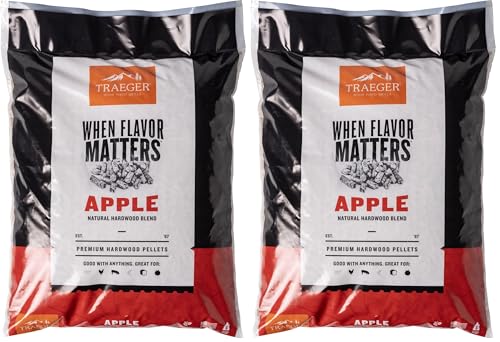
Apple and cherry are the best pellet choices for chicken wings. They produce a mild, sweet smoke that enhances the chicken without overpowering it. Hickory works if you prefer a stronger smoke profile, but use it sparingly because wings have a relatively short cook time and can pick up too much heavy smoke.
Pecan is a solid middle ground. It’s milder than hickory but stronger than fruitwoods, with a slightly nutty finish that works well with savory dry rubs.
Skip mesquite unless you’re after an aggressively smoky result. Mesquite produces a heavy, almost acrid smoke that can dominate chicken. It’s better suited to beef.
Oak is neutral and clean. If you’re doing a heavy dry rub or a bold sauce like jerk or Korean gochujang, oak smoke won’t compete with the seasoning. It’s the safest choice when you’re not sure what flavor profile you’re building.
Pellet blends (like apple-hickory or cherry-oak) work fine. The manufacturers design them to balance flavor, so you’re unlikely to end up with overpowering smoke. Stick with blends that list a fruitwood first if you want a milder result.
Don’t mix pellets mid-cook. Changing wood types halfway through doesn’t layer flavors the way you might expect. The earlier smoke is what penetrates the meat. The later smoke mostly hits the surface. Use one pellet type per cook for consistent results.
Temperature and Timing Adjustments
If you’re cooking more than 3 pounds of wings, add 10 to 15 minutes to the smoke phase. A crowded grill takes longer to circulate heat and smoke evenly. Don’t stack wings or let them touch. Overlapping pieces steam each other and won’t crisp properly.
If your pellet grill runs hot and consistently hits 475°F or higher, shorten the crisp phase to 15 to 20 minutes. Check the wings at 15 minutes. If the skin is golden and the fat has rendered, they’re done. Higher heat means faster crisping but also faster burning if you’re not watching.
If your grill runs cool and maxes out at 375°F, extend the crisp phase to 35 to 40 minutes. You’ll still get crispy skin, it’ll just take longer. Flip the wings every 10 minutes to ensure even browning.
Cold weather affects pellet grills. If the ambient temperature is below 40°F, the grill will struggle to maintain high heat. Insulate the lid with a welding blanket or thermal blanket designed for smokers, or accept that the crisp phase will take an extra 10 minutes. Some cooks move the wings to a gas grill or oven broiler for the crisp phase when it’s cold outside.
Common Mistakes
Skipping the overnight rest is the most frequent mistake. A 1-hour brine doesn’t dry the skin enough. You’ll get mediocre crispiness at best. Plan ahead and give the wings the full overnight treatment in the f


