
3-2-1 Method for Perfect Smoked Ribs Every Time
The 3-2-1 method is the most reliable way to produce fall-off-the-bone smoked ribs at home. It breaks the cook…

The 3-2-1 method is the most reliable way to produce fall-off-the-bone smoked ribs at home. It breaks the cook into three phases, each with a specific purpose, and takes the guesswork out of knowing when the ribs are done. If you can maintain a consistent smoker temperature, you can make competition-quality ribs.
Disclosure: As an Amazon Associate, this site earns from qualifying purchases. Thank you!
What 3-2-1 Means
Three hours of smoking unwrapped. Two hours wrapped in foil. One hour unwrapped with sauce. Total cook time: approximately 6 hours at 225°F. This timing works perfectly for St. Louis-style spare ribs. Baby backs cook faster and benefit from a 2-2-1 schedule instead.
The method’s power is in its precision. Each phase targets a specific outcome: smoke absorption, connective tissue breakdown, and bark development. You’re not guessing. You’re following a tested sequence that produces consistent results every time.
Why This Method Works
Spare ribs contain more connective tissue than most cuts. That tissue needs time and controlled heat to break down into gelatin. Rush it and the ribs stay tough. Overcook them and they fall apart before you can plate them.
The 3-2-1 method balances smoke exposure with moisture control. The first three hours build flavor and bark without drying out the meat. The wrapped phase steams the ribs in their own juices, softening the tissue while keeping the surface intact. The final hour sets the sauce and firms up the exterior so you don’t serve wet, limp ribs.
Choosing Your Ribs
St. Louis-style spare ribs are the standard cut for this method. They’re trimmed to a rectangular shape, with the breastbone and rib tips removed. Each rack weighs 2.5 to 3 pounds and runs about 12 inches long. The meat is well-marbled, which keeps it moist through a long cook.
Baby back ribs come from higher on the hog, closer to the loin. They’re shorter, leaner, and more expensive per pound. A full rack of baby backs weighs 1.5 to 2 pounds. Because they’re leaner, they cook faster and dry out more easily. Stick with 2-2-1 for baby backs or they’ll overcook.
Avoid pre-seasoned or enhanced ribs. Some grocery stores inject ribs with a salt and phosphate solution. It throws off your rub balance and adds water you don’t need. Check the label. If it says “enhanced” or lists ingredients beyond pork, pass.
Prep: Remove the Membrane

Flip the ribs bone-side up. Slide a butter knife under the thin membrane at one end of the rack. Grip the loosened membrane with a paper towel and peel it off in one sheet. Removing the membrane allows smoke and rub to penetrate the bone side of the ribs.
The membrane is slippery. If you can’t get a good grip with your fingers, use a paper towel to increase friction. Sometimes the membrane tears partway through. Just start again at the tear and peel off the remaining section.
Some cooks skip this step. Don’t. The membrane shrinks when it cooks, making the ribs curl and pulling the meat away from the bone. It also blocks smoke and seasoning from reaching the meat underneath. Spending two minutes removing it improves the final product.
The Rub
Apply a generous layer of rib rub to both sides of the rack. A classic rib rub includes brown sugar, paprika, garlic powder, onion powder, black pepper, salt, chili powder, and a pinch of cayenne. Apply the rub the night before for the deepest flavor.
Use enough rub to coat the surface completely. You should see rub in every crevice, not just the flat sections. Press it into the meat lightly so it adheres. Don’t go so heavy that clumps fall off, but don’t go light either. The rub creates the bark, and a thin layer produces a thin bark.
Brown sugar helps with caramelization during the final sauce phase. If you want a darker bark, add more paprika or use smoked paprika. If you prefer less heat, cut the cayenne entirely or drop it to 1/4 teaspoon per batch.
Refrigerate the rubbed ribs uncovered overnight if you have time. The salt in the rub pulls moisture to the surface, which then evaporates. This dries the exterior slightly, which produces better bark formation when the ribs hit the smoke.
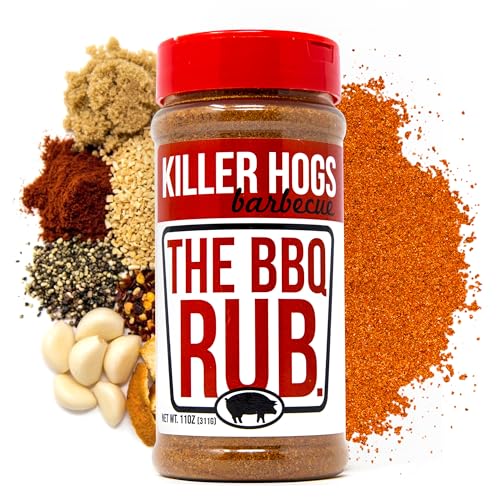
BBQ Rib Rub Seasoning
A well-balanced blend will save you time and produce consistent results every time you smoke ribs
Setting Up the Smoker
Target temperature: 225°F. Use a digital thermometer at grate level, not the built-in gauge on your smoker lid. Lid gauges run 25 to 50 degrees high on most units.
For fuel, lump charcoal burns cleaner than briquettes and produces less ash. If you’re using a pellet smoker, any hardwood pellet works. For stick burners, split your wood into fist-sized chunks. Smaller pieces burn too fast. Bigger pieces smolder without producing clean smoke.
Fill your water pan if your smoker has one. The water stabilizes temperature and adds humidity, which helps the ribs stay moist during the first phase. Refill it halfway through if it runs dry.

Digital Meat Thermometer
Accurate temperature monitoring is critical for the 3-2-1 method. A reliable probe thermometer takes the guesswork out of the process
Phase 1: Smoke (3 Hours)

Place the ribs bone-side down on the smoker at 225°F. Use hickory, cherry, apple, or a blend. Close the lid and leave them alone for 3 hours. The smoke penetrates the meat during this phase, building the flavorful bark on the exterior. Resist the urge to open the lid and check.
Hickory is the classic choice. It’s strong without being harsh, and it pairs well with pork. Cherry adds a mild sweetness and a deep red color to the bark. Apple is lighter and fruity, good if you’re cooking for people who don’t like heavy smoke. Pecan sits between hickory and apple in intensity.
Don’t mix more than two wood types unless you know what you’re doing. Too many flavors compete and muddy the taste.
During this phase, a thin blue smoke should come from your exhaust. Thick white smoke means your fire isn’t burning clean. It deposits bitter creosote on the meat. If you see white smoke, adjust your airflow to get more oxygen to the coals. These same principles apply when you’re smoking sausages, where clean smoke is equally important for achieving the best flavor.
After 3 hours, the ribs will have developed a dark reddish-brown color on the outside. The meat will have pulled back from the bone ends by about 1/4 inch. This pullback is normal. It’s the connective tissue starting to shrink, not a sign of overcooking.
Phase 2: Wrap (2 Hours)
Lay out a large sheet of heavy-duty aluminum foil (or butcher paper). Place the ribs meat-side down on the foil. Add a splash of liquid (apple juice, apple cider vinegar, or beer) and a few pats of butter. Wrap tightly, creating a sealed packet.
Use two layers of foil if your foil is thin. A tear during the wrap phase lets steam escape and defeats the purpose. Fold the edges over twice to seal them. You want an airtight seal, not a loose tent.
Apple juice is the most common liquid. It adds mild sweetness without changing the flavor profile. Apple cider vinegar cuts through the richness of the pork and adds a slight tang. Beer works if you want a deeper, malty note. Use only 2 to 3 tablespoons of liquid, not a full pour. Too much liquid boils the ribs instead of steaming them.
Butter adds fat that bastes the ribs as it melts. Two tablespoons is enough. Unsalted butter is best so you control the salt level separately through your rub.
Return to the smoker at 225°F for 2 hours. The sealed environment steams the ribs, breaking down the remaining connective tissue and making the meat extremely tender. This is where the ribs go from firm to falling-off-the-bone.
You won’t get additional smoke flavor during this phase. The foil blocks it. But you already built the smoke ring and bark in phase one. Phase two is about texture, not flavor.
Phase 3: Sauce (1 Hour)
Unwrap the ribs carefully (the steam is hot). Place them back on the smoker bone-side down. Brush your favorite barbecue sauce on the meat side. Smoke for 1 more hour at 225°F, adding another coat of sauce after 30 minutes.
The sauce caramelizes and sets during this final hour, creating a sticky, glossy exterior. If you prefer dry ribs, skip the sauce and let the bark firm up during this phase.
Thin your sauce slightly if it’s very thick. Mix in a tablespoon of the liquid from the foil wrap or a splash of apple juice. Thick sauce can burn before it sets, leaving a bitter taste.
Apply the first coat lightly. You want a thin layer that adheres to the bark, not a heavy coat that slides off. The second coat can be heavier since the first coat acts as a base. If you’re looking to perfect your glaze technique for other smoked meats, the principles of creating a flavorful glaze on smoked ham use similar timing and application methods.
If you’re using a tomato-based sauce, watch for scorching during the last 30 minutes. Tomato sugars burn faster than other sugars. If you see black spots forming, tent the ribs loosely with foil for the final 15 minutes or drop the temperature to 200°F.
How to Tell When Ribs Are Done

The bend test: pick up the rack from the middle with tongs. If the rack bends easily and the surface cracks slightly, they’re done. The toothpick test: slide a toothpick between two bones. If it goes in with no resistance, the meat is tender throughout.
Internal temperature isn’t a reliable indicator for ribs. Different racks finish at different temps depending on fat content and connective tissue. Some are perfect at 195°F, others at 205°F. Texture tests are more accurate than a thermometer reading.
If the ribs pass the bend test but the meat is still pulling away from the bone too much when you bite, they’re overcooked. You can’t fix it at that point, but you’ll know to pull them earlier next time. If the meat doesn’t pull cleanly from the bone, they need more time. Wrap them again and give them another 30 minutes.
Adjusting for Baby Back Ribs
Baby backs are smaller and leaner, so the full 3-2-1 can overcook them into mush. Use 2-2-1 instead:


