
Tri-Tip Steak Guide: Price, Cut Quality & Santa Maria Cooking
Tri-tip is one of the best-kept secrets in the beef world, at least outside of California. On the West…

Tri-tip is one of the best-kept secrets in the beef world, at least outside of California. On the West Coast, it’s a backyard staple with a cult following. Everywhere else, it’s often overlooked in favor of ribeye and strip steak. That’s a mistake, because tri-tip delivers exceptional flavor and tenderness at a price point that makes steak night affordable.
Walk into a butcher shop in Santa Barbara and you’ll find tri-tip front and center. Drive to Kansas City and the butcher might not even know what you’re asking for. The disparity isn’t about quality. It’s about tradition and regional meat-cutting practices that have kept this cut hidden in plain sight.
Disclosure: As an Amazon Associate, this site earns from qualifying purchases. Thank you!
What Is Tri-Tip?

Tri-tip is a triangular muscle from the bottom sirloin, weighing 2 to 3 pounds per roast. Each cow produces only two tri-tips, which limits supply but keeps demand (and prices) lower than comparable cuts. The name comes from its distinctive triangular shape.
It’s well-marbled for a sirloin cut, with a beefy flavor that’s richer than top sirloin and more accessible than the ultra-rich ribeye. The texture falls between tender and firm, giving it a satisfying bite without chewiness.
The cut sits at the bottom of the sirloin primal, near the round. It’s a muscle that gets moderate use, which means it develops flavor without becoming tough like true working muscles. The marbling pattern runs in visible streaks rather than the fine webbing you see in ribeye, giving each slice a distinct beefy character.
A typical untrimmed tri-tip carries a fat cap on one side, usually about a quarter-inch thick. Some butchers trim it completely, which is a mistake. That fat cap bastes the meat during cooking and adds flavor. Trim it down to an eighth of an inch if you prefer, but don’t remove it entirely.
Price Comparison: Tri-Tip vs Other Cuts
At most retailers, tri-tip runs competitively priced to competitively priced per pound for Choice grade. Prime tri-tip pushes competitively priced to competitively priced per pound. Compare that to ribeye competitively priced to competitively priced per pound or strip steak competitively priced to competitively priced, and the value becomes clear.
You’re getting a 2.5-pound roast competitively priced to competitively priced that feeds four to six people. A comparable amount of ribeye would competitively priced to competitively priced. The flavor difference doesn’t justify double the price, especially when tri-tip is cooked correctly.
Costco typically offers the best value, often pricing Choice tri-tip competitively priced to competitively priced per pound. Sam’s Club runs similar pricing. Both warehouse clubs sell whole, untrimmed roasts rather than pre-cut steaks, which means you control the portioning and slicing.
Local butcher shops usually charge more per pound but often carry better marbling and dry-aged options. If you’re near a shop that sources from local ranchers, the extra competitively priced to competitively priced per pound can be worth it for the quality bump. For those looking to maximize value without sacrificing quality, tri-tip ranks among the best cheap cuts of beef available at most butcher counters.
Santa Maria Style

The classic Santa Maria-style preparation is simple: season the tri-tip generously with salt, pepper, garlic powder, and a touch of Santa Maria seasoning, then grill over red oak coals. The simplicity lets the beef flavor shine.
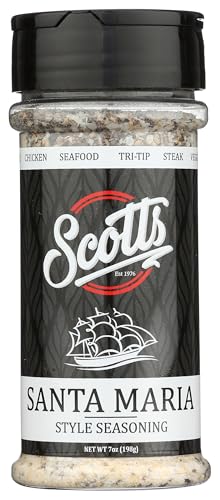
Santa Maria Seasoning
Traditional California-style seasoning blend specifically formulated for tri-tip, featuring garlic, pepper, and herbs without overpowering the beef
Red oak is traditional because of its mild smoke profile. It doesn’t overpower the beef the way mesquite or hickory can. If you can’t source red oak, regular oak or even a hardwood lump charcoal works fine.
The seasoning is minimal by design. Too many spices and you’re masking the natural beefiness that makes tri-tip worth eating. Salt pulls moisture to the surface, creating a better crust. Black pepper adds bite. Garlic powder brings subtle depth without the risk of burnt fresh garlic.
Let the seasoned tri-tip sit at room temperature for 30 to 45 minutes before cooking. This ensures even cooking from edge to center and helps the crust develop faster.
How to Cook Tri-Tip
Grill
Sear both sides over direct high heat for 5 to 6 minutes per side, then move to indirect heat and close the lid. Cook until 125-130°F internal for medium-rare (total time: 25 to 35 minutes). Rest for 10 minutes before slicing.
Set up a two-zone fire with all the coals banked to one side. On a gas grill, light only half the burners. The goal is a hot searing zone and a cooler finishing zone.
Oil the grates before placing the tri-tip fat-cap-side down first. The fat renders slightly and helps prevent sticking. After searing both sides, flip the roast fat-cap up so it continues basting the meat as it finishes on indirect heat.
Don’t open the lid every five minutes to check. Each peek drops the temperature and extends cooking time. Use an instant-read thermometer inserted into the thickest part of the roast to check doneness. The two-zone grilling method works well for other tougher cuts too—grilling top round steak successfully requires similar indirect heat techniques to achieve tenderness.
Reverse Sear
Place in a 250°F oven until internal temp reaches 115°F (about 30 to 40 minutes). Remove and sear in a screaming hot cast iron skillet or over direct grill heat for 60 to 90 seconds per side. Rest 10 minutes.
The reverse sear produces the most even edge-to-edge doneness. Slow-cooking first gently brings the meat to temperature without creating a gray band of overcooked meat around the edges. The final sear develops the crust without pushing the interior past medium-rare.
Set the tri-tip on a wire rack over a sheet pan in the oven. This allows air circulation on all sides. Pat the surface dry before searing to help the Maillard reaction develop faster.
Add a neutral oil to the cast iron skillet and heat until it’s just starting to smoke. Lay the tri-tip in carefully (away from you to avoid splatter) and press down slightly with tongs to maximize surface contact. You want a dark brown crust, not black char.
Smoke
Smoke at 225°F with oak or cherry wood until 125°F internal (about 1.5 to 2 hours). Sear over direct heat to finish. Smoked tri-tip has an incredible bark-to-meat ratio because of the cut’s relatively thin profile.
Cherry wood adds a subtle sweetness that complements beef without the heavy smoke flavor of mesquite. Pecan and apple also work well. Avoid strong woods like hickory unless you want a more assertive smoke presence.
Place the tri-tip fat-cap up on the smoker grate. The fat renders slowly and keeps the meat moist during the long cook. No need to flip it halfway through.
After pulling from the smoker, sear it over high direct heat for 60 to 90 seconds per side. This step isn’t optional. The sear adds textural contrast and locks in the smoky flavor. You can apply similar smoking principles when preparing other meats, like beef for stews, though the timing will differ.
The Two-Grain Slicing Trick

Tri-tip has a unique characteristic: the grain runs in two different directions. The thicker end has grain running one way, and the thinner end runs a different way. To slice against the grain on both sections, you need to identify the grain direction on each end and adjust your knife angle accordingly.
The simplest approach: cut the tri-tip in half at the point where the grain shifts direction (roughly the middle), then slice each half against its respective grain. This ensures every slice is tender.
Look at the surface of the cooked tri-tip. You’ll see parallel lines running through the meat. That’s the grain. On one half, the lines might run from top to bottom. On the other half, they run at an angle. Your knife should cut perpendicular to those lines.
Use a sharp slicing knife, not a serrated blade. Serrated knives tear the fibers instead of cleanly cutting them. Aim for slices about a quarter-inch thick. Thinner slices look elegant but dry out faster. Thicker slices are harder to chew.
Why It’s Such Good Value
Tri-tip is priced well below ribeye and strip, often comparable to top sirloin. But the eating experience is closer to strip steak than sirloin. The marbling, the beefy flavor, and the versatile cooking options make it one of the best dollar-for-dollar steaks available.
Part of the value comes from the single large roast format. You’re not paying for butcher labor to cut individual steaks. You’re buying the whole muscle, which keeps the per-pound price lower.
Another factor is the lack of nationwide demand. Ribeye and strip steak command premium prices because everyone wants them. Tri-tip stays affordable because most of the country doesn’t know to ask for it. That’s starting to change as more people discover the cut, but for now, the pricing remains accessible.
The yield is also favorable. A 2.5-pound tri-tip loses minimal weight during cooking compared to fattier cuts. You’re getting closer to 2 pounds of cooked meat, which translates to more servings per dollar spent.
Where to Buy Tri-Tip
Costco carries whole tri-tips at competitive per-pound prices. Ask at the butcher counter if they’re not in the display case; many locations carry them but don’t always have them visible.
Sam’s Club stocks them regularly in the refrigerated meat section, usually near the other whole roasts. Both warehouse clubs sell Choice grade as standard, with occasional Prime options.
Whole Foods and other upscale grocers carry tri-tip but at higher prices. You’re paying for the convenience of smaller-format packages and the organic or grass-fed premium. If you’re buying grass-fed beef anyway, the extra cost makes sense. Otherwise, stick with the warehouse clubs.
Local butcher shops can order tri-tip even if they don’t stock it. Call ahead and ask them to reserve one for you. Many butchers appreciate customers who request specific cuts because it shows you know what you’re looking for.
Online retailers like Snake River Farms and Crowd Cow ship high-quality tri-tip nationwide. Expect to pay premium prices for American Wagyu or Prime dry-aged options. The shipping cost adds to the total, but the quality is consistently excellent if you’re treating yourself.
Tri-Tip Variations and Related Cuts
The bottom sirloin produces a few other cuts worth knowing. Ball tip steak comes from the same primal and shares some characteristics with tri-tip, though it’s typically less tender. Some cuts benefit from marinating or braising to maximize tenderness.
Sirloin tip (despite the name) comes from the round, not the sirloin. It’s leaner and firmer than tri-tip. Treating sirloin tip like tri-tip will lead to disappointment. It benefits from slower cooking methods or thin slicing for stir-fries.
Top sirloin sits above the tri-tip in the same primal. It’s leaner with less marbling, making it less forgiving to cook. Tri-tip beats top sirloin in flavor and juiciness for most preparations.
Common Mistakes and How to Avoid Them
Overcooking is the most frequent error. Tri-tip is best at medium-rare. Push it to medium-well and you’ve got a dry, chewy roast that doesn’t represent what the cut can be. Use a thermometer and pull it at 125-130°F.
Skipping the rest period is another mistake. Resting allows juices to redistribute. Cut into a tri-tip straight off the grill and those juices


