
Why Chicken Breast Prices Fluctuate Throughout the Year
Chicken breast prices can swing noticeably from month to month, and the per-pound difference between peak and trough pricing…

Chicken breast prices can swing noticeably from month to month, and the per-pound difference between peak and trough pricing often surprises shoppers who think of chicken as a stable, affordable protein. A pack that competitively priced per pound one week might hit competitively priced the next, with no obvious reason at the shelf. Several factors drive these fluctuations, and understanding them helps you time your purchases and avoid paying peak prices for the same product.
Disclosure: As an Amazon Associate, this site earns from qualifying purchases. Thank you!
Demand Shifts and Substitution Effects
When beef prices spike, millions of consumers switch to chicken, particularly boneless skinless breast, which is the default “healthy protein” for most American households. This surge in demand pushes chicken breast prices upward, sometimes within weeks of a beef price increase. The substitution effect is measurable: when ground beef climbs above competitively priced per pound, chicken breast sales jump by double digits as shoppers shift their weekly meal plans.
January also brings a demand spike as consumers start New Year’s diet resolutions. Lean chicken breast is the go-to protein for every diet plan, and the seasonal demand boost pushes prices higher through February before settling back down in spring. Grocery stores know this pattern and rarely run deep sales on chicken breast during January. You’ll see promotional pricing on salmon and pork instead, because chicken moves at full price during the resolution rush.
Restaurant demand also affects retail pricing. When restaurant traffic increases, chicken breast supply tightens for grocery stores. The breast is the most valuable part of the chicken, and restaurants pay premium prices for consistent sizing and quality. During strong economic periods when dining out increases, retail chicken breast prices often tick upward as processors prioritize their foodservice contracts.
Seasonal Production Cycles

Poultry producers adjust flock sizes based on projected demand. Summer grilling season and the post-New Year health kick create predictable demand peaks. Producers ramp up hatching 6 to 8 weeks before these peaks, but the lag means supply doesn’t always match demand perfectly. A producer increasing flock size in April will see those birds reach market weight in late May or early June, ideally timed for Memorial Day grilling demand.
Hot weather reduces chicken growth rates because birds eat less in heat, which can tighten supply during summer months even as grilling demand increases. Chickens raised in July and August grow slower than spring birds, and this natural slowdown cuts into expected yields. Producers combat this with barn climate control, but it adds cost and doesn’t fully offset the heat impact in extreme summers.
Cold snaps in major production regions also disrupt supply. A week of unusually cold weather increases heating costs and can temporarily slow bird processing, creating short-term supply gaps that push prices up for several weeks.
Feed Cost Impacts

Chickens are primarily fed corn and soybean meal. When these commodity prices rise due to drought, ethanol mandates, or global demand, production costs increase and retail prices follow. Feed represents roughly 70% of the total cost of raising a chicken, making it the dominant cost driver. A competitively priced per bushel increase in corn adds roughly 8 to 10 cents per pound to the cost of producing chicken.
Soybean meal is even more volatile. It provides the protein component of chicken feed, and price swings can be dramatic when South American soybean harvests fail or when China adjusts its import volumes. Unlike corn, there’s no good substitute for soybean meal in poultry feed, which means producers absorb the full impact of price increases.
Ethanol policy creates an indirect floor under corn prices. When crude oil prices rise, ethanol becomes more economically attractive, which increases demand for corn and lifts prices. This pulls more corn into fuel production and less into feed, tightening supply for poultry producers. The relationship isn’t always linear, but sustained high oil prices reliably push chicken prices upward within a few months.
Disease and Supply Disruptions
Avian influenza outbreaks can disrupt supply quickly. Even localized outbreaks that affect a small percentage of the national flock cause market anxiety and temporary price spikes. The poultry industry has gotten better at containment, but each outbreak still ripples through pricing for several weeks. A single large commercial operation going into quarantine can remove millions of birds from the supply chain overnight.
Outbreaks in egg-laying facilities also affect chicken breast prices indirectly. When egg supply tightens and prices spike, consumers shift some protein consumption toward chicken breast, increasing demand and pushing up prices even though broiler flocks (raised for meat) are unaffected by the egg-farm outbreak.
Processing plant disruptions add volatility. A fire, equipment failure, or temporary shutdown at a major processing facility removes processing capacity for weeks. Birds ready for market can’t wait, so they’re routed to other facilities, creating bottlenecks and short-term supply crunches. These events are unpredictable but happen several times per year somewhere in the supply chain.
Regional Price Variation
Chicken breast prices vary significantly by region. Markets closer to major production areas (Arkansas, Georgia, Alabama, North Carolina) tend to see lower baseline prices and smaller fluctuations because transportation costs are minimal. West Coast markets pay a premium due to shipping distance, and prices swing wider because distribution is more complex.
Costco and Sam’s Club smooth out some regional variation because they negotiate national contracts and distribute from regional warehouses, but you’ll still see 30 to 50 cents per pound difference between a Costco in Arkansas and one in California for the same product.
Local competition also affects pricing stability. Markets with multiple discount grocers (Aldi, Lidl, Walmart, WinCo) see more frequent chicken breast sales and smaller peak-to-trough swings because stores use chicken as a traffic driver. In areas with limited competition, expect higher baseline prices and less frequent promotional pricing. Understanding how Walmart and Aldi compare on meat prices can help you identify which retailer offers better value in your area.
How to Shop Around Price Fluctuations

Track chicken breast prices at your regular store for a month. You’ll quickly notice the range between sale and regular pricing. Stock up during sales and freeze the surplus. Most stores cycle chicken breast sales every 4 to 6 weeks, and the per-pound savings during a good sale typically hit competitively priced to competitively priced compared to regular price.
Buy bone-in breast during high-price periods and debone it yourself for significant per-pound savings. Bone-in split chicken breast often runs competitively priced to competitively priced less per pound than boneless skinless. Deboning takes about 30 seconds per breast once you’ve done it a few times, and you keep the bones for stock. A 10-pound family pack of bone-in breast yields roughly 6 to 6.5 pounds of boneless meat after trimming, which still beats boneless pricing during peak periods.
Chicken thighs are a smart alternative when breast prices are elevated. They provide comparable protein per serving, stay juicier during cooking, and almost always cost less than breast regardless of market conditions. Boneless skinless thighs typically run competitively priced to competitively priced less per pound than boneless breast, and they handle high-heat cooking better without drying out.
Watch for manager’s specials on chicken breast approaching its sell-by date. These markdowns can hit 30% to 50% off, and the chicken is perfectly fine if you cook or freeze it the same day. Most stores mark down meat in the morning, so shop early for the best selection. There are several effective strategies to save money on meat purchases beyond just timing your shopping trips.
Store-Specific Pricing Patterns
Costco’s chicken breast pricing is remarkably stable compared to traditional grocery stores. The warehouse model and bulk purchasing smooth out short-term fluctuations. Expect to pay competitively priced to competitively priced per pound for fresh boneless skinless breast in the 6- to 8-pound packs, with very little week-to-week movement. The frozen 6- to 7-pound bags run even cheaper, usually competitively priced to competitively priced per pound.

Frozen Chicken Breast Bulk
Buying bulk frozen chicken helps you stock up when prices are favorable and skip the high-price periods entirely
Walmart often has the lowest regular price on boneless skinless breast among traditional grocers, typically competitively priced to competitively priced per pound. Their Great Value brand frozen chicken breast in the 5-pound bags is consistently priced competitively priced to competitively priced per pound and provides good value when fresh prices spike. If you shop there regularly, knowing the best times to find Walmart meat deals can maximize your savings throughout the year.
Aldi runs aggressive chicken breast sales but has higher regular pricing than Walmart. During sales, Aldi’s boneless skinless breast can drop to competitively priced per pound, which is hard to beat. Regular price sits competitively priced to competitively priced. If you shop Aldi, buy in volume during sales and skip it otherwise.
Traditional grocery chains (Kroger, Safeway, Publix) use chicken breast as a loss leader during promotional weeks, sometimes pricing it below cost to drive traffic. These sales are worth catching, but regular pricing at these stores tends to run competitively priced to competitively priced per pound, significantly higher than discount competitors.
Frequently Asked Questions
When is chicken breast cheapest?
Late spring and early fall tend to see the lowest prices. Grilling holiday weekends (Memorial Day, July 4th, Labor Day) bring promotional pricing that can match annual lows. January through February is typically the most expensive period. The spring dip happens because winter flock increases hit market weight in April and May, increasing supply just as New Year’s diet demand fades.
Is frozen chicken breast cheaper than fresh?
Almost always. Frozen bags of individually wrapped chicken breasts cost less per pound than fresh, and the quality difference is negligible for most recipes. The savings are especially significant on large bags from Costco or Walmart. Frozen chicken is processed during periods of lower demand and held in inventory, which allows processors to smooth out pricing and offer retailers more stable costs.
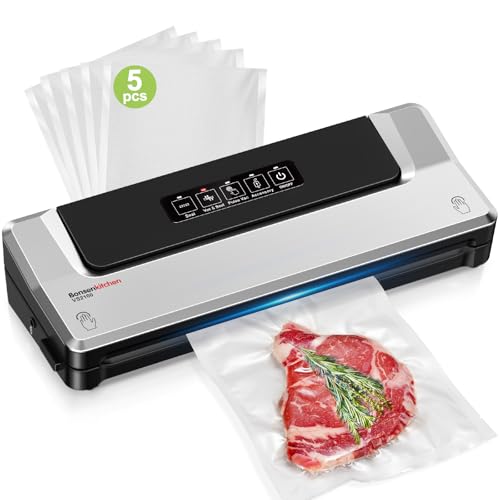
Vacuum Sealer for Meat
Properly sealing chicken before freezing extends quality up to 12 months and prevents freezer burn on your bulk purchases
Why is organic chicken breast so much more expensive?
Organic chickens require organic feed (which costs more), more space per bird, and no antibiotics. These production requirements add cost at every stage, resulting in retail prices that are roughly double conventional chicken breast. Organic feed costs 40% to 60% more than conventional, and organic chickens take longer to reach market weight because certain growth-promoting practices aren’t allowed. The space requirement alone increases the cost per bird by limiting how many can be raised in a given barn. Learning how to choose quality chicken at the store helps ensure you get good value whether you buy organic or conventional.
Does buying frozen chicken avoid price fluctuations?
Frozen chicken bags are priced more stably than fresh because they’re purchased and packaged in advance. When fresh chicken breast spikes in price, frozen bags at Costco and Walmart often lag behind, giving you a temporary window of better value. Maintaining a freezer stockpile of frozen chicken insulates your budget from the worst price swings.
Frozen IQF (individually quick-frozen) chicken breasts are also more convenient for single servings, since you can pull one or two pieces without thawing the entire bag. This reduces waste and gives you more flexibility in meal planning. IQF chicken thaws in cold water in about 30 minutes, making it practical for same-day meal decisions.


