
How to Save Money on Markdown Meat at the Grocery Store
Those yellow-sticker markdowns on meat approaching its sell-by date aren’t a sign of poor quality. They’re a calculated business…

Those yellow-sticker markdowns on meat approaching its sell-by date aren’t a sign of poor quality. They’re a calculated business decision by the store, and they represent one of the best savings opportunities for shoppers who know how to take advantage of them.
Disclosure: As an Amazon Associate, this site earns from qualifying purchases. Thank you!
Why Stores Discount Expiring Meat
Grocery stores would rather sell meat at a discount than throw it away and absorb the full loss. Every package of unsold meat is money lost on purchasing, refrigeration, labor, and packaging. A 30% to 50% discount recovers most of the store’s cost, which beats a 100% write-off.
The economics are simple. A ribeye the store paid competitively priced for and marked up to competitively priced generates competitively priced in gross margin at full price. Markdown that same steak to competitively priced, and the store still nets competitively priced. Throw it away, and they’re out the full competitively priced cost plus handling expenses. The math favors discounting every time.
Stores track sell-by dates electronically and flag items for markdown 1 to 2 days before expiration. Staff applies clearance stickers during morning rotation, which is why early shoppers get the best selection. By afternoon, the best cuts are gone. By evening, what’s left are the packages shoppers passed over or cuts that don’t move as fast.
Large chains use automated systems that print markdown tags overnight and alert staff to which items need clearing. Smaller independents rely on manual checks by the meat manager during morning walk-throughs. Either way, timing matters. Show up at 7 AM and you’ll see full racks of marked-down ribeyes, tri-tips, and whole chickens. Arrive at 2 PM and you’re picking through ground turkey and pork chops.
Is Markdown Meat Safe?

Absolutely. The sell-by date is a quality guideline for the store, not a safety cutoff for consumers. Meat on its sell-by date still has 1 to 2 days of safe refrigerator life (for ground meat) or 3 to 5 days (for whole cuts) when stored at 40°F or below.
The key is to either cook the meat that day or freeze it immediately. Freezing stops the clock entirely. A marked-down steak frozen on its sell-by date is just as safe and flavorful as one frozen the day it was packaged.
Ground meat has a shorter window because surface bacteria get mixed throughout during grinding. A ribeye has bacteria only on the exterior, which gets killed during cooking. That’s why a rare steak is safe but rare ground beef isn’t. For markdown ground beef or ground pork, cook it within 24 hours or freeze it the same day you buy it.
Whole cuts, chops, steaks, and roasts hold up longer. A marked-down pork loin or beef roast can sit in your fridge for another 3 to 5 days if your refrigerator runs cold and the package stays sealed. Open the package, and you cut that window in half.
Poultry sits between ground meat and whole cuts. Chicken breasts or thighs on markdown are good for another 1 to 2 days refrigerated, but don’t push it past that. Poultry spoils faster than beef or pork because of higher moisture content and different bacterial profiles.
Typical Markdown Discounts
Most grocery stores discount meat by 30% to 50% when it approaches the sell-by date. Some stores are more aggressive, offering markdowns up to 75% on the final day. The discount varies by retailer, location, and how quickly the store needs to clear inventory.
Kroger, Publix, and Safeway tend to offer 30% to 50% markdowns. Independent grocers sometimes go deeper. Walmart’s markdowns are typically smaller (15% to 30%) because their everyday low pricing model already operates on thinner margins.
Costco rarely marks down meat. Their business model relies on high turnover and tight inventory management, so packages don’t sit long enough to need discounting. When Costco does mark down meat, it’s usually because a pallet didn’t move as expected, and the discount is modest. If you’re a regular Costco shopper, there are other ways to save money on meat there beyond waiting for markdowns.
Aldi and Lidl apply similar logic to Walmart. Low base prices mean smaller markdown percentages, but the absolute dollar savings can still add up. A package of chicken thighs marked down 20% saves you money, which matters when you’re buying in volume.
Whole Foods and other premium grocers sometimes discount aggressively on high-end cuts. A dry-aged ribeye marked down 50% on its sell-by date delivers the same eating experience as the full-price version. The store would rather recover half the cost than donate or compost an expensive cut.
Watch for patterns at your local store. Some chains markdown more aggressively on Mondays to clear weekend inventory. Others do it Thursdays before restocking for the weekend rush. Track it for a few weeks and you’ll spot the rhythm.
How to Build a System Around Markdowns

Visit your store early in the morning (6 to 10 AM) when markdowns are freshest. Check the meat section first and build your meal plan around whatever’s discounted. This approach requires flexibility, but the savings compound quickly.
Keep a small inventory of basics (rice, pasta, frozen vegetables, canned beans) at home so you can turn any marked-down protein into a complete meal without a second shopping trip. A marked-down pork tenderloin becomes a full dinner with a bag of frozen stir-fry vegetables and a box of rice. Total cost runs well below restaurant prices.
Freeze whatever you don’t cook that day. Label every package with the cut, weight, and date, and maintain a first-in, first-out rotation in your freezer. Use a vacuum sealer if you have one. It extends freezer life from 3 to 4 months (in standard zip-top bags) to 6 to 12 months (vacuum-sealed). Freezer burn won’t make meat unsafe, but it degrades texture and flavor.
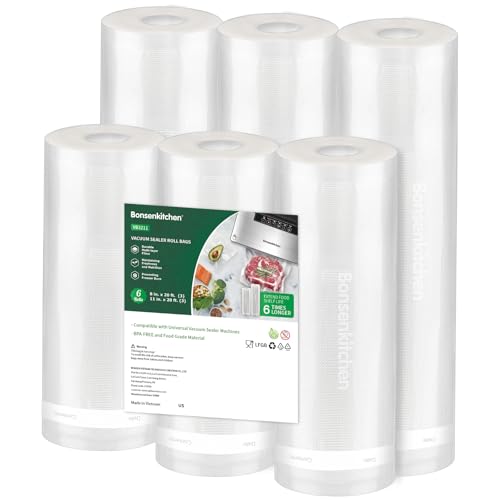
Vacuum Sealer Bags
Essential for long-term freezer storage of markdown meat, preventing freezer burn and extending shelf life
Don’t freeze meat in the store packaging unless you’ll use it within a month. Those foam trays and plastic wrap aren’t airtight. Rewrap in butcher paper, heavy-duty foil, or vacuum-seal bags before freezing for longer storage.
Markdown shopping works best when you’re cooking for a household, not just yourself. A family of four can stock a month’s worth of protein for half the normal cost by hitting markdowns twice a week and freezing strategically. A single person can do the same, but the freezer fills up faster and variety becomes harder to maintain.
Batch-cook markdown meat and freeze individual portions. A marked-down whole chicken roasted and portioned into meal-sized containers gives you ready-to-reheat protein for weeks. Same with a discounted pork shoulder slow-cooked and frozen in 1-pound bags. You save money and time.
What Cuts Show Up Most Often

Ground beef and ground turkey dominate the markdown bin because they’re high-volume items with short shelf lives. Stores order them in bulk, and not every package sells before the clock runs out. You’ll find 1-pound and 2-pound packs of 80/20 ground beef marked down almost daily at busy stores.
Chicken is the second most common markdown. Boneless skinless breasts, thighs, drumsticks, and whole birds all show up regularly. Chicken moves fast, but grocery stores stock it heavily, so some packages always hit the expiration window.
Pork chops, pork loin, and pork tenderloin appear less frequently but still make regular appearances. Pork doesn’t sell as fast as chicken or ground beef, so markdown inventory can be hit or miss depending on the week.
Steaks and roasts are the jackpot finds. A marked-down ribeye, New York strip, or sirloin at 50% off delivers restaurant-quality protein at ground beef prices. These cuts don’t appear daily because they sell faster at full price, but check consistently and you’ll score them.
Specialty cuts like lamb chops, bone-in ribeyes, tri-tip, and skirt steak show up occasionally. Stores stock these in smaller quantities, so when one doesn’t sell, it gets marked down hard. A rack of lamb at 60% off is an investment in a meal that would cost significantly more at a restaurant.
Avoid markdown seafood unless you’re cooking it immediately. Fish and shellfish spoil faster than meat, and the sell-by date leaves almost no margin. A marked-down salmon fillet needs to hit the pan or grill within hours, not days.
Common Mistakes to Avoid
Don’t buy markdown meat just because it’s cheap. If you won’t cook or freeze it within 24 hours, you’re wasting money. A steak that goes bad in your fridge is worse than no deal at all.
Don’t assume all markdowns are equal. Check the original price before getting excited about the percentage discount. A 50% markdown on an overpriced cut might still cost more than a full-price alternative at a different store.
Don’t skip the freshness check. Markdown meat should pass the same tests as full-price meat: bright color, firm texture, neutral smell. If it fails any of those, walk away. The discount isn’t worth the risk of food poisoning or a ruined meal.
Don’t freeze meat you’ve already cooked unless you planned for it. Cooked meat loses moisture and texture in the freezer faster than raw meat. If you’re cooking markdown meat the same day, cook only what you’ll eat within 3 to 4 days and freeze the rest raw.
Don’t overload your freezer with the same cut. Three marked-down whole chickens in one trip sounds smart until you’re eating roast chicken for a month straight. Variety keeps markdown shopping sustainable.
Frequently Asked Questions
How can I tell if marked-down meat is still good?
Use the same checks as any other meat: look for bright color (not gray or green), firm texture (not slimy), and neutral smell (not sour or ammonia-like). If it passes all three, it’s safe to cook or freeze.
Press the meat through the package. It should feel firm and spring back. If it feels mushy or leaves an indent, bacteria have started breaking down the protein. Gray or brown patches on beef aren’t necessarily bad, they’re just oxidation from air exposure, but widespread gray coloring signals the meat is past its prime. Chicken should be pink or white, never gray or yellow. Pork should be pink to light red, not gray or greenish.


