
Smoked Pork Belly Pinwheels for a Cheap Showstopper
Pork belly doesn’t get nearly enough credit at the backyard smoker. Most people associate it with thick-cut bacon or…

Pork belly doesn’t get nearly enough credit at the backyard smoker. Most people associate it with thick-cut bacon or the occasional bowl of ramen, but when you roll it, season it, tie it off, and slice it into pinwheels after a long smoke, it turns into something that looks like it came out of a restaurant kitchen. The best part is that pork belly is significantly cheaper than the premium cuts people usually reach for when they want to impress guests.
If you’ve been eyeing budget-friendly alternatives to expensive smoked cuts like brisket, pork belly is one of the best answers. It’s fatty enough to stay moist through a long cook, it takes smoke beautifully, and when you slice it into pinwheels, every single piece looks like it belongs on a platter at a fancy event. Let’s walk through how to do this right.
Disclosure: As an Amazon Associate, this site earns from qualifying purchases. Thank you!
Why Pork Belly Is the Secret Budget Cut for Showstopper Cooks

Pork belly has quietly become one of the better values at the butcher counter. It’s a fatty, boneless cut from the underside of the pig, and because it’s not as trendy at the retail level as ribs or tenderloin, you can usually pick it up without paying a premium. Check current pricing at your local store or warehouse club, and you’ll likely be pleasantly surprised compared to what you’d pay for something like a pork loin roast.
The fat-to-meat ratio is what makes it work so well on the smoker. The generous fat layers render down slowly, basting the meat from the inside. You get a crispy exterior, tender interior, and rich flavor without having to babysit the cook constantly. For a deeper look at how budget cuts can compete with expensive ones, the same principle applies across many underrated cuts that most shoppers overlook.
What You’ll Need Before You Start
Getting the pinwheel shape requires a bit of prep work, but nothing complicated. Here’s what to gather before you fire up the smoker.
- Pork belly slab, skin-off: Aim for a 3 to 4 pound piece. Skin-off is easier to roll and will still get a great bark on the outside.
- Dry rub: Brown sugar, smoked paprika, garlic powder, onion powder, kosher salt, black pepper, and a pinch of cayenne. Simple but effective.
- Filling (optional but recommended): Thin layer of yellow mustard as a binder, then your choice of filling. Roasted garlic, fresh herbs, or even a thin layer of your favorite BBQ sauce all work well.
- Butcher twine: You’ll need this to tie the roll at even intervals so it holds its shape during the cook.
- A good sharp knife: For slicing the pinwheels cleanly after the rest.
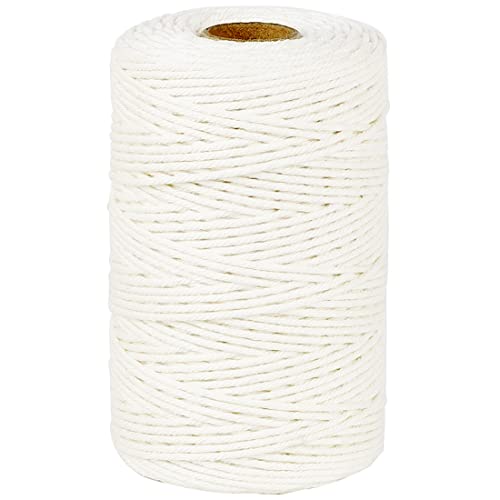
Butcher Twine
Food-safe, heat-resistant butcher twine is essential for keeping your pork belly roll tight and even throughout the entire smoke.
One thing worth picking up if you don’t already have it is a reliable instant-read meat thermometer. Pork belly is forgiving, but knowing your internal temp keeps you from pulling it too early or drying it out.
How to Prep the Pork Belly Roll

Flattening and Seasoning
Lay your pork belly skin-side down on a clean cutting board. If the slab is uneven in thickness, use a sharp knife to carefully even it out so it rolls consistently. Score the meat side lightly in a crosshatch pattern, which helps the seasoning penetrate and makes rolling a little easier.
Spread a thin layer of yellow mustard across the meat side. This acts as a binder for your dry rub and adds almost no flavor in the finished product, so don’t skip it thinking it’ll taste like a hot dog. Apply your dry rub evenly and press it in.
Adding a Filling
This is where you can really personalize the recipe. A smear of roasted garlic paste with fresh rosemary and thyme is a classic combination that works perfectly with pork. You could also use a thin layer of your favorite BBQ sauce, some caramelized onions, or a blend of herbs and cream cheese if you want something a little richer.
Keep the filling layer thin. Too much and it’ll squeeze out when you roll it, making it hard to tie and harder to slice later.
Rolling and Tying
Roll the pork belly tightly lengthwise, like a jelly roll, with the filling inside. Once it’s rolled, tie it with butcher twine at roughly one-inch intervals. Pull the twine snug but not so tight that it cuts into the meat. A tight, even roll means every pinwheel slice will be uniform once it’s cooked.
Coat the outside of the roll with another layer of dry rub. This is what builds the bark, so don’t be shy.
Setting Up Your Smoker for Pork Belly Pinwheels

Pork belly benefits from a low and slow approach. Set your smoker to around 250 degrees Fahrenheit. For wood choice, fruit woods like apple or cherry are ideal because they add a mild, slightly sweet smoke that complements the pork without overpowering it. Hickory works too if you want something bolder.
If you’re deciding between charcoal options for your setup, the debate between lump charcoal and briquettes is worth reading through. For a long smoke like this, many pitmasters prefer lump for the cleaner burn, but quality briquettes work just fine.

Apple Wood Smoking Chips
Apple wood chips deliver a mild, sweet smoke that pairs perfectly with the rich fat of pork belly without making it taste bitter.
Place the roll seam-side down on the smoker grate. Let it smoke at 250°F until the internal temperature reaches 195 to 200°F. This usually takes around 3 to 4 hours depending on the size of your roll, but use your thermometer rather than the clock as your guide.
The Rest and Slice

Once your pork belly roll hits the target temp, pull it off the smoker and tent it loosely with foil. Let it rest for at least 20 to 30 minutes. Resting is not optional here. The juices redistribute during this time, and if you cut into it too early, you’ll lose a lot of what makes the whole thing worthwhile.
After the rest, use a sharp slicing knife to cut the roll into pinwheels about an inch to an inch and a half thick. Remove the twine from each piece before serving. You’ll see the spiral pattern of meat and fat from the roll, with a dark bark on the outside and the filling visible in the center. It looks genuinely impressive on a board or platter.
These pinwheels are fantastic on a party spread alongside other cured and smoked items. If you’re putting together a bigger presentation, you can draw inspiration from charcuterie board ideas that work for any gathering to round out your display with cheeses, pickles, and accompaniments.

Wireless Meat Thermometer
A wireless thermometer lets you monitor the internal temp of your pork belly roll from a distance without lifting the smoker lid and losing heat.
Serving Suggestions
Smoked pork belly pinwheels are versatile. Serve them as a standalone appetizer with a dipping sauce on the side, whether that’s a vinegar-based BBQ sauce, a honey mustard, or a simple chimichurri. They also work as a main dish alongside smoked beans and coleslaw.
If you’re hosting a larger backyard cookout, these pair well with other budget-friendly options to fill out the spread. You might consider browsing summer grilling menu ideas to build a full lineup around your pinwheels without blowing the food budget.
Leftovers, if you have any, are excellent sliced thin and reheated in a cast iron skillet. The cut surfaces get a little caramelized and the fat crisps up again. Some people argue the leftovers are better than the original serve.
Tips for Getting It Right
- Don’t rush the roll. A loose roll falls apart when sliced. Take your time tying it evenly.
- Skin-off is easier for rolling, but if you can only find skin-on pork belly, score the skin deeply before rolling or remove it yourself with a sharp knife.
- Go easy on wet fillings. Anything too liquidy will steam the inside instead of developing the right texture. Keep it to a thin smear.
- Cold pork belly rolls better. If the slab is straight from the fridge, it’s firmer and easier to roll tightly. Avoid letting it come fully to room temperature before rolling.
- Use a serrated knife for slicing. It gives you cleaner cuts through the bark without tearing the pinwheel apart.
Frequently Asked Questions
Can I make pork belly pinwheels in the oven instead of a smoker?
Yes. Set your oven to 275°F and roast the roll on a wire rack over a sheet pan until the internal temp hits 195 to 200°F. You won’t get the smoke flavor, but you can add a small amount of smoked paprika or liquid smoke to the rub to approximate it. Finish under the broiler for two to three minutes to crisp the exterior.
How far in advance can I prep the roll before smoking?
You can roll, season, and tie the pork belly up to 24 hours in advance. Keep it wrapped tightly in plastic wrap in the refrigerator. This actually helps the rub penetrate deeper into the meat and makes your cook-day prep much faster.
What internal temperature should pork belly pinwheels reach?
Aim for 195 to 200°F internal temperature. This is higher than the food-safe threshold for pork, which is 145°F, but the extra heat is what breaks down the connective tissue and fully renders the fat. At 145°F, the texture is still a little chewy and the fat hasn’t fully softened. The higher target is what gives you that melt-in-your-mouth result.
Where should I buy pork belly to get the best value?
Warehouse stores like Costco often carry pork belly in larger slabs at a good per-pound rate. Asian grocery stores are another reliable source and often have it at a lower price than mainstream supermarkets. Your local butcher counter is also worth asking, since they may cut it fresh for you. For general strategies on buying meat economically, it helps to know how to work with your grocery store butcher to get the best options available.
This article contains affiliate links. We may earn a small commission at no extra cost to you.


