
Country-Style Ribs: The Cheap Cut That Isn’t Really a Rib
Walk past the pork section at any grocery store and you’ll probably spot a package labeled “country-style ribs” sitting…

Walk past the pork section at any grocery store and you’ll probably spot a package labeled “country-style ribs” sitting right next to the actual ribs. They look vaguely rib-like, they’re almost always the cheapest thing in the case, and most people either grab them without thinking or skip them entirely because they don’t really know what they’re getting. Either way, they’re worth understanding, because this cut punches well above its price tag when you cook it right.
Here’s the first thing to know: country-style ribs aren’t really ribs. They don’t come from the rib section of the pig at all. They’re a butcher’s creation, cut from either the shoulder end of the loin or, more commonly, the blade end of the pork shoulder. That distinction changes everything about how you should cook them.
Disclosure: As an Amazon Associate, this site earns from qualifying purchases. Thank you!
What Country-Style Ribs Actually Are

The name is a little misleading, and it’s been causing confusion for decades. True pork ribs, like baby backs or spare ribs, come from the rib cage. Country-style ribs come from two completely different places depending on what your store carries.
Shoulder-cut country-style ribs come from the blade end of the pork shoulder, near where the shoulder meets the loin. This version has darker, fattier meat with more connective tissue. You’ll sometimes see a small bone running through them. These are the ones that benefit most from low-and-slow cooking.
Loin-cut country-style ribs come from the blade end of the loin, which is leaner and lighter in color. They cook faster and work better on the grill or in the oven at higher heat. They can dry out if you push them too long, so pay attention.
The easiest way to tell them apart at the store: shoulder-cut ribs are darker pink and have obvious fat marbling. Loin-cut ribs are pale and lean. Both can be labeled “country-style ribs” with no further explanation, so you’re learning to read the meat, not the label.
Why They’re a Budget Workhorse

Country-style ribs are consistently one of the most affordable cuts in the pork section. Because they come from the shoulder or the fatty blade end of the loin, they’re not glamorous enough to command a premium price. That works in your favor.
The shoulder-cut version in particular carries the same kind of flavor and fat content that makes pulled pork so satisfying. If you’re looking to feed a crowd without spending much, this cut competes with other budget-friendly high-protein options that most people overlook. You get good yield, good flavor, and a forgiving texture once you understand the heat and time involved.
They also come boneless more often than not, which means less waste and easier eating. Bone-in country-style ribs exist and are worth grabbing when you find them, since the bone adds flavor during cooking, but boneless works fine for weeknight meals.
How to Cook Them Properly

The method depends on which type you have. Get this wrong and you’ll end up with either dry, chewy meat or a greasy mess.
Slow Cooker or Braised (Shoulder-Cut)
Shoulder-cut country-style ribs love moisture and low heat. They’re a natural for the slow cooker, braised in liquid in a Dutch oven, or cooked low in the oven covered with foil. Aim for an internal temp of 195-205°F if you want them to pull apart easily. At 165°F they’re technically done, but they won’t have that fall-apart texture most people are after.
A simple braise works great: sear them first in a hot pan with a little oil, then add aromatics, a splash of apple cider vinegar, and your choice of BBQ sauce, stock, or both. Cover and cook low for 2.5 to 3 hours.

BBQ Sauce Variety Pack
Having a few different BBQ sauces on hand lets you switch up the flavor profile without any extra effort.
You can also treat the shoulder-cut version almost like a mini pork shoulder and shred it. The results are practically identical to pulled pork, and you can serve it the same way. Check out these pulled pork serving ideas if you want some inspiration beyond the standard sandwich.
Grill or Oven (Loin-Cut)
Loin-cut country-style ribs do better with faster, higher heat. On the grill, cook them over medium heat, around 375-400°F, and pull them at an internal temp of 145°F. Let them rest for a few minutes before cutting. They’ll stay juicy if you don’t overcook them, but they can go dry fast.
In the oven, 375°F for about 25-30 minutes works well, brushing with sauce in the last 10 minutes. You can also broil briefly at the end to get some caramelization.
If you’re firing up the grill anyway, it’s worth thinking about your fuel choice. The type of charcoal you use actually affects flavor and heat control more than most people realize. This breakdown of lump charcoal vs briquettes is worth a read before your next cookout.
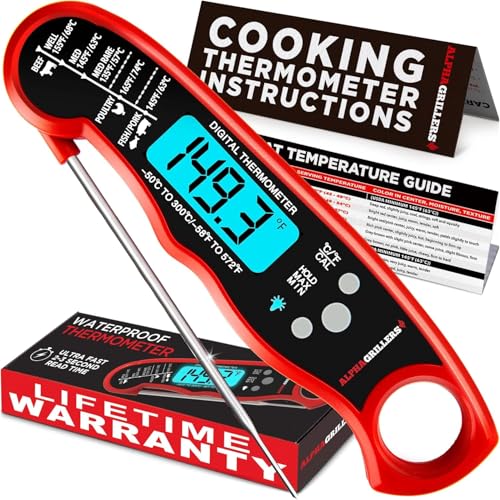
Instant Read Meat Thermometer
A reliable instant-read thermometer takes the guesswork out of hitting the right internal temp on any cut.
Dry Rub Tips
A simple dry rub goes a long way. Salt, black pepper, garlic powder, smoked paprika, and a little brown sugar covers most of what you need. Apply it at least 30 minutes before cooking, or overnight if you have time. For an extra juicy result, especially with the leaner loin-cut version, a quick brine overnight makes a noticeable difference. You can find solid brine formulas for pork here.
Frequently Asked Questions

Can I smoke country-style ribs like regular ribs?
Yes, and shoulder-cut country-style ribs are especially well suited for it. Smoke them at 225-250°F until they reach an internal temp of around 195-205°F, which usually takes 4 to 5 hours depending on thickness. They take smoke flavor well and end up with a texture similar to pulled pork shoulder. Loin-cut ribs can also be smoked, but pull them earlier, around 145-155°F, or they’ll dry out.
Why do my country-style ribs turn out tough?
Shoulder-cut ribs get tough when you don’t cook them long enough or hot enough to break down the collagen. They need time at low heat to become tender. If you treat them like a pork chop and cook them fast, they’ll fight back. Loin-cut ribs, on the other hand, turn tough when you overcook them, since they don’t have the fat and connective tissue to stay moist. Know which type you have before you commit to a method.
Country-style ribs are exactly


