
Smoked Meatloaf From Budget Ground Beef
Meatloaf doesn’t get much respect on the backyard cooking scene, but put it in a smoker and everything changes….

Meatloaf doesn’t get much respect on the backyard cooking scene, but put it in a smoker and everything changes. The smoke works into every layer of the loaf, the fat renders out cleanly, and that ketchup-based glaze caramelizes into something genuinely crave-worthy. Best of all, you’re building this out of some of the cheapest ground beef at the store.
This is one of those cooks where budget and flavor both win. If you’re already looking for ways to save money on meat at the grocery store, smoked meatloaf should be near the top of your list. Let’s walk through everything from meat selection to pulling temp.
Disclosure: As an Amazon Associate, this site earns from qualifying purchases. Thank you!
Choosing the Right Ground Beef (and Why Cheaper Works)

You don’t need 80/20 premium ground beef for this. An 85/15 or even 73/27 blend works great in a smoker, especially when you use a loaf pan with a drain insert. The fat renders out during the cook and drips away instead of pooling and making the bottom greasy.
If you want to stretch your dollar further and add flavor, ask your butcher about a beef-pork blend. Typically a 70/30 or 75/25 beef-to-pork mix adds moisture and a slightly sweeter flavor that pairs perfectly with hickory or cherry smoke. Ground pork is almost always cheaper per pound than ground beef, so mixing them actually reduces your cost per serving.
Wondering where to find affordable ground beef beyond the standard grocery shelf? Check out what options are available at discount grocers like Aldi, where ground beef is often competitively priced without much sacrifice in quality.

Meatloaf Pan with Drain Insert
A two-piece loaf pan with a perforated insert lets fat drain away during the cook, keeping your smoked meatloaf firm and sliceable instead of greasy.
The Base Recipe (Serves 6-8)
Keep the ingredient list simple. You don’t need a dozen binders and fillers. Here’s what works:
- 2 lbs ground beef (or a 1.5 lb beef / 0.5 lb pork blend)
- 1/2 cup breadcrumbs (plain or Italian-seasoned)
- 2 eggs
- 1/3 cup whole milk
- 1/2 cup diced yellow onion
- 2 cloves garlic, minced
- 2 tbsp Worcestershire sauce
- 1 tsp salt, 1 tsp black pepper, 1 tsp smoked paprika
Mix everything together by hand until just combined. Overmixing makes the texture dense and tough, similar to how overworking a burger patty ruins it. Press the mixture into your loaf pan firmly enough that there are no air pockets, but don’t pack it like concrete.
The Glaze
A simple three-ingredient glaze beats any bottled sauce. Combine 1/2 cup ketchup, 2 tbsp brown sugar, and 1 tbsp apple cider vinegar. Stir until the sugar dissolves. You’ll apply this in two layers during the smoke, not all at once at the start.
Smoker Setup and Wood Choice

Set your smoker to 225°F to 250°F. Meatloaf doesn’t need low-and-slow all day like a brisket, but you want enough time at lower temps for smoke to penetrate before the exterior firms up.
Wood choice matters here. Hickory is the classic pick for beef meatloaf. It gives a strong, savory smoke that holds up against the richness of the meat. Cherry or apple are great if you’re using a beef-pork blend since the milder, slightly sweet smoke complements pork well. Avoid mesquite for meatloaf. It’s too aggressive for a two-hour cook and can leave a bitter edge.
If you’re sorting out your fuel situation, the debate between lump charcoal and briquettes is worth reading before you fire up. Either works for meatloaf, but briquettes give you more consistent heat for this kind of longer cook.
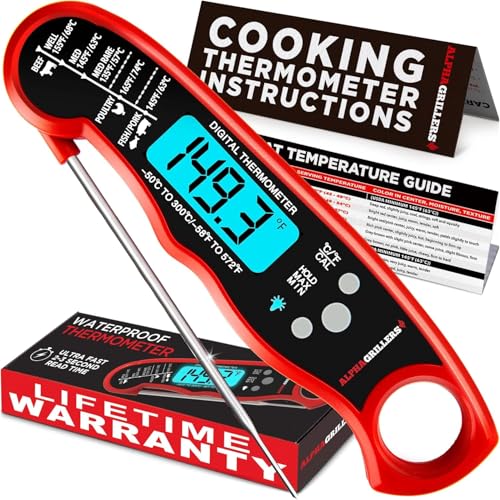
Instant Read Meat Thermometer
An accurate instant-read thermometer is the only reliable way to nail your pull temp and avoid undercooking ground beef.
Smoke Time, Glaze Timing, and Pull Temp

Place the loaded loaf pan in your smoker and close the lid. At 225°F to 250°F, expect a total cook time of about 2 to 2.5 hours for a 2-pound loaf.
Here’s how to break down the cook:
- 0 to 60 minutes: No peeking. Let the smoke establish and the exterior begin to set.
- At the 60-minute mark: Apply the first layer of glaze with a pastry brush. Don’t drown it. You want a thin, even coat.
- At the 90-minute mark: Apply the second glaze layer. By now the surface should be tacky and starting to caramelize.
- Final 30 minutes: Watch your thermometer. You’re looking for an internal temp of 160°F.
Ground beef must reach 160°F all the way through. This isn’t like a steak where you have wiggle room on doneness. Insert your thermometer into the center of the loaf, aiming for the thickest part. Once it reads 160°F, pull it immediately. Letting it run to 165°F or beyond will start drying it out.
Rest the meatloaf in the pan for 10 minutes before slicing. The juices redistribute and the loaf firms up enough to cut clean slices.

Wood Smoking Chips Hickory Cherry Variety Pack
A variety pack lets you experiment with hickory for beef-forward loaves and cherry for beef-pork blends without committing to a full bag of one type.
Serving Ideas and Leftovers

Smoked meatloaf slices hold up extremely well cold, which makes them ideal for next-day sandwiches. A thick slice on toasted bread with a little mustard and pickles is genuinely one of the better cold sandwiches you can make at home.
For a full dinner spread, pair it with mashed potatoes and roasted green beans. If you’re cooking for a crowd or want more variety on the table, this fits naturally into a backyard BBQ setup alongside other smoked items without requiring much extra work.
Leftover slices can also be crumbled and used in pasta sauce or tacos. Ground beef that’s already been smoked adds a depth of flavor to dishes like meat sauce that you just can’t get from a stovetop-only cook.
Frequently Asked Questions
Can I smoke meatloaf without a loaf pan?
Yes, you can free-form the loaf directly on a wire rack set over a drip tray. This gives you more smoke contact on all sides, which some people prefer. The tradeoff is that free-form loaves are harder to slice cleanly and can spread a bit during cooking. A loaf pan gives you better structure and a more uniform result, especially for beginners. If you go free-form, shape it tightly and refrigerate for 30 minutes before it goes on the smoker to help it hold together.
What wood is best for smoked meatloaf?
Hickory is the most reliable choice for a beef-heavy loaf. It’s bold without being overpowering at the 2-hour cook time. Cherry works beautifully with a beef-pork mix and gives the glaze a slightly richer color. Apple is milder and a good option if you’re cooking for people who don’t want a strong smoke flavor. Avoid mesquite for meatloaf since it’s better suited for quick, hot cooks like brisket or steaks rather than a longer, lower smoke.
How do I keep smoked meatloaf from drying out?
Three things help the most. First, don’t use meat that’s too lean. An 80/20 or 85/15 grind has enough fat to stay moist through the cook. Second, use a draining loaf pan so you’re not cooking in rendered fat, which can make the texture weird even if the meat isn’t dry. Third, pull the loaf at exactly 160°F and rest it before cutting. Every degree over 160°F costs you moisture, and cutting too soon lets the juices run out onto the cutting board instead of staying in the meat.
Final Thoughts
Smoked meatloaf is one of the most underrated things you can do with cheap ground beef. It’s the kind of cook that surprises people who expect the same old oven version, and it costs almost nothing to put together. If you enjoy finding ways to get serious flavor out of budget-friendly cuts, browse through our guide to the best cheap cuts of beef for more ideas on making the most of your meat budget.
Once you’ve got the basic recipe dialed in, you can start experimenting with mix-ins like diced jalapeños, shredded cheese in the center, or a bacon wrap on the outside. The fundamentals stay the same. Good meat, a proper glaze, the right wood, and a reliable thermometer. Everything else is just fun from there.
This article contains affiliate links. We may earn a small commission at no extra cost to you.


