10 Dry Aging vs Wet Aging Tips for Better Beef
Dry aging intensifies beef flavor and texture by exposing it to controlled air, while wet aging retains moisture in vacuum-sealed bags for a milder taste.

When it comes to enhancing the flavor and tenderness of beef, the debate between dry aging and wet aging is a hot topic among meat enthusiasts. Understanding the differences can help you make the best choice for your next culinary adventure.
Disclosure: As an Amazon Associate, this site earns from qualifying purchases. Thank you!
Exploring Dry Aging
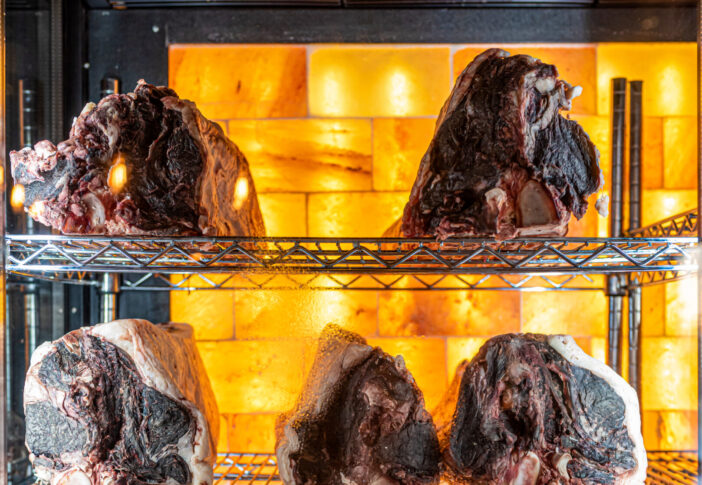
Dry aging is a traditional method used by many top chefs to enhance beef’s flavor and tenderness.
What is Dry Aging?
Dry aging exposes beef to air in a controlled environment. Conditions include specific humidity levels, temperature, and air circulation. This method allows natural enzymes to break down muscle fibers, intensifying flavor. To understand more about how dry aging improves flavor and tenderness, it’s important to know the science behind the process.
The Process of Dry Aging
First, select high-quality beef. Then, place it in a specialized aging room with regulated temperature (34-38°F) and humidity (80-85%). The beef ages for 14-60 days. Over time, enzymes tenderize the meat and evaporate moisture, concentrating the flavor.
Benefits of Dry Aging for Meat
Dry aging boosts flavor complexity, producing a distinctive, rich taste. It tenderizes the beef, resulting in a superior texture. The process also enhances aroma, making the meat more appealing.
Understanding Wet Aging
Wet aging, a modern technique, is widely used in the culinary industry for enhancing beef tenderness and flavor.
What is Wet Aging?
Wet aging involves vacuum-sealing beef in plastic. It retains moisture and allows natural enzymes to tenderize the meat without exposure to air.
The Process of Wet Aging
During wet aging, vacuum-sealed beef is stored in a refrigerator at temperatures between 32°F and 39°F. The process generally lasts between 7 to 28 days.
Benefits of Wet Aging for Meat
Wet aging offers consistent tenderness and a mild flavor. It’s cost-effective because it reduces weight loss and doesn’t require specialized equipment.
Comparing Dry Aging vs Wet Aging
Dive deeper into the distinctions between dry aging and wet aging to make informed decisions for your culinary adventures. Understanding the key differences between wet aged and dry aged beef will help you choose the right method for your needs.
Flavor
- Dry Aging: Intensifies beef flavor with nutty, earthy notes and enhanced umami.
- Wet Aging: Keeps flavor mild and fresh, preserving natural juices for a consistent taste.
Texture
- Dry Aging: Firmer, toothsome, steakhouse-quality bite due to moisture loss.
- Wet Aging: Tender, juicy, softer, and more succulent.
Quality and Efficiency
- Dry Aging: Requires a controlled environment and time investment, resulting in weight loss but a superior dining experience.
- Wet Aging: Efficient, and practical for tender meat with minimal weight loss and lower equipment costs.
These insights help you choose the appropriate aging method for your specific beef enhancement goals.
Pros and Cons of Dry Aging

Pros
- Enhanced Flavor: Dry aging intensifies the beef’s flavor, creating nutty and earthy notes that elevate the dining experience.
- Improved Texture: This method results in a firmer, steakhouse-quality bite, giving you a satisfying chew.
- Concentration of Taste: Moisture loss means flavors become more concentrated, offering a richer taste profile.
- Prestige Factor: Dry-aged beef often commands higher prices, adding cachet to your culinary offerings.
Cons
- Time-Consuming: Dry aging requires several weeks, sometimes up to 60 days, demanding patience and planning.
- Weight Loss: Significant moisture loss leads to a reduction in weight, impacting overall yield.
- Specialized Storage: It necessitates a controlled environment with precise humidity and temperature, which can be costly.
- Higher Cost: Due to time, effort, and storage requirements, dry aging generally results in higher costs.
Pros and Cons of Wet Aging
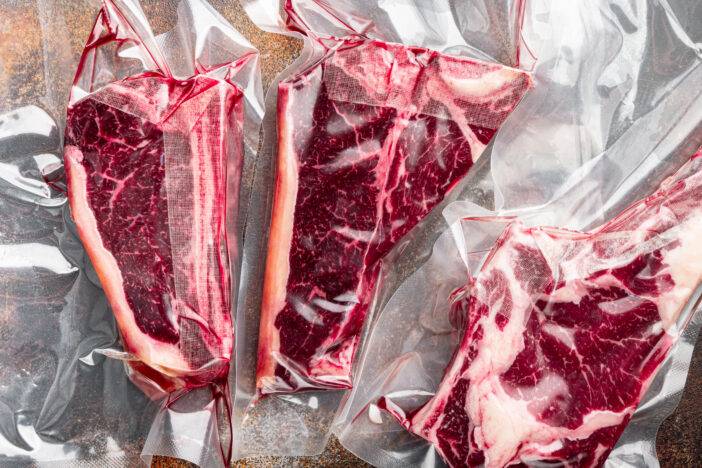
Wet aging offers a convenient and cost-effective way to enhance beef flavor and tenderness. You’ll find several benefits and some drawbacks to consider.
Pros
- Consistency in Flavor: Wet aging maintains a uniform taste profile. Vacuum-sealed packaging prevents external factors from affecting the beef’s flavor.
- Juiciness: Beef retains its natural juices. Vacuum sealing locks in moisture, ensuring a succulent and tender texture.
- Cost-Effective: Wet aging is generally less expensive. It requires no specialized equipment, making it accessible for most producers.
- Shorter Time: Wet aging typically takes 7-14 days. This shorter aging period speeds up production and reduces storage costs.
Cons
- Limited Flavor Development: Wet aging doesn’t produce the complex flavors of dry aging. The taste remains more subtle and uniform.
- Packaging Risks: Any break in the vacuum seal can spoil the beef. Proper handling is crucial to prevent contamination.
- Texture Variability: Wet-aged beef may lack the firmer texture of dry-aged beef. It tends to be softer, which might not appeal to all palates.
- Shelf Life: Wet-aged beef has a shorter shelf life. Once the package is opened, it’s more prone to rapid spoilage.
How to Choose Between Dry Aging and Wet Aging
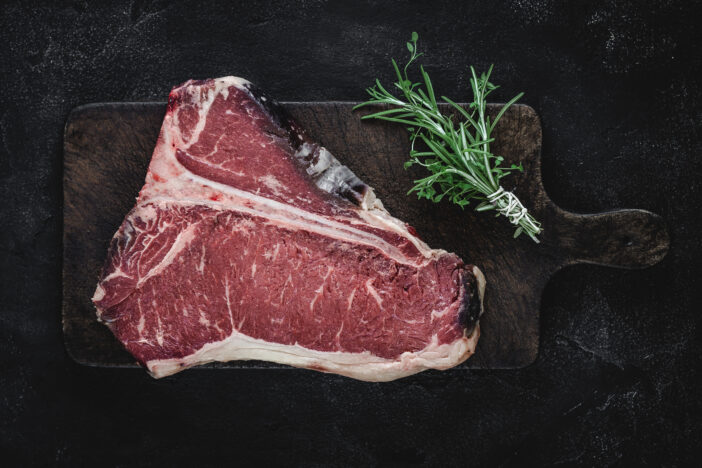
When deciding between dry aging and wet aging, several factors should guide your choice.
Factors to Consider
- Flavor Preferences: Dry aging offers intense, nutty flavors, while wet aging provides a more consistent, mild taste.
- Budget Constraints: Dry aging is pricier due to longer storage time and weight loss. Wet aging is more cost-effective.
- Time Availability: Dry aging can take 3-4 weeks or more. Wet aging is quicker, around 7-10 days.