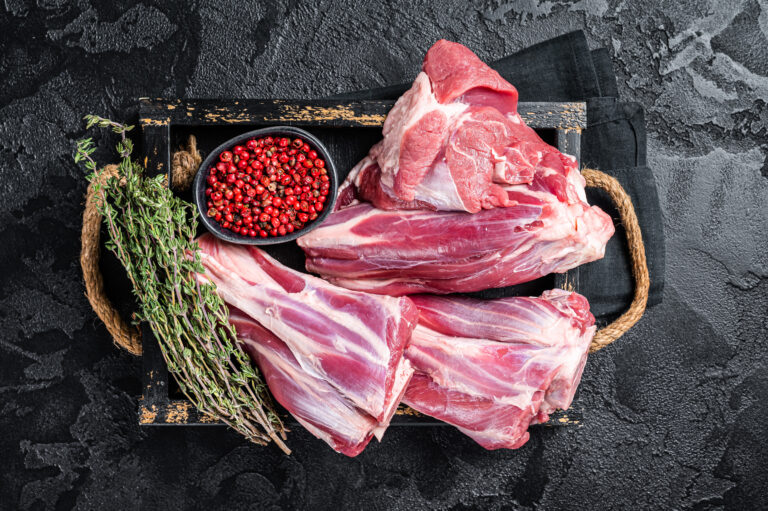
Smoked Bison Ribs: Low and Slow for Fall-Off-the-Bone Results
Learn to smoke bison short ribs with coffee rub over cherry wood for 6 hours. Complete guide to fall-off-the-bone buffalo ribs at 225°F.

Disclosure: As an Amazon Associate, this site earns from qualifying purchases. Thank you!
Why Bison Ribs Beat Beef for Smoking
Bison short ribs deliver bolder flavor than beef ribs while staying leaner, which means you get that rich, meaty taste without the heavy grease pooling in your smoker. These ribs respond beautifully to a six-hour smoke over cherry wood, and the coffee rub we’re using brings out their natural earthiness while cutting through any potential gaminess.
You’ll find bison ribs at specialty butchers, some farmers markets, and increasingly at natural food stores. They’re typically sold as short ribs cut English-style (meat on top of the bone) rather than flanken-style. For this recipe, you want ribs that are at least 2 inches thick to handle the long smoke time without drying out.
Bison meat runs leaner than beef, with about 30% less fat. This makes temperature control critical during your smoke. You can’t coast through this cook on autopilot. But get it right, and you’ll have tender, pull-away-from-the-bone meat that tastes like the best beef short ribs you’ve ever had, just with more character.
The Coffee and Brown Sugar Rub
Coffee grounds in a dry rub might sound unusual, but they create a dark, complex crust that pairs perfectly with bison’s robust flavor. The acidity in coffee also helps tenderize the meat during the long cook.
Here’s what you need for a rack that serves 4 people:
- 3 tablespoons finely ground coffee (not instant)
- 2 tablespoons brown sugar
- 1 tablespoon smoked paprika
- 1 tablespoon kosher salt
- 2 teaspoons black pepper
- 1 teaspoon garlic powder
- 1 teaspoon onion powder
- 1/2 teaspoon cayenne pepper
Mix all the rub ingredients thoroughly in a bowl. You want the coffee grounds evenly distributed, not clumped together. Fresh coffee grounds work better than stale ones sitting in your pantry for months. The oils in fresh grounds contribute to both flavor and bark formation.
Apply the rub generously to all sides of the ribs at least 2 hours before smoking, preferably overnight. Pat the ribs dry with paper towels first. Moisture prevents the rub from adhering properly and creates steam instead of bark during the initial smoking phase.
Selecting Your Wood and Managing Smoke
Cherry wood is my top pick for low and slow cooking bison ribs. It produces a mild, sweet smoke that complements rather than overpowers the meat. Hickory works too, but it’s aggressive and can make bison taste overly smoky. Mesquite is too intense for a 6-hour cook.
You need about 4 to 6 chunks of cherry wood for this smoke, not a constant stream of wood throughout the entire cook. Heavy smoke for the first 3 hours gives you plenty of flavor, then you’re just maintaining temperature. Adding wood constantly creates bitter, acrid flavors that ruin good meat.
Soak your wood chunks for 30 minutes before adding them to your smoker. This makes them smolder rather than flame up, producing cleaner smoke. You can find quality cherry wood chunks on Amazon if your local stores don’t stock it.
Use a water pan in your smoker. This stabilizes temperature and adds humidity to prevent the lean bison meat from drying out. Fill it halfway with hot water (not cold, which drops your smoker temperature) and check it every 2 hours.
Temperature Control for Perfect Results
Set your smoker to 225°F and don’t budge from that temperature. Bison ribs need gentle, consistent heat to break down the connective tissue without toughening the lean meat. Temperature swings above 250°F will dry them out fast.
Place your ribs bone-side down on the grate. The bones act as a heat shield, protecting the meat from direct heat. Don’t flip them during the cook. You’re smoking, not grilling.
After 3 hours, start checking the ribs every hour. You’re looking for two things: an internal temperature of 203°F and the meat pulling back from the bones by about 1/4 inch. Both indicators need to happen together. Temperature alone doesn’t tell the full story because bison’s lower fat content changes how it cooks compared to beef.
A reliable wireless meat thermometer makes this process much easier. You can monitor internal temperature without opening your smoker and losing heat.
The Wrap Debate for Bison Ribs
Many pitmasters wrap beef ribs in foil or butcher paper partway through smoking. I don’t wrap bison short ribs. The wrap technique, called the Texas crutch, speeds cooking and prevents drying in fatty beef ribs. But bison ribs don’t have that fat buffer, and wrapping them steams the meat, which softens your carefully built bark.
Keep them naked on the smoker for the full 6 hours. Yes, this requires more attention to your water pan and temperature, but you’ll get better bark and cleaner smoke flavor. The trade-off is worth it.
If your ribs start looking too dark after 4 hours, move them to a cooler spot on your grate or create a small foil tent over them (not wrapped tight, just loosely draped). This protects the surface while still allowing smoke circulation.
Resting Matters More Than You Think
Pull your bison ribs when they hit 203°F internal temperature and the bones show that telltale pullback. Tent them loosely with foil and let them rest for 20 minutes minimum, 30 minutes is better.
This resting period lets the meat fibers relax and reabsorb juices. Cut into bison ribs straight off the smoker and you’ll watch precious moisture run onto your cutting board instead of staying in the meat. This step applies to all properly cooked meats, but it’s especially critical for lean proteins like bison.
Don’t wrap them tight during the rest. You want air circulation to maintain that crispy bark you spent 6 hours building. A loose foil tent keeps them warm without steaming.
Sourcing Quality Bison Ribs
Finding bison ribs takes more effort than grabbing beef at the supermarket. Your best options are specialty butchers, online meat suppliers, and direct-from-ranch sources. Ask specifically for short ribs cut from the plate or chuck section.
Look for ribs with good meat coverage and minimal silver skin. The meat should be deep red, almost purple-red, which indicates proper aging. Avoid ribs with brownish or grayish tones, signs of oxidation or poor handling.
Ranch-raised bison from North America delivers better flavor than imported meat. Most American bison ranches follow grass-fed or grass-finished practices naturally because bison don’t adapt well to feedlot conditions. This gives you cleaner flavor and better nutrition without paying extra for marketing labels.
Plan ahead when ordering. Many suppliers freeze bison ribs for shipping, which is fine, but you’ll need 24 to 48 hours for proper thawing in your refrigerator. Never thaw bison ribs at room temperature or in hot water.
Common Mistakes That Ruin Bison Ribs
Treating bison like beef causes the most failures. Bison cooks faster and dries out easier because of its low fat content. Every principle you know about smoking beef brisket or beef ribs needs adjustment for buffalo.
Running your smoker too hot is mistake number one. Temperatures above 250°F turn bison ribs into leather. Stick to 225°F religiously. Get a good oven thermometer to verify your smoker’s built-in gauge, which is often off by 25 degrees or more.
Over-smoking creates bitter, unpleasant meat. You don’t need smoke for the entire cook. Three hours of good cherry wood smoke is plenty. The remaining time is just gentle cooking to break down connective tissue.
Skipping the water pan dries out your ribs faster than anything else. That humidity is your insurance policy against lean meat becoming tough meat.
Pulling ribs too early leaves you with chewy, disappointing results. Bison needs to hit that full 203°F internal temperature for the collagen to break down completely. Don’t rush it.
Serving and Pairing Suggestions
Cut between the bones to separate individual ribs for serving. A sharp knife makes this easier, but properly smoked ribs should almost fall apart as you cut them.
Bison ribs don’t need sauce. The coffee rub and smoke create enough flavor complexity on their own. If you must add something, go with a thin apple cider vinegar mop rather than thick, sweet BBQ sauce. You want to taste the meat and smoke, not mask them with sugar.
These ribs pair well with sharp, acidic sides that cut through the richness. Coleslaw with a vinegar base, pickled vegetables, or a simple arugula salad with lemon dressing all work better than heavy, creamy sides. The same principles that make restaurant ribs tender apply here, but bison’s bold flavor needs brighter accompaniments.
For drinks, go with bold red wines like Malbec or Syrah, or dark beers like porters and stouts. The coffee notes in the rub mirror chocolate and roasted flavors in these beverages.
Storing and Reheating Leftovers
Wrap leftover bison ribs tightly in foil and refrigerate within 2 hours of cooking. They’ll keep for 3 to 4 days in the fridge. Don’t leave them sitting out at room temperature longer than that 2-hour window. Lean meat like bison poses higher food safety risks than fattier cuts because bacteria grow more readily without fat as a protective barrier.
Reheat ribs gently in a 250°F oven wrapped in foil with a splash of beef broth or water. This takes about 20 minutes and prevents them from drying out. Microwaving turns them rubbery and destroys that beautiful bark you worked so hard to create.
You can freeze smoked bison ribs for up to 3 months. Wrap them in plastic wrap first, then aluminum foil, then place in a freezer bag. This triple-layer protection prevents freezer burn. Thaw overnight in the refrigerator before reheating.
Adjusting This Recipe for Different Cuts
This coffee rub and smoking technique works for other bison cuts too. Bison back ribs (similar to pork baby backs) need only 4 hours at 225°F because they’re smaller and have less connective tissue. Check them starting at the 3-hour mark.
Bison plate ribs, the largest cut, might need 7 hours to reach that perfect tenderness. These are similar to beef plate ribs for BBQ but cook slightly faster due to less marbling.
You can also use this rub on bison brisket, though you’ll need to adjust your cooking time significantly. A full bison brisket takes 10 to 12 hours at 225°F.
Equipment That Makes This Easier
Any smoker works for this recipe. Offset smokers, pellet grills, kamado-style ceramic cookers, and even Weber kettles with the snake method all produce excellent bison ribs. Your skill at maintaining temperature matters more than the equipment type.
That said, pellet grills make temperature control nearly effortless. Set it to 225°F and walk away. Check out pellet grills on Amazon if you’re tired of babysitting charcoal or wood smokers.
A good pair of heat-resistant gloves makes handling hot ribs safer and easier. The thin latex gloves pitmasters use don’t protect against heat, but they do prevent cross-contamination. Get proper insulated BBQ gloves for moving meat around your smoker.
A quality instant-read thermometer is non-negotiable. Guessing doneness by look or feel fails with bison because its lean composition cooks differently than beef. Verify that 203°F internal temperature every time.
The Science Behind Fall-Off-the-Bone Tenderness
Collagen breaks down into gelatin between 190°F and 205°F. This conversion is what creates that tender, pull-apart texture in properly smoked ribs. Below 190°F, the collagen stays tough and chewy. Above 210°F, you start drying out the meat even as the collagen breaks down.
The sweet spot for bison short ribs is 203°F. This temperature gives you complete collagen breakdown without pushing into the dry zone that lean meat enters quickly.
Time matters as much as temperature. Collagen breakdown happens slowly. You can’t rush it to 203°F in 3 hours and expect the same results as a 6-hour cook to the same temperature. The meat fibers need time at elevated temperature for those chemical changes to occur throughout the cut.
This is why proper slow cooking techniques emphasize both time and temperature control. One without the other produces inferior results.
Comparing Bison to Other Smoked Ribs
Beef short ribs have more intramuscular fat, which makes them more forgiving during smoking. You can push them to 210°F without drying them out because that fat keeps them moist. They’re also easier to find and typically cost less than bison.
Pork ribs cook faster and have a completely different flavor profile. The smoking techniques don’t translate directly because pork fat renders differently than beef or bison fat.
Lamb ribs taste gamier than bison and have smaller bones with less meat. They’re not a practical substitute in this recipe.
Bison ribs occupy a middle ground between beef and wild game. They taste richer and more complex than beef but cleaner and less gamey than venison or elk ribs. For people who want something different from standard BBQ without going full wild game, bison is perfect.
Scaling This Recipe for Crowds
This rub recipe covers about 3 pounds of ribs, which serves 4 people as a main course. Double or triple the rub ingredients proportionally for larger quantities.
You can smoke multiple racks simultaneously if your smoker has space. Just maintain that 225°F temperature and ensure adequate smoke circulation around all the meat. Overcrowding restricts airflow and creates uneven cooking.
Don’t stack ribs directly on top of each other. Use a rib rack to stand them vertically if you’re tight on horizontal space. This maintains smoke and heat circulation while maximizing your cooking capacity.
Cooking time stays the same regardless of how many racks you’re smoking, as long as your smoker holds temperature consistently. The internal temperature of each rack is what matters, not the total meat volume.
FAQ
Can you smoke bison ribs without a dedicated smoker?
You can smoke bison ribs on a charcoal grill using the two-zone method. Bank your coals to one side, place your ribs on the opposite side, and add wood chunks to the coals. Keep your lid closed and maintain 225°F by adjusting the vents. This takes more attention than a dedicated smoker, but it works. Gas grills are harder because most don’t go low enough or produce real smoke, though some success is possible with a smoker box and careful burner control.
Do bison ribs taste gamey like venison?
Bison ribs taste richer and slightly sweeter than beef but without the strong gamey flavor you get from deer or elk. The coffee rub in this recipe further minimizes any gamey notes. Ranch-raised bison that’s been properly aged has almost no gamey taste at all. If you’ve tried bison burgers and liked them, you’ll definitely enjoy bison ribs. The smoking process also mellows any strong flavors while adding its own complexity.
How do you know when bison ribs are done without a thermometer?
Check for meat pulling back from the bones by about 1/4 inch, which happens around the 5 to 6 hour mark. You can also do the bend test by picking up the rack with tongs at one end. Properly cooked ribs will bend significantly and the meat will start to tear on the surface. Insert a toothpick or probe between the bones, and it should slide in with very little resistance. These methods work but aren’t as reliable as hitting that 203°F internal temperature. Invest in a thermometer for consistent results.
Can you use this same technique for beef short ribs?
This coffee rub and smoking method works great for beef short ribs, though you can push them slightly hotter and longer because of their higher fat content. Beef short ribs benefit from smoking to 205°F or even 210°F internal temperature. They’re more forgiving if you accidentally go over temperature. The smoke time is similar at 6 to 7 hours. Everything else, including the rub application, wood choice, and resting period, translates directly from this bison recipe.
Final Thoughts on Smoked Bison Ribs
Bison short ribs with this coffee and brown sugar rub deliver restaurant-quality results at home if you follow the temperature guidelines and resist the urge to over-smoke them. The lean nature of bison makes it less forgiving than beef, but that same leanness gives you cleaner, more pronounced meat flavor that truly showcases your smoking skills.
Master this technique and you’ll have a signature dish that stands out from typical BBQ fare. Just remember that 225°F temperature, limit your smoke to 3 hours, and don’t skip the rest period. Those three rules separate great smoked bison ribs from mediocre ones.
This article contains affiliate links. If you purchase through these links, we may earn a small commission at no extra cost to you.