Smoked Venison Summer Sausage: A Deer Camp Favorite
Classic venison summer sausage with mustard seed, garlic, and curing salt. Smoked low to 155°F for perfect texture. Complete recipe with tips.

Making venison summer sausage at home turns your hard-earned deer harvest into a shelf-stable snack that beats anything you’ll find at a gas station. This recipe uses classic mustard seed, garlic, and curing salt to create a tangy, savory sausage with that distinctive fermented flavor you expect from quality summer sausage.
The smoking process is simple but requires patience. You’ll cold smoke or low-smoke these links until they reach an internal temperature of 155°F, which takes anywhere from 4 to 8 hours depending on your smoker and the thickness of your casings.
Disclosure: As an Amazon Associate, this site earns from qualifying purchases. Thank you!
Why Venison Makes Better Summer Sausage Than Beef
Venison’s lean profile actually works in your favor for summer sausage. You control the fat content by adding pork fat or beef fat at exactly the ratio you want, typically around 20-30% fat to meat. This gives you a firmer texture that slices cleanly without the greasy residue you sometimes get from all-beef versions.
The natural gaminess of deer meat also pairs perfectly with the tangy cure and the smoke. That slightly wild flavor becomes more refined and complex after curing and smoking, creating a taste that’s distinctly different from commercial summer sausage.
If you’re working with wild game, you already know the satisfaction of using every part of your harvest. Summer sausage is one of the best ways to preserve venison for months without freezing, making it perfect for hunting camp snacks, road trips, or adding to a well-arranged antipasto platter.
Essential Equipment and Ingredients
You’ll need a meat grinder, a sausage stuffer, and a smoker that can maintain temperatures between 140°F and 180°F. A basic electric smoker works great for this, but you can also use a pellet grill or offset smoker if you can control the heat.
For casings, go with fibrous casings in 2.5 to 3-inch diameter. These hold their shape better than natural casings and can withstand the long smoking time without splitting. You can check current prices on fibrous casings at Amazon to see what’s available.
Ingredient List
- 5 pounds venison, trimmed of all sinew and silver skin
- 2 pounds pork fat or fatty pork shoulder
- 3 tablespoons Morton Tender Quick (curing salt)
- 2 tablespoons mustard seed (yellow or brown)
- 1 tablespoon coarse black pepper
- 1 tablespoon garlic powder
- 1 tablespoon onion powder
- 2 teaspoons ground coriander
- 1 teaspoon crushed red pepper flakes (optional for heat)
- 1/4 cup cold water
The curing salt is not optional. Morton Tender Quick contains sodium nitrite, which prevents botulism and gives summer sausage its characteristic pink color and tangy flavor. Don’t substitute regular salt or skip this ingredient.
Grinding and Mixing the Meat
Cut your venison and pork fat into 1-inch cubes. Keep everything extremely cold throughout the process. I put the meat in the freezer for 30 minutes before grinding, and I chill my grinder parts in the freezer as well.
Grind everything through a medium plate first (about 3/16 inch). Then mix in all your seasonings, the curing salt, and the cold water. Mix thoroughly for at least 3-4 minutes. You want the mixture to become sticky and bind together, which creates that classic summer sausage texture.
For an even finer texture, run the seasoned mixture through the grinder one more time using a fine plate. This is personal preference, but I like the smoother consistency you get from the second grind.
After mixing, cover the bowl and refrigerate for at least 8 hours or overnight. This curing period allows the salt to penetrate the meat and start developing flavor.
Stuffing the Casings
Soak your fibrous casings in warm water for 30 minutes before stuffing. This makes them pliable and easier to work with.
Stuff the mixture firmly into the casings using your sausage stuffer. You want to eliminate air pockets, but don’t overstuff or the casings might burst during smoking. Leave about 3 inches of casing empty at each end for tying.
Twist and tie the ends with butcher’s twine. You can make links of any length, but 12 to 16-inch links are ideal for hanging in the smoker and for later slicing.
After stuffing, prick any visible air pockets with a sterilized needle or sausage pricker. Then let the stuffed sausages rest in the refrigerator for another 2-4 hours. This allows the casings to dry slightly and helps them take smoke better.
The Smoking Process
This is where patience matters. Your goal is to slowly bring the internal temperature up to 155°F while adding smoke flavor.
Preheat your smoker to 140°F. Hang the sausages or lay them on racks with space between each link for air circulation. Use hickory, apple, or cherry wood for smoke. I prefer hickory for venison summer sausage because it stands up to the strong meat flavor.
Smoke at 140°F for the first 2 hours. This low temperature allows maximum smoke penetration before the casing sets. After 2 hours, increase the temperature to 160-170°F and continue smoking.
Check the internal temperature regularly with a meat thermometer. You’re aiming for exactly 155°F in the center of the thickest link. This usually takes 4-6 hours total, but can take up to 8 hours for thicker sausages.
Don’t rush this by cranking up the heat. High heat causes fat to render out and creates a dry, crumbly texture. Low and slow wins every time with summer sausage.
If you enjoy smoking meat, you might also appreciate these smoked ribeye roast tips for your next big cook.
Cooling and Storage
Once your sausages hit 155°F, remove them from the smoker immediately. You can’t overcook in terms of temperature, but extended heat exposure will dry them out.
Fill a large container or clean sink with ice water. Plunge the hot sausages into the ice bath for about 15 minutes. This stops the cooking process and helps the sausage retain moisture.
After the ice bath, pat the sausages dry and hang them at room temperature for 2-3 hours. This “bloom” period allows the casings to dry and the color to develop fully. You’ll notice the sausages darken slightly and the casing tightens.
Once bloomed, wrap each link tightly in plastic wrap or vacuum seal them. Store in the refrigerator for up to 3 weeks or freeze for up to 6 months. Properly cured and smoked summer sausage can actually be stored at room temperature for short periods, but refrigeration is safer for home production.
Getting the Best Texture
The texture of your finished sausage depends on three factors: fat content, grinding fineness, and mixing time.
For fat content, stick to 20-30% fat. Less than 20% and you’ll get dry, crumbly sausage. More than 30% and it becomes greasy. I find 25% fat to be the sweet spot for venison summer sausage.
For grinding, the second pass through a fine plate creates that deli-style smooth texture. If you prefer a coarser, more rustic texture, stick with one grind through a medium plate.
For mixing, don’t shortcut this step. Mix until the meat becomes sticky and pulls away from the bowl. This protein extraction is what binds everything together and prevents a crumbly texture.
Flavor Variations Worth Trying
The base recipe above creates a classic garlic and mustard seed summer sausage, but you can customize the spice blend easily.
For a spicier version, double the red pepper flakes and add 1 tablespoon of cayenne pepper. For a more traditional German-style summer sausage, skip the coriander and add 1 tablespoon of caraway seeds instead.
Some hunters like adding 1/4 cup of non-fat dry milk powder to the mix. This creates a slightly tangier flavor and helps with moisture retention. It’s optional but worth testing if you’re making multiple batches.
You can also experiment with different woods for smoking. Mesquite is too strong for my taste, but some people love it with venison. Apple wood creates a milder, slightly sweet smoke that lets the spices shine through more.
For more creative ways to use cured meats, check out these salami breakfast ideas that work equally well with summer sausage.
What Can Go Wrong and How to Fix It
The most common problem is sausage that’s too dry and crumbly. This usually means either not enough fat, too high smoking temperature, or overcooking past 155°F. Fix this in future batches by increasing fat content to 30% and watching your smoker temperature closely.
Greasy sausage with fat pockets happens when you smoke too hot or stuff the casings unevenly. The fat renders out before the meat proteins can bind it. Keep temperatures under 170°F and make sure your grinder is cold enough to keep the fat from smearing.
If your sausage has a mushy texture instead of firm and sliceable, you didn’t mix long enough or your cure didn’t have enough time to work. Always mix until sticky and give the full overnight curing time before stuffing.
Split casings during smoking usually mean you overstuffed them or didn’t eliminate air pockets. Stuff firmly but not tight, and always prick any visible air bubbles before smoking.
Serving and Using Your Venison Summer Sausage
Slice the sausage thin for snacking. About 1/8 inch thick is perfect for eating straight or putting on crackers. A good meat slicer makes this job easier if you’re processing multiple sausages.
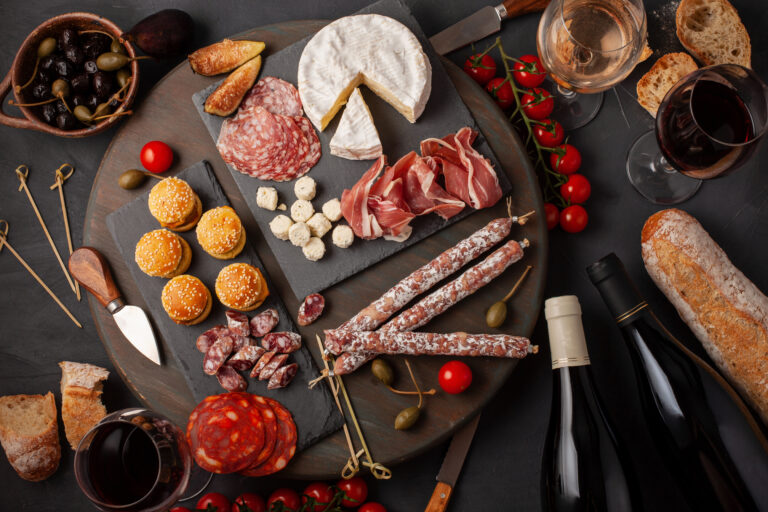
Summer sausage works great on cheese boards alongside sharp cheddar, pepper jack, and smoked gouda. Add some whole grain mustard and pickled vegetables for a complete snack spread. You’ll find more ideas in this guide to creating sophisticated cheese boards.
You can also dice summer sausage and add it to scrambled eggs, omelets, or breakfast burritos. The smoky, tangy flavor adds depth without overpowering other ingredients.
For lunch, thick slices of summer sausage on rye bread with swiss cheese and spicy mustard make an excellent sandwich. The firm texture holds up better than most deli meats.
The Curing Salt Safety Question
Some people worry about sodium nitrite in curing salts. The science is clear: when used at proper concentrations, curing salts are safe and necessary for preventing dangerous bacterial growth in cured meats.
The USDA provides specific guidelines for safe curing salt usage. Morton Tender Quick is formulated to be used at the rate of 1 tablespoon per pound of meat for dry curing. In this recipe, we’re using it as part of a larger seasoning blend at safe levels.
Never skip the curing salt or try to substitute regular salt in summer sausage recipes. The low smoking temperatures and long cook times create perfect conditions for botulism without proper curing. It’s not worth the risk.
You can find detailed information about safe meat curing practices at the USDA Food Safety and Inspection Service website.
Making Summer Sausage Without a Smoker
You can make summer sausage in a regular oven if you don’t have a smoker. You’ll miss the smoke flavor, but the texture and tang will still be there.
Place the stuffed sausages on a wire rack over a baking sheet. Put them in a 170°F oven and cook until the internal temperature reaches 155°F. This takes about 4-6 hours.
For a hint of smoke flavor, add 1-2 teaspoons of liquid smoke to your spice mixture before stuffing. Go easy with liquid smoke because it’s concentrated. You can also use quality smoked paprika in your spice blend for another layer of smoky flavor.
The ice bath and blooming steps are the same whether you smoke or oven-cook. Don’t skip these, as they’re critical for texture and shelf life.
Using Other Game Meats
This recipe works with any lean game meat. Elk, antelope, moose, and wild boar all make excellent summer sausage using the same ratios and methods.
Elk is particularly good because it’s even leaner than venison, which means you can control the fat content precisely. The flavor is also milder than deer, so the spices and smoke come through more prominently.
Wild boar has more fat than venison, so reduce the added pork fat to 15-20% instead of the full 25-30%. The meat has a richer, slightly sweeter flavor that pairs well with the mustard seed and garlic.
You can even mix different game meats in one batch. Half venison and half elk creates a nice middle ground in both flavor and color.
Scaling the Recipe Up or Down
This recipe is written for 7 pounds total (5 pounds venison, 2 pounds fat), which produces about 6-7 feet of sausage in 2.5-inch casings. That’s roughly 4-5 links of standard length.
Scale everything proportionally if you’re working with a different amount of meat. The key ratio to remember is 70-80% lean meat to 20-30% fat, and 1 tablespoon Morton Tender Quick per pound of total meat weight.
For smaller batches, you can cut the recipe in half and make just 2-3 links. For larger batches after a successful hunt, multiply everything by 2 or 3. Just make sure your grinder and stuffer can handle the volume.
Keep batches under 20 pounds total if you’re mixing by hand. Larger amounts need a commercial mixer to ensure even distribution of cure and spices.
Frequently Asked Questions
Can I use pre-ground venison for summer sausage?
You can, but the texture won’t be as good. Pre-ground venison is usually ground only once through a coarse plate, and it’s been sitting around warming up. For best results, grind your own meat from cold chunks. This gives you control over the grind size and keeps the fat from smearing. If you must use pre-ground, mix it extremely well with the seasonings and consider grinding it again through a fine plate before stuffing.
How long does homemade venison summer sausage last?
In the refrigerator, properly cured and smoked summer sausage lasts 3-4 weeks wrapped in plastic or vacuum sealed. In the freezer, it keeps for 6 months without significant quality loss. Once you slice into a link, use it within 10 days for best quality. The curing salt preserves the meat, but refrigeration is still necessary for home production since we can’t match the controlled environment of commercial facilities. Some people report room temperature storage for a week or two, but I don’t recommend it for food safety reasons.
Why is my summer sausage greasy on the outside?
Grease on the outside means your smoking temperature was too high and fat rendered out before the proteins could bind it. This happens most often when people rush the process by smoking at 200°F or higher. Stick to 140-170°F maximum, and never exceed 180°F. Also make sure your meat and fat are cold during grinding. If the fat smears instead of staying in distinct pieces during grinding, it will render out during smoking. Chill everything thoroughly and work quickly.
Do I need special equipment to make summer sausage at home?
You need a grinder, a stuffer, and a heat source that maintains 140-170°F. A basic countertop meat grinder with stuffing tubes handles small batches fine. For the heat source, an electric smoker is easiest because it holds steady temperatures, but you can also use a pellet grill, a charcoal smoker with careful fire management, or even a regular oven. A meat thermometer is essential for monitoring internal temperature. Beyond that, you just need casings, butcher’s twine, and the ingredients.
Final Thoughts on Deer Summer Sausage
Making your own venison summer sausage takes time and attention to detail, but it’s one of the most rewarding ways to process your deer harvest. The finished product keeps for weeks, travels well without refrigeration for short periods, and tastes better than anything you’ll buy commercially.
Start with this basic recipe and adjust the spices to your preference once you understand the process. The core elements of proper curing, controlled smoking, and hitting that 155°F internal temperature stay the same regardless of what spices you use.
Your first batch might not be perfect, but even mediocre homemade summer sausage beats most store-bought versions. By your third or fourth batch, you’ll have the process dialed in and you’ll be making sausage that rivals professional operations.
This article contains affiliate links. If you purchase through these links, we may earn a small commission at no extra cost to you.