
Best Budget Meats for Protein: Top Affordable Options
Hitting 150+ grams of protein daily on a budget requires knowing which meats deliver the most grams per dollar….

Hitting 150+ grams of protein daily on a budget requires knowing which meats deliver the most grams per dollar. Premium cuts and organic labels aren’t necessary for hitting macros. These affordable options maximize your protein intake without emptying your wallet.
The typical grocery store stocks dozens of protein sources at wildly different price points. A pound of grass-fed ribeye competitively priced while a whole pork loin runs competitively priced per pound. Both deliver roughly the same protein per ounce, but one costs seven times more.
Smart protein shoppers ignore the branding and focus on grams per dollar.
Disclosure: As an Amazon Associate, this site earns from qualifying purchases. Thank you!
Canned Tuna
At roughly 25 grams of protein per can, canned tuna is the most affordable animal protein available. A single can provides a complete protein serving for a fraction of what any fresh meat costs per serving. Water-packed chunk light has the best protein-to-cost ratio.
Eat 2 to 3 servings per week to keep mercury intake in check.
A 5-ounce can typically runs competitively priced to competitively priced depending on sales and brand. That works out to about 20 to 25 grams of protein per dollar, beating nearly every other animal source. Skip albacore (white tuna) unless it’s on deep discount.
The extra cost doesn’t translate to extra protein, and albacore carries higher mercury levels than chunk light.

Chunk Light Tuna in Water
Best protein-to-cost ratio with lower mercury than albacore
Drain thoroughly before mixing into salads or wraps. The canned format means zero prep time and a two-year shelf life. Stock up during sales when prices drop to competitively priced per can.
At that price point, you’re getting 30+ grams of protein per dollar spent.
Chicken Thighs (Bone-In)

Bone-in chicken thighs deliver about 26 grams of protein per 4-ounce serving at the lowest per-pound chicken price. They’re more forgiving to cook than breast (the fat content keeps them moist) and taste better in virtually every preparation.
Buy family packs and batch-cook for the week.
Bone-in, skin-on thighs run competitively priced to competitively priced per pound in most markets. Family packs of 10 pounds push the price down to competitively priced per pound during sales. Different parts of chicken offer varying protein yields, but thighs balance cost, flavor, and ease of cooking better than any other cut.
One whole thigh weighs about 4 to 5 ounces bone-in. After roasting, you get roughly 3 ounces of meat yielding 20 to 22 grams of protein. competitively priced per pound, a pack of eight thighs costs competitively priced and provides 160 grams of protein total, or roughly 50 grams per dollar.
Roast at 425°F for 35 to 40 minutes until the skin crisps and internal temp hits 175°F. The collagen breaks down fully at that temperature, making the meat tender without drying out.
Remove the skin after cooking if you’re tracking calories closely. The fat doesn’t affect protein content, but it adds 60 to 80 calories per thigh.
93% Lean Ground Turkey
Ground turkey provides 22 grams of protein per 4-ounce serving with lower fat than ground beef. It works well in meal prep bowls, tacos, and stir-fries. The per-pound price is competitive with chicken breast, making it an excellent lean protein for calorie-conscious eaters.
Expect to pay competitively priced to competitively priced per pound for 93% lean. That’s higher than chicken thighs but comparable to skinless chicken breast. Ground turkey absorbs seasonings well, so it adapts to virtually any cuisine.
Brown it with taco seasoning, Italian herbs, or Asian sauces depending on your meal plan.
A pound of 93% lean turkey contains roughly 88 grams of protein and 640 calories. Compare that to 80/20 ground beef at 80 grams of protein and 1,150 calories per pound. Meals focused on high protein and low calories benefit from lean ground turkey’s nutrition profile.
Cook it in a large batch on Sunday. Store in divided containers with your choice of vegetables and rice or quinoa. Ground turkey dries out if overcooked, so pull it from heat when it just loses its pink color, around 165°F internal temp.
Pork Loin
Whole pork loin from Costco or Walmart delivers 22 grams of protein per 4-ounce serving at one of the lowest per-pound prices for any fresh meat. Slice into chops, cutlets, or medallions and batch-cook.
The lean profile makes it popular for bodybuilding-style meal prep.
A whole pork loin weighs 8 to 10 pounds and competitively priced to competitively priced per pound. That single cut provides 20 to 25 meals at 6 ounces cooked weight per meal. Trim the thin layer of fat on one side if desired, but it’s minimal compared to fattier cuts like pork shoulder.
Slice the loin into 1-inch chops or thinner cutlets for faster cooking. Season with salt, pepper, and garlic powder. Sear in a hot pan for 3 to 4 minutes per side until internal temp reaches 145°F.
Let rest for 3 minutes before eating. Pork doesn’t need to be cooked to 160°F anymore. Updated USDA guidelines set safe temp at 145°F with a rest period.
competitively priced per pound, a 9-pound loin competitively priced and yields roughly 1,980 grams of protein total. That’s 88 grams of protein per dollar spent, beating even chicken thighs.
Eggs
Six grams of protein each at the lowest per-serving cost of any animal protein. Eggs are the ultimate budget protein. Hard-boil a dozen on Sunday for grab-and-go snacks throughout the week.
Scrambled eggs for dinner is a legitimate (and fast) high-protein meal.
A dozen large eggs competitively priced to competitively priced depending on region and season. competitively priced per dozen, that’s competitively priced per egg or about 24 grams of protein per dollar. The protein concentration sits entirely in the white, but the yolk provides vitamins A, D, E, and K along with healthy fats.
Whole eggs work well for anyone not in an aggressive calorie deficit. Protein-rich breakfast options often center around eggs because they cook in minutes and pair with nearly any vegetable or grain.
Hard-boiled eggs keep in the fridge for up to one week. Boil water, add eggs, cover, remove from heat, and let sit for 10 to 12 minutes. Transfer to an ice bath to stop cooking.
Peel under cold running water for easier shell removal.
Scrambled eggs for dinner might sound odd, but three eggs with sautéed spinach, mushrooms, and a slice of whole-grain toast delivers 20+ grams of protein in under 10 minutes of active cooking time.
Cottage Cheese
Not a meat, but worth mentioning. Cottage cheese provides 14 grams of protein per half-cup serving. It works as a snack, a salad topping, and a protein boost mixed into oatmeal.
The per-serving cost is competitive with canned tuna.
A 24-ounce container competitively priced to competitively priced and contains 6 servings. That’s roughly 84 grams of protein per container, or about 21 to 28 grams per dollar depending on the brand. Low-fat (2%) and fat-free versions have identical protein content.
Choose based on your calorie and fat targets.
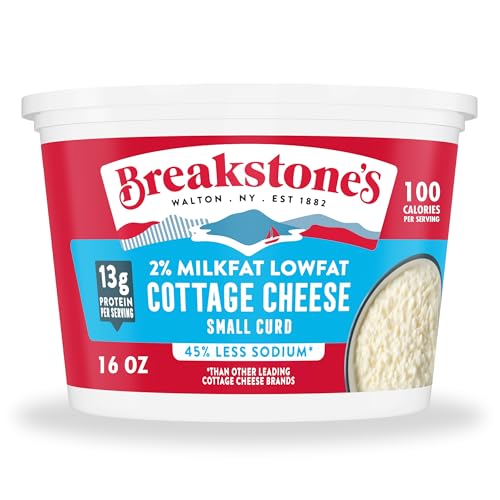
Cottage Cheese Low Fat
Excellent protein-per-dollar ratio with versatile sweet and savory applications
Cottage cheese mixes well into both sweet and savory dishes. Add it to smoothies for a thick, creamy texture. Top with berries and a drizzle of honey for a high-protein dessert.
Mix it into scrambled eggs before cooking for extra creaminess and protein.
Some brands add gums and stabilizers for texture. Check the ingredient list if you prefer minimal processing. Good Culture and Daisy are two brands with short ingredient lists.
Frozen Chicken Breast
Individually frozen chicken breasts cost more per pound than fresh bone-in thighs, but they offer convenience and zero waste. A 2.5-pound bag runs competitively priced to competitively priced and contains 6 to 8 breasts.
Each breast provides 40 to 50 grams of protein depending on size.
Thaw overnight in the fridge or use the defrost setting on your microwave. Cook from frozen by adding 50% more cooking time. Bake at 375°F for 40 to 50 minutes until internal temp hits 165°F.
The individually frozen format means you can pull exactly the amount you need without thawing an entire package.
Frozen chicken breast works well for meal preppers who cook protein in large batches. Grill or bake 6 to 8 breasts on Sunday, slice, and store in portioned containers. Pair with roasted vegetables and sweet potatoes for a complete macro-friendly meal.
Protein Per Dollar Rankings

When ranked strictly by grams of protein per dollar spent, the hierarchy looks like this:
- Eggs: 24 to 28 grams per dollar
- Canned tuna: 20 to 30 grams per dollar (depending on sales)
- Whole pork loin: 80 to 90 grams per dollar (bulk purchase)
- Bone-in chicken thighs: 45 to 55 grams per dollar
- 93% ground turkey: 18 to 22 grams per dollar
- Cottage cheese: 21 to 28 grams per dollar
These rankings shift based on regional pricing and seasonal sales. Track your local grocery store’s weekly ads and stock up when prices drop.
A deep freezer pays for itself within six months if you buy meat in bulk during sales.
Sample High-Protein Day on a Budget

Breakfast: 3 scrambled eggs with a slice of toast (18g protein). Lunch: canned tuna salad on mixed greens (25g protein). Snack: 2 hard-boiled eggs (12g protein). Dinner: 6 oz grilled chicken thigh with rice and vegetables (39g protein). Evening: 1/2 cup cottage cheese (14g protein).
Total: 108 grams of protein from affordable, whole-food sources.
Scaling to 150+ grams simply requires increasing portion sizes at lunch and dinner, or adding a second protein-heavy snack. At these per-serving costs, hitting high protein targets doesn’t require supplements or specialty products.
Add 4 ounces of cooked ground turkey to lunch for an extra 22 grams of protein. Bump dinner to 8 ounces of chicken thigh for an additional 13 grams. That pushes total protein to 143 grams without adding expensive foods.
Another option: replace the evening cottage cheese with a can of tuna. That increases the daily total to 119 grams. Add a fourth egg at breakfast and you hit 125 grams.
Portion adjustments beat buying protein powder competitively priced per serving.
Strategies for reaching 100 grams of protein apply equally well when targeting 150+ grams. The math scales linearly.
Shopping Strategy
Buy in bulk when possible. Family packs of chicken thighs save competitively priced to competitively priced per pound compared to smaller packages. Whole pork loins cost significantly less per pound than pre-cut chops.
A chest freezer lets you take advantage of loss-leader sales without worrying about spoilage.
Shop multiple stores if your schedule allows. Walmart often has the lowest everyday prices on eggs and whole pork loin. Costco beats everyone on per-pound pricing for chicken and ground turkey if you can commit to bulk quantities.
Aldi carries competitive prices on cottage cheese and canned tuna.
Stock your pantry with shelf-stable protein sources during sales. Canned tuna keeps for two years. Buy 20 cans when the price drops to competitively priced each. That’s competitively priced for 500 grams of protein, or roughly 42 grams per dollar.
Skip pre-marinated or pre-seasoned options. You’re paying for added water weight, sugar, and salt that you can add yourself for pennies. Plain chicken thighs with your own seasoning blend cost half as much and taste better.
Frequently Asked Questions
How much protein per day do I actually need?
For muscle building and maintenance, most research supports 0.7 to 1.0 grams per pound of body weight. A 180-pound person targeting muscle growth should aim for 126 to 180 grams daily.
Spreading intake across 4 to 5 meals helps with absorption.
Athletes in heavy training may benefit from the higher end of that range. Sedentary individuals maintaining muscle mass can stay closer to 0.7 grams per pound. Drawbacks of extremely high protein intake include digestive discomfort and potential kidney stress in individuals with pre-existing conditions.
Is chicken breast better than thigh for protein?
Breast has slightly more protein per ounce (31g vs 26g per 4oz serving) and fewer calories. Thigh costs less per pound and tastes better. For pure protein-per-dollar, thigh wins. For protein-per-calorie, breast wins.
If you’re in a calorie deficit trying to lose fat, chicken breast makes sense. The lower fat content lets you eat more volume for fewer calories. If you’re maintaining or bulking, chicken thighs provide better value and flavor.


