
Best Canned Tuna Brands Ranked: Budget to Premium Guide
Canned tuna is one of the cheapest, most convenient protein sources available. But the quality difference between brands is…

Canned tuna is one of the cheapest, most convenient protein sources available. But the quality difference between brands is enormous. Some taste like cat food, others rival fresh seared tuna. Here’s a ranking from budget to premium, with guidance on what to look for and what to avoid.
Disclosure: As an Amazon Associate, this site earns from qualifying purchases. Thank you!
Understanding Tuna Types

Chunk light tuna is made from skipjack, a smaller, more abundant species. It’s milder in flavor, lower in mercury, and the cheapest option. Solid white (albacore) tuna has a firmer texture, milder taste, and higher mercury content.
Albacore is technically a type of tuna, but the flavor profile and mercury levels differ enough to treat it as a separate category when shopping. Yellowfin tuna is a premium option with richer flavor, typically found in higher-end brands.
Water-packed tuna is lower in calories. Oil-packed tuna (especially in olive oil) has better flavor and a more moist texture. The oil adds calories but also helps the tuna retain its natural flavor and prevents the dry, flaky texture that water-packed sometimes has.
The choice depends on your priorities. If you’re mixing tuna into mayo-heavy salads or casseroles, water-packed works fine. If you’re eating it straight or want maximum omega-3 retention, oil-packed wins.
Understanding the different species of tuna helps you navigate label claims and pricing. Skipjack makes up the bulk of budget canned tuna. Albacore commands a premium for its white color and firm texture.
Yellowfin sits in the middle, offering richer flavor without the mercury load of albacore. Bonito, a smaller tuna variety, is prized in European brands for its delicate, almost buttery texture.
Budget Tier

StarKist Chunk Light
The most affordable and widely available brand. Quality varies by batch, but it’s consistent enough for sandwiches, casseroles, and tuna helper. Not the best for eating straight from the can.
The texture is soft and flaky, the flavor is mild bordering on bland. It does the job when you’re feeding a crowd or mixing it into pasta salad where other ingredients carry the flavor.
StarKist also offers pouches, which are convenient for travel and shelf-stable lunches. The pouch texture is slightly firmer than the canned version, but the flavor profile is identical. If you’re buying budget tuna, stock up when it goes on sale.
Bumble Bee Chunk Light
Comparable to StarKist in quality. Slightly firmer texture in some batches. A reliable budget staple for cooking applications.
Bumble Bee tends to pack their tuna a bit drier than StarKist, which some people prefer for tuna melts or recipes where you want less liquid in the mix.
Both StarKist and Bumble Bee offer solid white albacore versions at a higher price point. These are noticeably better than chunk light in texture, but still lack the depth of mid-range and premium brands. If you’re going budget, stick with chunk light skipjack and save your money for higher-quality albacore or yellowfin elsewhere.
Mid-Range
Genova Yellowfin in Olive Oil
A significant step up. Genova uses yellowfin tuna packed in real olive oil, producing a richer, more flavorful product that’s excellent on its own or in pasta. The quality rivals some premium brands.
The tuna chunks are larger, the texture is meatier, and the olive oil is good enough to use in the dish you’re making. Don’t drain it into the sink.

Genova Yellowfin Tuna in Olive Oil
Best mid-range option for flavor and texture, packed in real olive oil
Genova packs their tuna in Italy, which generally means stricter quality standards and better sourcing practices. The flavor has a mild salinity without being overly fishy. Mixed with lemon juice, capers, and pasta, this is the tuna that makes you forget you’re eating something from a can.
Wild Planet Skipjack
Wild Planet uses pole-and-line caught tuna with no added water or oil. The tuna packs in its own juices, creating a moist, clean-tasting product. Their sustainability practices are strong, and the flavor is consistently good.
The texture is firmer than budget brands, with larger chunks that hold together better in salads.
Wild Planet is one of the few brands transparent about their line-caught tuna sourcing. Pole-and-line fishing reduces bycatch and is less damaging to ocean ecosystems than industrial purse-seine nets.
If sustainability matters to you, this is where the mid-range tier shines. You’re getting better flavor and supporting better fishing practices without crossing into premium pricing.
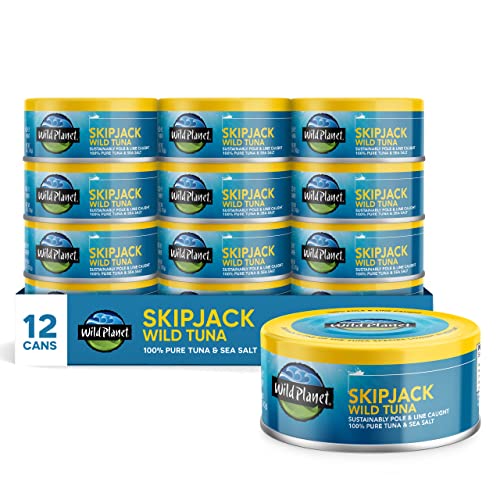
Wild Planet Skipjack Wild Tuna
Pole-and-line caught with excellent sustainability practices and no added water or oil
The no-added-liquid approach means you get more actual tuna per can. Budget brands can be 30% to 40% water by weight. Wild Planet is closer to 10% natural juices, which means better value despite the higher sticker price.
Trader Joe’s Albacore in Water
A strong performer if you have access to Trader Joe’s. Their solid white albacore in water offers excellent value. The quality is reliable, the texture is firm, and the flavor is clean.
Not as rich as oil-packed yellowfin, but a solid choice for health-conscious shoppers who want albacore without paying premium prices.
Trader Joe’s also offers a skipjack version in olive oil worth trying. It’s not quite Genova quality, but it’s close, and the price difference matters if you’re buying in bulk.
Premium Tier

Safe Catch Elite
Safe Catch tests every individual fish for mercury levels, ensuring the lowest mercury content of any brand. The tuna is hand-packed and minimally processed. Excellent flavor and texture, with the peace of mind of mercury testing.
The mercury testing is real. Safe Catch publishes their limits (0.09 ppm for skipjack, well below FDA thresholds), and they reject fish that don’t meet the standard.
If you’re pregnant, nursing, or feeding young children, this is the brand to prioritize. The flavor is clean and mild, the texture is firm without being dry, and you can eat it more frequently without mercury concerns.

Safe Catch Elite Wild Tuna
Lowest mercury content with testing on every fish, ideal for pregnant women and frequent consumption
Safe Catch also offers a Wild Albacore version with slightly higher mercury levels than their Elite skipjack but still lower than most conventional albacore brands. It’s a good middle ground if you prefer the taste of albacore but want better mercury testing.
Tonnino Yellowfin in Olive Oil
Italian-style tuna packed in glass jars with premium olive oil. Rich, meaty texture that’s closer to fresh tuna than typical canned. Excellent for salads, pasta, and eating on crackers.
The glass jar preserves flavor better than cans (no metallic taste), and the olive oil is high quality. You can use it to dress the salad you’re making.
Tonnino’s texture is what sets it apart. The chunks are large and dense, almost steak-like. This is tuna you can slice and serve on a platter with olives and cheese.
The flavor has depth without being fishy. A jar goes further than you’d expect because the richness means you use less per serving.
The premium here isn’t just marketing. Tonnino sources yellowfin carefully, packs it within hours of catching, and uses minimal processing. You’re paying for quality control and ingredient sourcing, not just branding.
Ortiz Bonito del Norte
Spanish white tuna (bonito) packed in olive oil. Ortiz is widely considered the gold standard for canned tuna worldwide. The texture is buttery, the flavor is complex, and the olive oil becomes part of the eating experience.
Ortiz packs bonito del norte, a small white tuna species found in the Bay of Biscay. The meat is pale, almost ivory, with a delicate texture that melts on the tongue.
This isn’t tuna for sandwiches. This is tuna you serve on good bread with tomatoes and salt, or toss with high-quality pasta and nothing else.
The olive oil in Ortiz cans is worth keeping. Some people save it for salad dressings or dipping bread. It’s infused with tuna flavor and carries the richness of the fish.
If you’ve only eaten budget tuna, trying Ortiz once will recalibrate your understanding of what canned tuna can be.

Ortiz Bonito del Norte
Gold standard Spanish white tuna with buttery texture and premium olive oil
Stocking up on quality tuna in bulk offers the best per-can value. A multi-pack of olive oil tuna brings the per-serving cost down while keeping quality high. Buying 12-can cases of mid-range brands like Genova or Wild Planet can drop the per-can price significantly compared to single-can grocery store prices.
Mercury Concerns
Chunk light (skipjack) tuna has the lowest mercury content. Albacore has moderate mercury. Yellowfin falls between the two.
The FDA recommends 2 to 3 servings of low-mercury fish per week for most adults. Pregnant women should stick to chunk light and limit albacore to 1 serving per week.
Mercury accumulates in larger, longer-lived fish. Skipjack tuna are smaller and younger, so they accumulate less mercury over their lifespan. Albacore live longer and grow larger, concentrating more mercury in their tissues. Yellowfin sits in the middle, both in size and mercury levels.
Safe Catch addresses this by testing every fish and rejecting those above their strict thresholds. If you want albacore but need lower mercury, their tested albacore is the best option. Otherwise, stick with skipjack for regular consumption and treat albacore or yellowfin as occasional upgrades.
Children and pregnant women should err on the side of caution. The developing brain is more vulnerable to mercury exposure. Chunk light skipjack is the safest choice for frequent consumption in these populations.
For more guidance on safe fish during pregnancy, mercury levels vary widely across species, and understanding the differences matters.
What to Look For on Labels
“Dolphin-safe” is standard but doesn’t tell you much about quality or sustainability. Look for pole-and-line or troll-caught labels if you care about bycatch reduction.
MSC (Marine Stewardship Council) certification indicates sustainable sourcing practices, though not all good brands bother with certification.
Check the ingredient list. Quality tuna should list tuna, oil or water, and salt. Anything else (vegetable broth, hydrolyzed protein, soy protein) is filler and a red flag. Some brands add these to bulk up weight or mask poor-quality fish.
Country of origin matters. Italian, Spanish, and Portuguese tuna tends to be higher quality, packed closer to source, and subject to stricter food standards. Tuna packed in Thailand or other Southeast Asian facilities isn’t inherently bad, but quality control varies more widely.
Can size affects value. A 5-ounce can is standard, but some premium brands sell 3-ounce or 4-ounce cans at similar prices to budget 5-ounce options. Check the per-ounce price, not just the sticker price. Pouches often cost more per ounce than cans despite the convenience factor.
Best Uses by Type
Budget chunk light is for casseroles, tuna helper, and recipes where the tuna is heavily seasoned or mixed with other ingredients. The mild flavor won’t stand up on its own, but it absorbs flavors well and stretches your food budget.
Mid-range yellowfin or sustainably caught skipjack works for tuna salad, Niçoise salad, and pasta dishes where tuna is a primary ingredient. The better texture and flavor justify the cost when tuna isn’t just a background protein.
Premium tuna is for eating straight, serving on crackers, or using in dishes where tuna is the star. Think tuna conserva plates, simple pasta with lemon and olive oil, or high-quality tuna melts where the tuna quality makes or breaks the dish.
You’re paying for flavor and texture that budget tuna can’t match.
If you’re cooking seared tuna or making sushi, canned isn’t the right choice. Fresh or frozen sushi-grade tuna is required for raw preparations. Canned tuna is fully cooked during processing, so the texture and flavor are fundamentally different from fresh.
Storage and Shelf Life
Unopened canned tuna lasts 3 to 5 years when stored in a cool, dry place. The “best by” date is conservative. Canned tuna stored properly remains safe to eat well past that date, though flavor and texture may degrade slightly after the first few years.
Heat and humidity are the enemies. Store canned tuna in a pantry or cupboard away from the stove and dishwasher. Avoid garages


