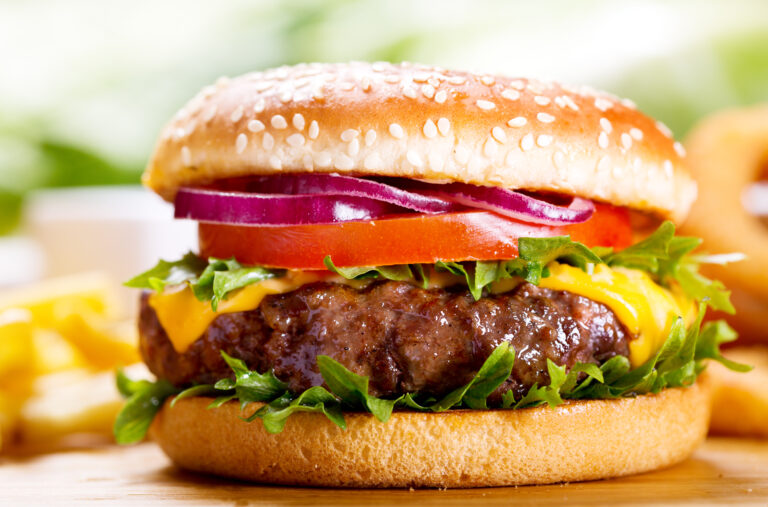
Ground Beef Ratios Explained: 73/27, 80/20, 85/15, 90/10, 93/7
The numbers on ground beef packaging (73/27, 80/20, 85/15, 90/10, 93/7) tell you the lean-to-fat ratio, and choosing the…

The numbers on ground beef packaging (73/27, 80/20, 85/15, 90/10, 93/7) tell you the lean-to-fat ratio, and choosing the right one makes a real difference in flavor, texture, and what you pay at the register. Each ratio has an ideal use, and buying the wrong one for your recipe wastes money or produces a disappointing result.
Disclosure: As an Amazon Associate, this site earns from qualifying purchases. Thank you!
What the Numbers Mean
The first number is the percentage of lean meat; the second is the percentage of fat. An 80/20 package is 80% lean meat and 20% fat by weight. Higher fat content means more flavor and juiciness but more shrinkage during cooking. Lower fat content means leaner results but a drier, less flavorful product.
The USDA regulates these labels. Any package labeled “ground beef” can legally contain up to 30% fat (70/30). Labels that say “lean” must be at least 90/10, and “extra lean” must be at least 93/7. If a package just says “ground beef” without a ratio printed on it, assume it’s somewhere between 70/30 and 80/20.
Fat isn’t filler. It carries flavor compounds and creates the Maillard reaction’s savory crust when you sear beef in a hot pan. The marbling in a ribeye steak works the same way. Ground beef mixes that fat throughout, so every bite gets some. That’s why a 90/10 burger tastes noticeably different from an 80/20 burger, even with identical seasoning.
73/27: The Richest Option

This is the fattiest ground beef commonly sold and the cheapest per pound, usually running competitively priced to competitively priced less than 80/20 at most stores. It’s ideal for dishes where the fat enhances flavor and you’re either draining the grease or it gets absorbed into the dish: chili, meat sauces, sloppy joes, and meatloaf where extra moisture matters.
Not great for burgers because the high fat content causes extreme shrinkage and grease-heavy results. Patties lose about 30% of their weight during cooking. A quarter-pound raw patty shrinks to around 2.8 ounces cooked. You’ll also end up with a pool of rendered fat on your grill or pan.
For chili or Bolognese, 73/27 works beautifully. Brown it hard in the pot, then drain off most of the fat before adding your other ingredients. You keep the deep beef flavor without the grease slick. The same trick works for taco meat, though you’re paying for fat you’re throwing away.
73/27 is often sold in 5-pound or 10-pound tubes at warehouse clubs. If you’re making a big batch of chili or meat sauce for freezing, the price advantage adds up. Just portion and freeze the cooked product within two hours of finishing.
80/20: The All-Rounder

This is the go-to ratio for burgers. The 20% fat content delivers juicy, flavorful patties with good structure that hold together on the grill. It shrinks about 25% during cooking, which is manageable, and the remaining fat keeps the burger moist and satisfying. A quarter-pound raw patty cooks down to around 3 ounces, still a respectable size.
80/20 also works well for tacos, meatballs, and casseroles. It’s the most versatile ratio and the one to grab if you’re not sure what you’re making yet. Most restaurant burgers use 80/20 or something close to it.
For grilling, form 80/20 patties gently. Overworking the meat squeezes out fat and makes the texture dense. Press a shallow dimple in the center of each patty before it hits the grill. Burgers puff up as they cook, and the dimple counteracts that, keeping the patty flat instead of turning into a meatball. If you’re looking for creative ways to use ground beef on the grill beyond traditional burgers, 80/20 provides enough fat to keep everything moist without excessive flare-ups.
Cook 80/20 burgers to 160°F internal temperature for food safety. At that temp, the fat has mostly rendered and the patty stays juicy. If you go past 165°F, even 80/20 starts to dry out.
Costco’s 80/20 ground beef typically runs competitively priced to competitively priced per pound depending on your region. Walmart and Aldi are usually within 50 cents of that. Local butcher shops charge more, often competitively priced to competitively priced per pound, but some grind custom blends or use specific cuts like chuck-only grinds for richer flavor.

Meat Thermometer
Essential for cooking burgers to the perfect 160°F without guessing
85/15: The Compromise
A moderate option that works for people who want slightly less fat than 80/20 but more flavor than 90/10. It’s decent for burgers, though slightly less juicy than 80/20, and good for meatloaf and stuffed peppers.
85/15 shrinks about 20% during cooking. That’s not a huge improvement over 80/20’s 25%, but it can matter if you’re making sliders or small patties where every bit of size counts.
This ratio tends to be priced within 30 to 50 cents per pound of 80/20, so you’re not saving much money. The flavor difference is subtle. Most people can’t tell 85/15 from 80/20 in a blind taste test, especially if the burger has toppings and condiments.
Where 85/15 shines is meatloaf. You get enough fat to keep the loaf moist without it swimming in grease at the bottom of the pan. Mix it with breadcrumbs, eggs, and diced onions, and the final texture holds together cleanly when you slice it.
For stuffed peppers, 85/15 mixed with rice, tomato sauce, and cheese gives you a filling that isn’t greasy but still tastes rich. The pepper itself adds moisture, so you don’t need the extra fat from 73/27 or 80/20.
90/10: The Lean Choice

Best for dishes where you drain the fat anyway: taco meat, spaghetti sauce, and any recipe where you brown the beef and pour off the grease. Since you’re discarding the fat, there’s no point paying for the extra fat in 80/20. You’d just be pouring money down the drain.
Too lean for great burgers. Patties made from 90/10 tend to be dry and crumbly unless you add a binder or extra moisture. Some people mix in a beaten egg or a tablespoon of Worcestershire sauce to compensate, but at that point you’re engineering around a problem you could avoid by just using 80/20.
90/10 costs more per pound than 80/20, usually 50 cents to competitively priced more. That makes sense from a production standpoint since leaner trim is more labor-intensive to separate, but it’s frustrating when you’re buying it specifically to drain the fat.
If you’re counting calories, 90/10 has about 200 calories per 4-ounce cooked serving compared to 290 for 80/20. That 90-calorie difference matters if you’re tracking macros, but the tradeoff is noticeable dryness in anything that isn’t sauced or mixed with other wet ingredients.
For spaghetti Bolognese or meat sauce, brown the 90/10 in a hot pan, drain it, then add it back to the pot with crushed tomatoes, garlic, and herbs. The tomatoes provide all the moisture you need, and you’re not eating spoonfuls of grease with your pasta.
93/7: Extra Lean
The leanest widely available option and the most expensive per pound, often competitively priced to competitively priced more than 90/10. Use it only when leanness is the primary goal: calorie-controlled diets, very lean chili, or recipes where the beef is mixed with other moist ingredients.
For burgers, 93/7 produces a dry, dense, hockey-puck result that no amount of seasoning can save. There isn’t enough fat to create juiciness or bind the patty together properly. The meat crumbles apart when you bite into it, and the texture is gritty rather than tender.
93/7 shrinks about 10% to 12% during cooking because there’s so little fat to render out. That sounds good until you realize the tradeoff is a patty that tastes like cardboard.
Where 93/7 works is in recipes where you’re adding a lot of liquid or fat from other sources. Turkey chili with 93/7 beef, beans, tomatoes, and a splash of olive oil turns out fine because the beans and tomatoes provide moisture. You’d use 93/7 the same way in a stir-fry where the sauce coats everything.
Some people buy 93/7 thinking it’s healthier, but if you’re draining the fat from 80/20 after browning, the final calorie count isn’t dramatically different. You paid extra for leanness you achieved anyway by draining. The main benefit of 93/7 is when you’re not draining and need to minimize fat in the finished dish.
Tube vs Tray Packaging
Ground beef sold in tubes (chubs) is typically cheaper per pound than tray-packaged ground beef, often 30 to 70 cents less. The quality is the same. Both come from the same grinding process and meet the same USDA standards. The tray just costs more to produce.
One consideration: tube ground beef has a smaller surface-area-to-volume ratio, which means less exposure to oxygen and potentially slightly longer freshness. Tray packaging exposes more surface area to air, which can lead to faster oxidation and the outer layer turning brown. That brown color is harmless (it’s just myoglobin reacting with oxygen), but it looks less appealing.
If you’re buying to freeze immediately, either packaging works identically. Portion the beef into meal-sized amounts, wrap each portion in plastic wrap or freezer paper, then put them all in a freezer bag. Squeeze out as much air as possible before sealing. Ground beef stays good in a 0°F freezer for three to four months before freezer burn becomes noticeable.
A burger press makes forming consistent, uniform patties fast and easy, regardless of which ratio you choose. Uniform thickness means even cooking. If one part of the patty is thicker than another, the thin part overcooks while the thick part is still raw in the middle.

Price Comparisons by Store
Costco and Sam’s Club sell ground beef in bulk at the lowest per-