
5 Checks to Tell If Ground Beef Has Gone Bad
Ground beef that smells slightly off sends most people into a panic. Sometimes the smell means the meat has…

Ground beef that smells slightly off sends most people into a panic. Sometimes the smell means the meat has gone bad. Other times, it’s a harmless byproduct of packaging. These five checks help you make the right call without wasting perfectly good beef or risking food poisoning.
Disclosure: As an Amazon Associate, this site earns from qualifying purchases. Thank you!
1. The Odor Check
Fresh ground beef has a mild, slightly metallic, or neutral smell. A faint tangy or iron-like scent is normal. That metallic note comes from myoglobin, the protein that gives meat its red color. It’s the same compound that creates that faint blood-like scent when you open a fresh package.
A strong sour, ammonia-like, or sulfurous odor means bacterial growth has progressed past the safe point. Spoilage bacteria like Pseudomonas and Lactobacillus produce these compounds as they metabolize the meat. If the smell makes you recoil, trust that reaction and discard the meat.
Vacuum-sealed ground beef often releases a temporary sulfur or egg-like odor when first opened. This is caused by gases trapped during packaging and should dissipate within 10 to 15 minutes of air exposure. The anaerobic environment inside vacuum-sealed packaging encourages lactic acid bacteria to produce these gases, but they’re harmless and evaporate quickly. If the smell clears, the beef is fine. If it persists or intensifies, toss it.
Some people describe the vacuum-seal smell as reminiscent of hard-boiled eggs or wet cardboard. It’s startling but not dangerous. Set the opened package on a plate and let it breathe. Check it again after a quarter hour. If that funky note is gone and you’re left with a neutral or mildly beefy scent, you’re good to cook.
Store-packaged ground beef in styrofoam trays and plastic wrap rarely has this issue because the wrap isn’t airtight. The meat gets continuous air exchange, so gases don’t build up. Costco and Sam’s Club bulk packs in chub tubes (those long plastic sleeves) can show the same sulfur note as vacuum-sealed beef when first opened. Same rule applies: let it air out before making a final call.
2. The Color Check

Surface color should be bright red from oxygen exposure. That cherry-red hue is oxymyoglobin, formed when myoglobin binds with oxygen. It’s what shoppers expect and what stores optimize for by displaying meat under bright lights and using permeable packaging.
Interior color is often brownish or grayish because oxygen hasn’t reached it, which is completely normal and not a spoilage sign. This is metmyoglobin, the same protein in a lower-oxygen state. Break open a fresh package and you’ll see this color gradient: red on the outside, gray-brown in the middle. It’s chemistry, not contamination.
Widespread gray or green on the exterior surface, or any green or iridescent patches, indicates spoilage. Green hues come from bacterial pigments. Iridescence (that rainbow sheen) can sometimes appear on fresh meat due to light diffraction off muscle fibers, but when paired with off-smells or slime, it’s a red flag. If the entire exterior has turned dull gray and the meat smells sour, bacteria have consumed the available oxygen and begun breaking down proteins.
Butcher-ground beef from a meat counter often looks darker than pre-packaged supermarket ground beef because it’s ground to order and wrapped in butcher paper that limits oxygen contact. This doesn’t mean it’s older. In fact, it’s usually fresher. Judge it by smell and texture, not the muted color.
Ground beef that’s been frozen and thawed may show darker patches or a slight purplish tone. This is normal discoloration from ice crystal formation. As long as the beef was frozen promptly and thawed in the fridge, these color changes don’t indicate spoilage.
3. The Texture Check

Fresh ground beef feels moist and slightly crumbly. It should break apart easily when you press it with a finger. The fat should be evenly distributed, and the meat should hold together without being sticky.
Spoiled ground beef develops a slimy, sticky, or tacky surface film that doesn’t wash off under running water. This slime is a bacterial biofilm and is the most definitive indicator of spoilage. Bacteria like Pseudomonas and Lactobacillus secrete polysaccharides that form a slick coating. Once you feel that slippery film, the bacterial load is high enough that the meat is unsafe.
Don’t confuse slime with the natural moisture on fresh ground beef. Fresh meat may feel damp, but it won’t leave a sticky residue on your fingers. Spoiled meat will. If you touch it and your fingers slide across the surface like you’ve touched dish soap, that’s biofilm.
Rinsing the meat won’t fix this. The bacteria that created the slime are throughout the product, not just on the surface. Ground beef has far more surface area than whole cuts because grinding exposes interior meat to air and bacteria. That’s why ground beef spoils faster than steaks and why slime is such a reliable warning sign.
4. The Pack Date Check
Ground beef lasts 1 to 2 days in the refrigerator from the date of purchase. Check the packaging date (not just the sell-by date) to determine actual age. Sell-by dates tell stores when to rotate stock. They don’t tell you when the meat was ground.
Most packages include a “packed on” or “packaged on” date. Count forward from that date. If it’s been 3 days and the beef was never frozen, you’re past the safe window even if it still smells okay. Bacteria multiply exponentially. A package that seems fine on day 3 can turn by the end of day 4.
If you can’t remember when you bought it and can’t find a date, err on the side of caution. Some bulk packs and butcher-wrapped packages don’t include dates. In those cases, use the other checks aggressively. If you have any doubt about timeline plus one other red flag (faint off-smell, slight slime), toss it.
Use-by dates are manufacturer suggestions for peak quality. They’re conservative, especially for meat kept at a steady 38°F or below. A package one day past its use-by date isn’t automatically spoiled, but it’s on borrowed time. Cook it immediately if all other checks pass.
Grocery stores often discount ground beef as it approaches the sell-by date. This is a smart buy if you plan to cook it that evening or freeze it immediately. Don’t buy discounted meat with the intent to refrigerate it for another 2 days. You’re compressing an already narrow safety margin.
5. The Storage History Check
Was the ground beef left out at room temperature for more than 2 hours? Was the fridge temperature above 40°F at any point? Did the packaging have any tears or holes? Affirmative answers to any of these increase the risk of bacterial contamination, even if the visual and smell checks seem acceptable.
Bacteria double every 20 minutes in the danger zone (40°F to 140°F). Two hours at room temperature can turn safe ground beef into a bacterial incubator. If you brought groceries home and left the beef on the counter while you unloaded the rest of the car, that’s probably fine. If you got distracted and it sat out for 3 hours, it’s not.
Refrigerator temperature consistency matters more than most people realize. Older fridges or units with broken door seals can fluctuate 5 to 10 degrees throughout the day. A fridge that runs at 43°F instead of 37°F cuts ground beef’s safe storage time roughly in half. If your fridge feels barely cool when you open it, or if milk spoils faster than expected, check the internal temperature with a standalone thermometer.
Torn packaging exposes ground beef to airborne bacteria and cross-contamination from other items in the fridge. If you notice a rip when you get home from the store, rewrap the package tightly in plastic wrap or transfer it to a zip-top bag. Use it within 24 hours. If the tear happened during transport and the beef sat in a warm car for an hour, cook it immediately or discard it.
Power outages reset the safety clock. If your fridge was above 40°F for more than 4 hours during an outage, ground beef should be discarded even if it still feels cold. Bacteria growth during that window may not show immediate signs but will accelerate spoilage.
When to Toss Without Hesitation
If two or more checks raise concerns (bad smell plus slimy texture, or gray surface plus sour odor), discard immediately. Multiple red flags mean bacterial activity has progressed beyond guesswork. Don’t gamble on it.
If only one minor sign is present (slightly gray interior but smells fine), the beef is likely safe if cooked to 160°F immediately. That interior temperature kills pathogenic bacteria like E. coli O157:H7 and Salmonella. Use an instant-read thermometer inserted into the thickest part of a burger or the center of a skillet of crumbles. Visual doneness (no pink) isn’t a reliable safety indicator. Temperature is.
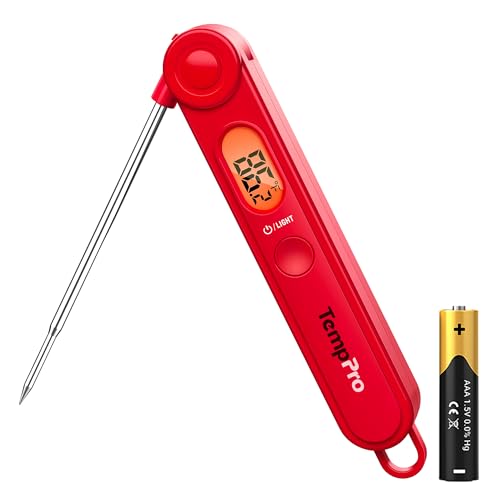
ThermoPro TP03 Digital Instant Read Thermometer
A reliable instant-read thermometer is essential for food safety. This model reads in 3-4 seconds and is accurate to within 1 degree.
Trust your instincts over dates and color. If something feels wrong (the smell is borderline but you can’t quite place it, the texture is slightly off but not overtly slimy), don’t rationalize your way into cooking it. Food poisoning from ground beef can land you in the ER. A few dollars of wasted meat is cheaper than a hospital bill.
How Grinding Affects Spoilage Speed

Whole cuts like ribeyes and chuck roasts have bacteria only on the exterior surfaces. Grinding redistributes those bacteria throughout the product. A steak seared on the outside can be safely eaten rare because the interior was never exposed to pathogens. Ground beef must be cooked all the way through because bacteria from the surface are now mixed into every bite.
This is why ground beef has a shorter fridge life than steaks. A ribeye might last 3 to 5 days refrigerated. Ground chuck lasts 1 to 2. The increased surface area accelerates oxidation and bacterial growth. Understanding why ground beef shrinks during cooking can also help you avoid overcooking while ensuring proper food safety.
Butcher-ground beef often lasts slightly longer than supermarket pre-ground because it starts fresher. Supermarkets grind in batches and package for distribution. A butcher grinds to order, so the meat spends less time between grinding and your fridge. If you have a relationship with a butcher, ask when they ground the batch. Same-day grinding gives you the longest fridge window.
Leaner ground beef (90/10, 93/7) spoils slightly faster than fattier blends (80/20, 73/27) because fat is more stable than protein. Bacteria prefer protein. The difference is minor (maybe half a day), but it’s noticeable if you regularly buy both. If you’re unsure which fat-to-lean ratio works best for your cooking needs, different ratios have distinct advantages for both flavor and shelf life.
Frequently Asked Questions
Is slightly brown ground beef safe?
Interior browning from lack of oxygen exposure is normal and safe. Exterior browning with no off-smell or slimy texture is usually just oxidation, which is cosmetic. Stores often mark down this meat, making it a smart buy if you cook it that day.
Oxidation (metmyoglobin formation) is a chemical reaction, not a bacterial one. It doesn’t make the meat unsafe. It just looks less appealing. If you’re making chili or meat sauce where the beef will be browned and mixed with other ingredients, oxidized beef works perfectly. Save the bright red stuff for burgers and meatballs where appearance matters.
Some shoppers specifically look for discounted brown-surface beef at stores like Aldi and Walmart. These packages are safe to buy if you plan to cook them within hours. Freeze them if you can’t cook immediately. Don’t refrigerate discounted meat for 2 more days expecting it to hold.


