
How to Freeze Seafood Correctly: Fish, Shrimp, Salmon & Scallops
Seafood is the trickiest protein to freeze and thaw properly. It’s more delicate than beef or chicken, and mistakes…

Seafood is the trickiest protein to freeze and thaw properly. It’s more delicate than beef or chicken, and mistakes during storage or thawing show up immediately as mushy texture, off flavors, or dry, stringy flesh. Getting the process right means you can buy seafood in bulk with confidence, whether you’re stocking up at Costco, catching your own, or hitting a sale at the butcher counter.
Disclosure: As an Amazon Associate, this site earns from qualifying purchases. Thank you!
How to Freeze Seafood Correctly

Fish Fillets
Pat fillets completely dry with paper towels. Surface moisture turns into ice crystals that damage cell structure and create mushy texture when thawed. Wrap each fillet individually in plastic wrap, pressing out all air. Place the wrapped fillets in a freezer bag or vacuum seal them.
For the best results, freeze fillets in a single layer on a sheet pan first (about 2 hours), then stack and store them. This prevents fillets from sticking together.
Thin fillets (tilapia, sole, flounder) freeze solid in 1 to 2 hours. Thicker cuts (halibut steaks, cod loins over 1 inch thick) need 3 to 4 hours. Don’t rush this step. A properly frozen fillet before bagging stays separate and portions cleanly.
For skin-on fillets, freeze skin-side down on the pan. The skin acts as a moisture barrier and helps preserve the flesh underneath.
Shrimp
If you bought already-frozen IQF (individually quick-frozen) shrimp, keep them in the original bag. For fresh shrimp, spread them in a single layer on a parchment-lined sheet pan, freeze for 1 to 2 hours, then transfer to a freezer bag. This keeps them loose so you can grab just what you need.
Don’t freeze shrimp with shells still on if you plan to peel them later. Frozen shells stick to the meat and tear chunks out when removed. Peel before freezing unless you’re cooking them shell-on.
Medium and large shrimp (31-40 count and larger) freeze better than tiny salad shrimp. The smaller the shrimp, the more surface area exposed to freezer air, which accelerates freezer burn.
Salmon
Vacuum sealing is the best method for salmon. If you don’t have a sealer, wrap tightly in plastic wrap, then again in aluminum foil, and place in a freezer bag. Double wrapping prevents the strong salmon oils from developing off-flavors during storage.
Portion salmon into meal-sized pieces before freezing. A whole side of salmon is hard to thaw evenly and forces you to use more than you need. Cut into 6-ounce portions for individual servings or 1-pound sections for family meals.
For skin-on salmon, freeze flesh-side down initially. The skin protects the delicate flesh during the freeze. If you’re interested in working with salmon beyond basic preparation, check out our guide on smoked salmon at home for another way to preserve and enjoy this fish.
Scallops
Dry-packed scallops (no added solution) freeze better than wet-packed. Wet-packed scallops are already waterlogged and turn mushy when frozen and thawed. Pat dry scallops completely dry, freeze individually on a parchment-lined pan for 90 minutes, then bag them.
Large sea scallops hold up to freezing better than small bay scallops. Smaller scallops have more surface area relative to mass, making them prone to drying out.
Whole Fish
For whole fish, rinse under cold water, pat dry inside and out, and wrap the entire fish in plastic wrap. Place in a large freezer bag or wrap again in foil. Small whole fish (trout, perch under 1 pound) freeze well. Larger whole fish take longer to freeze and thaw unevenly, creating texture problems.
Some anglers freeze whole fish in blocks of ice by filling a container with water and submerging the fish. This works for very short-term storage (under 1 month) but takes up freezer space and still doesn’t match the quality of vacuum-sealed portions.
Crab and Lobster
Freeze cooked crab and lobster meat, not raw. Extract the meat from shells, pat dry, and vacuum seal or double-wrap tightly. Raw crab and lobster don’t freeze well because their delicate flesh turns watery and loses flavor.
If freezing whole cooked lobster, wrap tightly in plastic, then foil, and bag. Use within 2 months. The texture degrades faster than extracted meat.
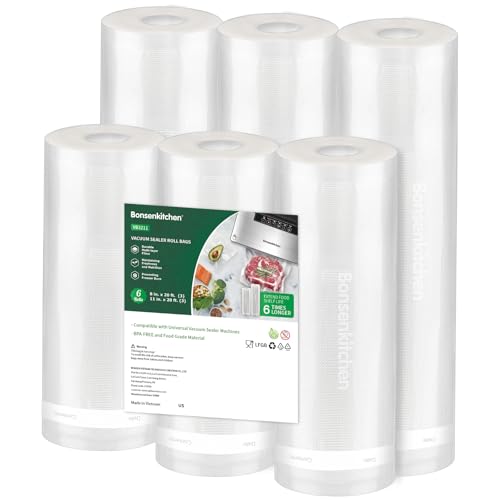
Vacuum Sealer Bags
Essential for preventing freezer burn and extending seafood storage life by months
How Long Frozen Seafood Lasts
With proper wrapping, lean white fish (cod, tilapia, pollock) lasts 6 to 8 months. Fattier fish (salmon, mackerel, tuna) lasts 2 to 3 months before the higher fat content starts oxidizing. Shrimp and shellfish last 6 to 12 months. Vacuum-sealed seafood extends all of these timeframes by 2 to 4 months.
These are quality timeframes, not safety limits. Frozen seafood stored at 0°F stays safe indefinitely, but the eating quality declines over time.
Smoked fish has a shorter frozen lifespan than raw. Smoked salmon and trout start losing moisture and developing stale flavors after 1 to 2 months, even vacuum-sealed. The smoking process dries the surface, which makes it more prone to freezer burn.
Marinated or seasoned seafood doesn’t freeze as well as plain. Salt draws out moisture, and acidic marinades start breaking down proteins even when frozen. If meal-prepping, freeze the seafood plain and add marinades after thawing. Our grilled shrimp skewers with marinade variations shows you how to add flavor after thawing for the best texture.
Safe Thawing Methods

Refrigerator Thawing (Best Quality)
Transfer frozen seafood from the freezer to the refrigerator 12 to 24 hours before cooking. This slow, controlled thaw preserves texture better than any other method. Place the seafood on a plate or in a bowl to catch any drip.
Thin fillets (tilapia, catfish under ¾ inch thick) thaw in 8 to 12 hours. Thick fillets and steaks need 18 to 24 hours. Shrimp thaw in 6 to 8 hours. Whole fish over 2 pounds may take 36 hours.
Thawed seafood stays safe in the refrigerator for 1 to 2 days before cooking, giving you flexibility in meal timing.
Cold Water Thawing (Fastest Safe Method)
Place the sealed seafood in a bowl of cold water. Change the water every 30 minutes to keep it cold. Most fillets thaw in 30 to 60 minutes. Shrimp thaw in 15 to 20 minutes. Cook immediately after thawing.
Use cold tap water, not warm or hot. Warm water thaws the surface too fast and puts it in the bacterial danger zone while the center remains frozen.
This method works only if the seafood is sealed in leak-proof packaging. Exposed seafood absorbs water, turning the texture spongy and diluting flavor. Put the seafood in a zip-top bag first if your packaging isn’t watertight.
For thick cuts (salmon steaks over 1 inch, halibut portions), cold water thawing takes 60 to 90 minutes. Check the center with your finger. If it still feels hard or icy, keep going.
Cooking From Frozen
Thin fillets (tilapia, sole) and shrimp can be cooked directly from frozen. Add 50% more cooking time compared to thawed. This works well for baking, poaching, and adding to soups. It doesn’t work well for pan-searing because the surface moisture prevents browning.
For baking frozen fillets, set the oven to 375°F to 400°F. A ½-inch fillet takes 18 to 22 minutes from frozen versus 12 to 15 minutes thawed. Use a thermometer. Fish is done at 145°F internal temperature.
Frozen shrimp can go straight into boiling water or hot pans. They cook through in 4 to 6 minutes from frozen versus 2 to 3 minutes thawed.
Cooking from frozen doesn’t work for recipes that require breading, stuffing, or marinating. You need a thawed, dry surface for those techniques to succeed. For proper sautéed results, check out our sautéed fish fillets with lemon-garlic butter recipe.
Methods to Avoid
Never thaw seafood at room temperature on the counter. The outer layer warms to bacterial danger zone temperatures (40°F to 140°F) long before the center thaws, creating food safety risks. Seafood is especially vulnerable because it starts with higher bacterial loads than land meats.
Microwave thawing is a last resort. It creates hot spots that partially cook some sections while others remain frozen. If you must use the microwave, use the defrost setting and cook the seafood immediately after. Check every 60 seconds and rotate or flip the seafood to promote even thawing.
Running seafood under hot water seems fast but ruins texture. The heat denatures proteins on the surface, turning them rubbery before the center thaws.
Preventing Quality Loss
The biggest enemy of frozen seafood quality is dehydration (freezer burn). Vacuum sealer bags eliminate air exposure entirely and are the gold standard for long-term seafood storage.
Press out every possible pocket of air before sealing if using standard freezer bags. The less air in contact with the seafood surface, the longer it retains quality.
Freezer burn shows up as white, dry patches on the surface. It’s safe to eat but tastes stale and has a cottony texture. Trim off freezer-burned sections before cooking.
Store seafood in the coldest part of your freezer, usually the back of the bottom shelf. Door shelves and top shelves experience more temperature fluctuations from opening and closing, which accelerates quality loss.
Label every package with contents and freeze date. Frozen seafood all looks the same after a few weeks, and you need to track how long it’s been stored to use it within quality windows.
Don’t overload your freezer. Packed freezers restrict airflow, causing uneven freezing and longer freeze times. Leave space around new packages for the first 24 hours to let cold air circulate.
Common Freezing Mistakes

Freezing seafood that’s already past its prime doesn’t reset the clock. If the fish smells strong or feels slimy before freezing, it will be worse after thawing. Freezing pauses decomposition but doesn’t reverse it.
Refreezing thawed seafood multiple times breaks down cell structure with each freeze-thaw cycle. The texture turns progressively mushier. Freeze in portion sizes you’ll use in one meal to avoid this problem.
Using cheap, thin freezer bags lets air seep in over time. Spend the extra dollar on name-brand freezer bags rated for long-term storage. The thicker plastic makes a measurable difference after 3 months.
Stacking unfrozen packages on top of already-frozen seafood thaws the older packages slightly, creating ice crystals. Freeze new additions separately until solid, then stack them.
Buying Frozen vs. Freezing Fresh
Much of the “fresh” seafood at grocery stores was previously frozen and thawed for display. The label usually says “previously frozen” in small print if this is the case. Don’t refreeze this seafood. The quality has already taken one freeze-thaw hit.
Buying frozen IQF seafood directly is often higher quality than buying “fresh” that’s been thawed. Commercial flash-freezing at very low temperatures (-40°F) preserves texture better than home freezers can. IQF shrimp, scallops, and fish fillets freeze within hours of harvest, locking in peak freshness.
At warehouse stores like Costco and Sam’s Club, frozen seafood is cheaper per pound than fresh and eliminates the pressure to use it immediately. A 2-pound bag of frozen shrimp offers better value than “fresh” shrimp at the seafood counter that was likely frozen on the boat anyway.
Freeze it the same day you bring it home if buying truly fresh seafood (never frozen). Quality drops fast. Fish that’s 1 day old freezes better than fish that’s 3 days old.

Freezer Bags Gallon Size
Heavy-duty freezer bags are essential for preventing air exposure and protecting seafood quality during storage
Frequently Asked Questions
Can I refreeze thawed seafood?
You can safely refreeze it if thawed in the refrigerator, though the texture will suffer from ice crystal damage. Cook it first before refreezing if thawed in water or at room temperature. Each freeze-thaw cycle makes the texture worse, so avoid refreezing whenever possible.
Why does my frozen fish taste fishy?
Oxidation of the fish oils during frozen storage causes off-flavors. Fattier fish are more susceptible. Better wrapping (vacuum sealing) and shorter storage times minimize this issue. Frozen lean white fish is less prone to developing fishy flavors. If fish smells strongly fishy when thawed, it was either stored too long or wasn’t fresh when frozen.
Is previously frozen seafood safe to eat raw (sushi)?
The FDA recommends that fish intended for raw consumption be frozen at -4°F for 7 days to kill parasites. Home freezers typically reach 0°F, which isn’t quite cold enough. For sushi-grade fish, buy from a trusted source that specifies sushi-grade handling. Most sushi-grade tuna and salmon sold at retail was commercially frozen at much lower temperatures than home units can achieve.
Does frozen seafood lose nutrients?
Properly frozen seafood retains nearly all its nutrients. Protein, omega-3 fatty acids, and minerals don’t degrade during freezing. Some water-soluble vitamins (B vitamins) may decrease slightly during long storage, but the loss is minimal within the recommended storage windows.
How can I tell if frozen seafood has gone bad?
Freezer burn (white, dry patches), strong fishy or ammonia smells when thawed, and slimy texture are signs of degraded quality. Discard it if the seafood smells sour or rotten. Properly stored frozen seafood shouldn’t smell strongly when thawed. A mild ocean scent is normal; anything sharp or off-putting isn’t.
Can I freeze seafood in marinade?
You can, but it’s not ideal. Acidic marinades start breaking down proteins even when


