
Smoked Cream Cheese: The Cheap Appetizer That Vanishes Fast
One block of cream cheese, a little rub, and about two hours on the smoker. That’s really all it…

One block of cream cheese, a little rub, and about two hours on the smoker. That’s really all it takes to make an appetizer that people will talk about long after the party ends. Smoked cream cheese has become one of those low-effort, high-reward things that belongs in every backyard cook’s rotation, right up there with the best budget-friendly smokes you can pull off without breaking a sweat.
If you haven’t tried it yet, here’s what you’re missing: the outside develops a slightly firm, almost bark-like crust while the inside turns warm, creamy, and spreadable. Serve it with crackers and a crowd will demolish it in under ten minutes. Pair it with a full spread and it fits right in alongside your best charcuterie board ideas. This guide covers everything you need to know, from scoring the block to picking toppings and nailing your timing.
Disclosure: As an Amazon Associate, this site earns from qualifying purchases. Thank you!
How to Prep the Cream Cheese (Scoring Matters)

Start with a standard 8-ounce block of full-fat cream cheese. Don’t use the whipped kind. It won’t hold its shape on the grates and the texture after smoking won’t be the same.
Before you apply any rub, score the top of the block in a crosshatch pattern. Use a sharp knife and cut about a quarter inch deep. This does two important things: it gives the rub more surface area to cling to, and it lets the smoke work its way into the cheese rather than just sitting on the outside.
Set the block on a small piece of foil, a cedar plank, or in a small cast iron pan. Keeping it off the grates directly makes it easier to move and prevents any sticking. A small cast iron skillet works perfectly here and doubles as a serving dish.

Cast Iron Skillet
A small cast iron skillet is ideal for smoking cream cheese and goes straight from the smoker to the table as a serving dish.
Once the block is on its surface, drizzle a light coat of olive oil or spray it with cooking spray. This helps the rub adhere instead of just falling off when you press it in.
Rub Options: Sweet vs Savory

This is where you make the call on flavor direction. Both work beautifully, and you honestly can’t go wrong either way.
Savory Builds
For savory, use a BBQ rub with a little heat. Something with smoked paprika, garlic powder, onion powder, black pepper, and a pinch of cayenne hits perfectly. Press it firmly into the scored sections so it packs in rather than sitting loose on top.
After smoking, top it with a spoonful of pepper jelly or a drizzle of hot honey. The contrast between the savory smoke and the sweet heat on top is what makes people go back for thirds. You can also add everything bagel seasoning instead of a BBQ rub if you want something with a sharper, more onion-forward flavor.
Sweet Builds
For sweet, mix brown sugar, cinnamon, and a little smoked paprika. The paprika keeps it from being cloying and adds a subtle smoky depth even before the smoke hits it. After it comes off, top with honey, crushed pecans, or a spoonful of jam.
This version pairs well with graham crackers and sliced apples. It leans more dessert-adjacent, which can be a nice contrast if you’re serving it alongside heavier savory options at a cookout. For a full summer spread, this fits right into a summer grilling menu without feeling out of place.
Smoke Temperature and Timing

Set your smoker to 225°F. That’s the sweet spot. Too low and you won’t get enough color or crust development. Too high and the cheese melts into a puddle before the smoke can do anything useful.
Two hours is the standard. At the 90-minute mark you can start checking it. You’re looking for a slightly firm, golden-to-amber crust on the outside with the inside still holding its block shape but noticeably soft when you press it with a spoon.
For wood, go with something mild. Apple, cherry, or pecan all work well. Hickory or mesquite can overpower the cheese, especially on a shorter cook like this. If you’re still sorting out fuel choices for your setup, our breakdown of lump charcoal vs briquettes is worth a read before your next cook.
Don’t open the lid constantly. Cream cheese is forgiving but every time you lift the lid, you lose heat and smoke. Set it, walk away, and check it once around the 90-minute mark.
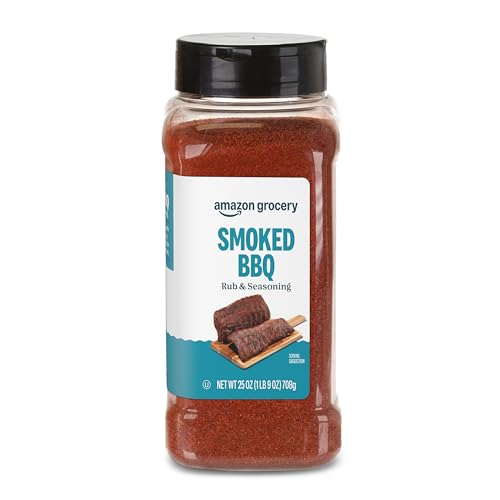
BBQ Rub Seasoning
A good all-purpose BBQ rub is all you need to season the cream cheese before it goes on the smoker.
Serving It Right

Pull the cream cheese off the smoker and let it rest for five minutes before serving. It’ll be extremely soft straight off the heat and a short rest helps it firm up just enough to stay spreadable rather than runny.
Serve it in the same pan or on a small board with an assortment of crackers, sliced baguette, or vegetables. Assorted cracker packs made for entertaining are perfect here since you get variety without buying five separate boxes.
If you want to go bigger with the presentation, build a full board around it. Smoked cream cheese anchors a board the same way a soft cheese like brie does, and it’s a fraction of the cost. Pair it with cured meats, pickles, and fruit and you’ve got a real spread. The charcuterie board ideas on this site have solid inspiration for what to build around it.
Leftovers, if you somehow end up with any, keep well in the fridge for three to four days. The smoke flavor actually deepens overnight, so day-two smoked cream cheese straight from the fridge on toast is genuinely excellent.
Frequently Asked Questions
Can I make smoked cream cheese on a regular charcoal grill instead of a dedicated smoker?
Yes, and it works well. Set up a two-zone fire, put the cream cheese on the cool side, and add a small chunk of wood directly to the coals. Keep the lid on and maintain temperature around 225°F. The cook will behave the same as on a smoker, though you’ll need to manage the fire a little more actively to keep temperatures steady. A grill thermometer helps here if you don’t already have one.
Does the type of cream cheese brand matter?
Not significantly. Any standard full-fat block works fine. Store-brand versions from places like Aldi perform just as well as name brands on the smoker, and the price difference on a single block is minimal. Save the money for better crackers or toppings instead.
This article contains affiliate links. We may earn a small commission at no extra cost to you.


