
How to Read Meat Sale Cycles and Time Your Stock-Up
Most people buy meat when they need it. That approach works, but it costs more than it should. Stores…

Most people buy meat when they need it. That approach works, but it costs more than it should. Stores don’t price meat randomly. There are patterns baked into the calendar, and once you can read them, you’ll stop paying full price for things you could have bought weeks earlier at a significant discount.
This isn’t about clipping coupons or chasing loss leaders. It’s about understanding why prices move when they do, and building a buying rhythm that puts you ahead of demand instead of reacting to it. A little freezer space and some timing awareness can cut your annual meat spending considerably without changing what you eat.
Disclosure: As an Amazon Associate, this site earns from qualifying purchases. Thank you!
Why Meat Prices Have Predictable Cycles

Grocery stores operate on tight margins, and meat is one of their most volatile categories. Demand spikes are predictable because human behavior is predictable. Grilling season, holiday meals, and back-to-school dinners all drive the same cuts into high demand at the same time every year.
When demand is high, stores don’t need to discount. When demand drops off after a holiday or seasonal event, stores are left holding inventory they need to move before it ages out. That’s when markdowns happen. Your job is to shop the aftermath, not the event.
There’s also a supply-side rhythm. Processors push certain cuts at different times of year based on what cattle, pork, and poultry markets are doing. Whole chickens flood the market in late fall after demand spikes for holiday turkeys cool down. Ground beef gets cheaper in late winter when January diet trends fade. These aren’t coincidences.
The Seasonal Calendar Worth Memorizing

January and February: The Post-Holiday Dip
This is one of the best windows to buy beef. Holiday roasts are gone, Super Bowl wings and ribs are still weeks away, and stores are moving through inventory from the fourth quarter. Chuck roasts, short ribs, and even some steaks hit notable markdowns. If you’re a fan of slow cooker beef, this is the time to load up. Check out our guide to best cheap beef cuts for the slow cooker so you know exactly what to prioritize when you see clearance stickers.
Late May Through Early July: Grilling Season Peaks
This is when most shoppers pay full price or more. Demand for steaks, burgers, and ribs is at its annual high around Memorial Day and Fourth of July. Stores rarely discount during these windows because they don’t have to.
Your move here is to buy for the next grill season, not the current one. Buy what’s on sale, not what everyone else is grabbing. Chicken thighs and drumsticks, pork shoulder, and sausages often go on markdown during this period because they’re the less glamorous cuts sitting next to the ribeyes. You’ll also start to see spare ribs priced more aggressively than baby backs during this window since retailers lean on baby backs for holiday weekend promotions.
August: The Late-Summer Reset
After Fourth of July, grilling demand drops sharply. Stores are still stocked from summer ordering cycles, so there’s a surplus to move. Ground beef, pork chops, and chicken breasts tend to see their best prices of the summer during August. This is a great time to stock up on everyday proteins that freeze well.
November: Turkey Overshadows Everything Else
Whole turkeys are practically given away in November because stores use them as loss leaders to drive foot traffic. Buy multiple birds if you have the freezer space. They hold for several months frozen, and turkey is one of the most versatile proteins you can have on hand.
Meanwhile, beef and pork get a little overlooked in November. Retailers know shoppers are focused on the holiday menu, so pork loins, beef roasts, and ground beef often sit at lower prices than you’d expect. December reversal: demand for roasts and prime rib spikes hard, so buy your holiday roast in November if you can.
Post-Holiday January Cycle (Repeat)
The cycle closes where it started. Ham goes on deep discount after Easter, brisket goes on sale after Passover, and pork products get marked down after Christmas. These windows are short, often less than two weeks, so you need to move quickly.
How Stores Mark Down Meat (And How to Find It)

Understanding the markdown schedule at your specific store is worth a few weeks of observation. Most stores do their meat markdowns in the morning, often before 9 a.m., using yellow or orange reduced stickers. Packages get marked down when they’re approaching their sell-by date, not after they’ve passed it.
Marked-down meat is completely fine to freeze. The sell-by date is a retail guide, not a safety cutoff. If you freeze it the same day you buy it, you’re in good shape regardless of what the sticker says. This is how experienced frugal shoppers stretch their budgets without any sacrifice in quality.
Get to know your store’s markdown patterns. Butcher-counter staff will often tell you when they do their daily markdowns if you ask. Our article on how to use grocery store butcher counter services to save money covers this in depth, including how to request specific cuts and sizes that might get you a better deal than what’s in the case.
Buying at the Dip: What to Stock and How Much
The general rule is: buy enough to last until the next sale cycle for that cut. For most proteins, that’s roughly six to eight weeks of typical consumption. Don’t overbuy to the point where you’re eating the same thing constantly just to use inventory.
Focus your bulk buying on cuts that freeze exceptionally well: ground beef, pork shoulder, chicken thighs and drumsticks, whole chickens, and roasts. Steaks can freeze well too, but texture degrades faster than with tougher cuts. Wrap everything tightly, label it with the date, and rotate your stock.
If you’re planning to cook through your freezer stock in interesting ways, these smart grocery store strategies pair well with a cycle-based buying approach and cover a few angles this article doesn’t get into.

Chest Freezer
A dedicated chest freezer is the single most important tool for buying at the dip, giving you the capacity to stock up during sale cycles without running out of room.
A standalone freezer changes the math on bulk buying completely. Even a modest 5-cubic-foot unit fits in a garage or basement and holds enough meat to cover six to eight weeks of meals. Without one, you’re limited to whatever fits in your fridge freezer, which usually means you’re always buying at full retail price because you had no choice.
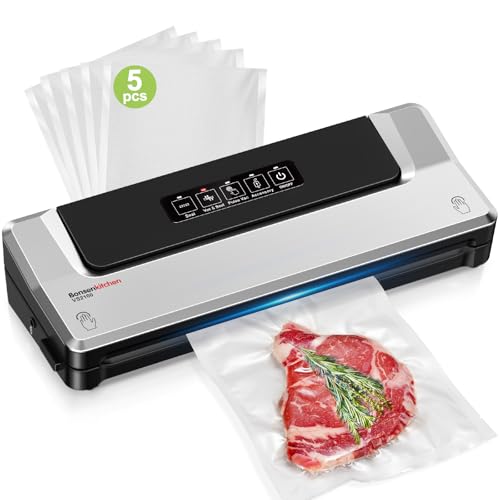
Vacuum Sealer Machine
A vacuum sealer dramatically extends freezer life for bulk meat purchases, preventing freezer burn and keeping sale-priced cuts in good condition for months.
A vacuum sealer is worth the investment if you’re buying in quantity. Freezer burn is the main enemy of bulk buying, and sealed bags dramatically outperform zip-lock bags or butcher paper for long-term storage. Most cuts will stay freezer-burn-free for six months or longer when properly sealed.
Cuts That Always Reward Patient Buyers

Not every cut responds equally to cycle buying. Some cuts are almost always cheap, while others swing dramatically based on season and demand. Knowing which is which helps you prioritize your freezer space.
Pork shoulder and pork butt are year-round value cuts, but they get even cheaper in late winter and after holidays. They’re ideal for bulk cooking and freeze brilliantly. If you’re into smoked meats, this pairs with our coverage of budget brisket alternatives like chuck roast since both benefit from the same buy-low-and-smoke strategy.
Chicken leg quarters and thighs are reliably cheap but hit their lowest prices in August and early September. Ground beef is flexible enough to use in dozens of dishes and holds well in the freezer, making it one of the highest-value things to stock up on during January and late summer lows.
For steaks on a budget, watch for end-of-week markdowns on cuts like flat iron, chuck eye, and sirloin tip. These are cuts that don’t get the same attention as ribeyes or New York strips, but they deliver real value at reduced prices. Our roundup of underrated budget steaks is worth reading before your next shopping trip so you know what to grab when you see those markdown stickers.
Frequently Asked Questions
How long can I keep sale meat in the freezer before quality drops?
Most whole cuts like roasts, pork shoulder, and chicken pieces hold well for three to six months in a standard freezer, and up to a year if vacuum sealed. Ground beef is best used within three to four months. The key is keeping your freezer at or below 0 degrees Fahrenheit and making sure packages are sealed tightly to prevent air exposure.
Is it worth buying meat at warehouse clubs like Costco during sale cycles?
Warehouse clubs have their own markdown patterns that don’t always align with grocery store cycles. They tend to offer consistent bulk pricing rather than deep seasonal swings. If you already have a membership, it’s worth comparing the per-pound price against your grocery store’s sale price. For some cuts like pork loin or chicken thighs, warehouse pricing is competitive even without a sale. For others, a grocery store markdown will beat them.
What’s the best way to track when a store’s sale cycle repeats?
Keep a simple note on your phone or a small notebook near your freezer. When you see a cut on sale, write down the cut, the store, and the approximate date. After three or four months, you’ll start seeing patterns. Most stores rotate their meat promotions on a four to six week cycle, and holiday-adjacent markdowns repeat at the same point in the calendar every year. A few months of observation gives you a working calendar you can shop against indefinitely.
This article contains affiliate links. We may earn a small commission at no extra cost to you.


