
Smoked Turkey Wings (Dino Wings) on a Budget
Turkey wings don’t get nearly enough credit at the smoker. They’re big, meaty, cheap, and when you cook them…

Turkey wings don’t get nearly enough credit at the smoker. They’re big, meaty, cheap, and when you cook them low and slow, they develop this deep, smoky bark that looks absolutely ridiculous in the best way possible. People call them “dino wings” for a reason. They look prehistoric on the plate, and they eat like a cross between a smoked chicken leg and a rack of ribs.
If you’ve been hunting for a budget-friendly smoke project that still wows a crowd, turkey wings are one of the best-kept secrets in backyard BBQ. A full bag of whole wings often costs a fraction of what you’d spend on brisket or spare ribs, and the payoff is massive. Here’s everything you need to pull them off right.
Disclosure: As an Amazon Associate, this site earns from qualifying purchases. Thank you!
Why Turkey Wings Work So Well for Smoking

Turkey wings have a lot of connective tissue and a thick layer of skin over generous dark meat. That’s exactly what you want for a long, slow cook. The collagen breaks down over time, the fat renders under the skin, and you end up with meat that pulls clean from the bone with the right amount of chew.
The cut also takes smoke beautifully. Because the skin is thick and the pieces are dense, you get real smoke penetration without the surface drying out too fast. Compare that to chicken wings, which can get leathery if you push them too long. Turkey wings have enough mass to go the distance.
For budget-conscious cooks, turkey wings are one of those underrated finds similar to the best budget brisket alternatives like chuck roast. You’re getting big flavor without the premium price tag.
Brining: Don’t Skip This Step

Turkey is lean enough that it really benefits from a brine before it hits the smoker. A brine adds moisture insurance so the meat doesn’t dry out during a 3-plus hour cook. It also seasons the meat all the way through, not just on the surface.
Basic Brine Formula
For a simple wet brine, dissolve one cup of kosher salt and half a cup of brown sugar into one gallon of cold water. Add a few crushed garlic cloves, some black peppercorns, and a couple of bay leaves if you have them. Submerge the wings completely and refrigerate for at least 8 hours, up to 24 hours. Anything over 24 hours can make the texture mushy, so don’t push it.
If you want to go deeper on brine ratios and variations, our guide to essential brine formulas for juicy chicken, turkey, and pork covers everything you need to customize for your taste.
After brining, pat the wings completely dry with paper towels. Dry skin is crispy skin. Wet skin just steams and stays rubbery.
The Dry Rub
A simple rub goes a long way here. Mix together two tablespoons of smoked paprika, one tablespoon of garlic powder, one tablespoon of onion powder, one teaspoon of black pepper, one teaspoon of cayenne (optional), and one tablespoon of brown sugar. Coat the wings generously and let them sit uncovered in the fridge for at least an hour to form a tacky pellicle that helps the smoke stick.
If you want to skip the DIY and reach for something proven, a quality all-purpose BBQ rub does the job well on poultry.

BBQ Rub Variety Pack
A variety pack lets you experiment with different flavor profiles across multiple cooks without committing to one rub.
Smoking the Wings: Time, Temp, and Wood

Set your smoker to 250°F. This is the sweet spot for turkey wings. Hot enough to render fat and develop bark, slow enough to break down connective tissue without seizing up the meat.
Plan on 3 to 3.5 hours of total cook time for whole wings. The internal temperature you’re targeting is 175°F to 185°F. Yes, that’s higher than the food safety minimum of 165°F. At 175°F and above, the collagen fully converts and the meat goes from just cooked to genuinely tender and juicy. A reliable instant-read thermometer makes this easy to nail.
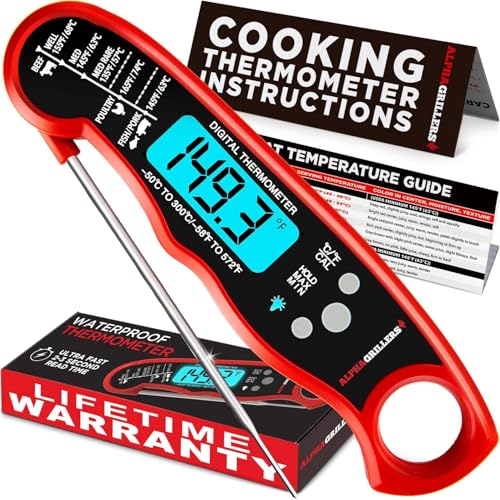
Instant Read Meat Thermometer
A fast, accurate thermometer is one of the most useful tools you can own for smoking and grilling.
For wood choice, go with something that complements poultry without overwhelming it. Cherry and apple are excellent options and produce a beautiful mahogany color on the skin. Hickory works too but use it sparingly or the smoke flavor can turn bitter on turkey. A mix of cherry and a small chunk of hickory is a solid combination.
For fuel, knowing whether to run lump charcoal or briquettes can affect how consistently you hold 250°F throughout the cook. Briquettes tend to hold more even temperatures for longer sessions, which matters on a 3-hour smoke.
The Fair-Style Glaze

State fair turkey legs are famous for their sticky, sweet-and-savory glaze. You can recreate that same vibe at home with a simple brushed-on finish in the last 20 to 30 minutes of the cook.
Whisk together half a cup of honey, two tablespoons of soy sauce, one tablespoon of apple cider vinegar, one teaspoon of garlic powder, and a pinch of red pepper flakes. Brush it onto the wings when they hit 165°F internally, then let them ride for another 20 to 30 minutes until the glaze sets and gets tacky. You can hit them with a second coat halfway through that window for a thicker finish.
Pull the wings off the smoker and let them rest for 10 minutes before serving. The carry-over heat will bring them up the last few degrees and let the juices redistribute.
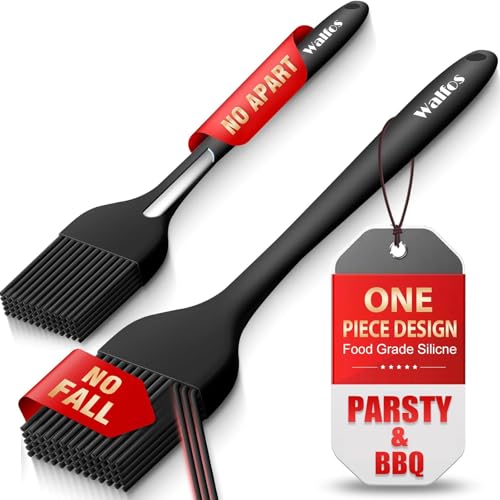
Silicone BBQ Basting Brush Set
Silicone brushes handle high heat without melting and are much easier to clean than traditional bristle brushes.
Frequently Asked Questions
Can I use a gas grill instead of a dedicated smoker?
Yes, you can absolutely do this on a gas grill using indirect heat and a smoker box or a foil packet of wood chips. Set one burner to medium-low, place the wings on the opposite side from the heat, and keep the lid closed. You won’t get quite the same bark as a dedicated smoker, but with wood chips and good temperature control you’ll get very close. Keep a wireless grill thermometer clipped to the grate to monitor ambient temp since gas grills can run hot on one end.
Do I need to separate the drumette from the flat before smoking?
You don’t have to, and cooking whole wings actually makes for a more dramatic presentation. The dino wing look comes from the whole wing intact. Leaving them whole also helps retain moisture since there are fewer exposed cut surfaces. If your smoker has limited space, you can separate them, but you may want to shorten the cook time by about 30 minutes and check the internal temp earlier.
Serving Ideas
Smoked turkey wings are a standalone showstopper


