
5 Differences Chicken Breast vs Tenderloin for Better Meal Choices
Chicken breast and tenderloin offer unique flavors and textures, with chicken breast being leaner and versatile for various cooking methods, while tenderloin is tender and quick-cooking, making both cuts suitable for different recipes and dietary needs.
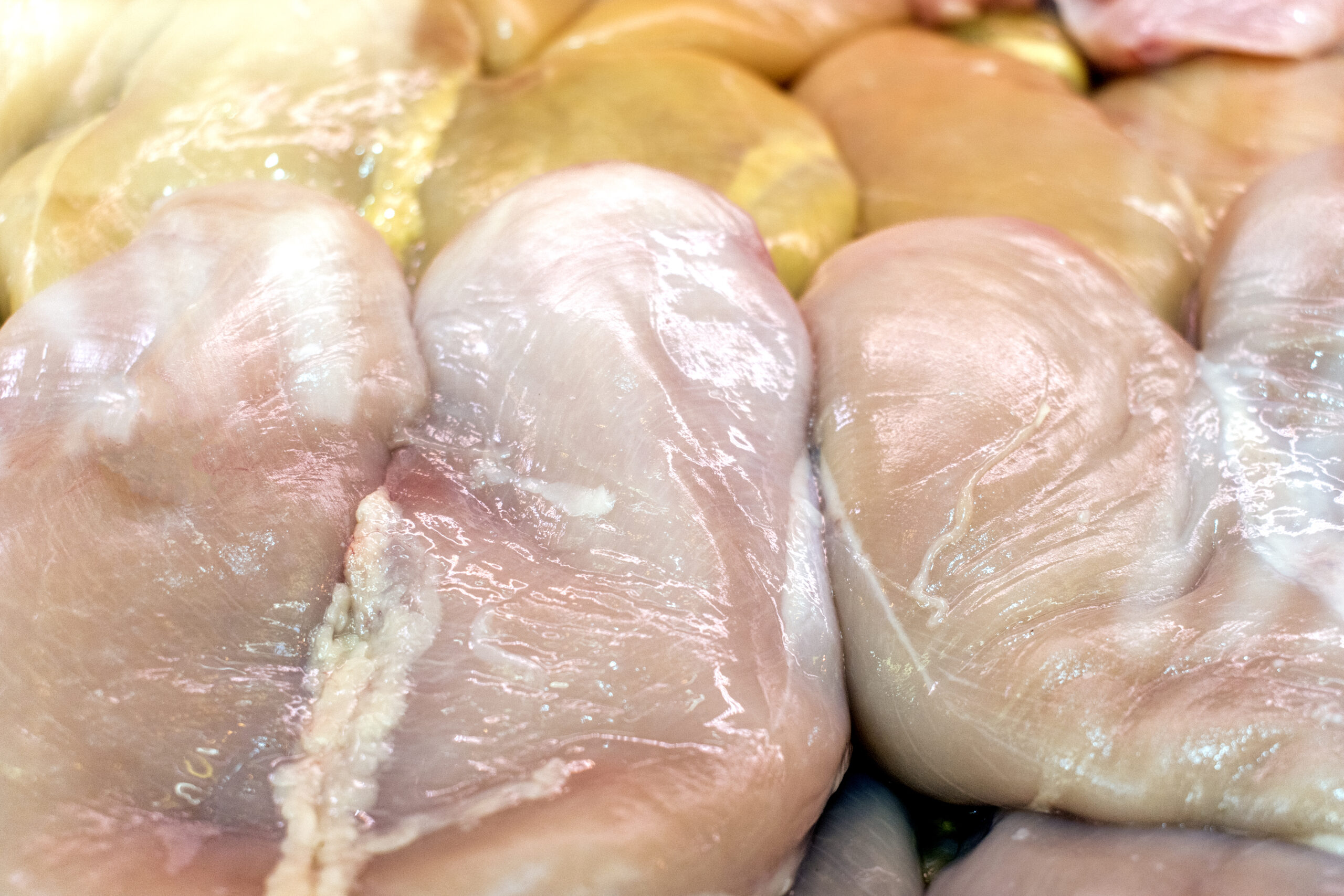
When you’re navigating the poultry aisle, the choice between chicken breast and tenderloin can seem trivial at first glance. However, despite their similarities, these cuts have distinct differences in fat and sodium content, making each uniquely suited for different recipes and dietary preferences.
Disclosure: As an Amazon Associate, this site earns from qualifying purchases. Thank you!
Understanding the Anatomy: Where Do These Cuts Come From?
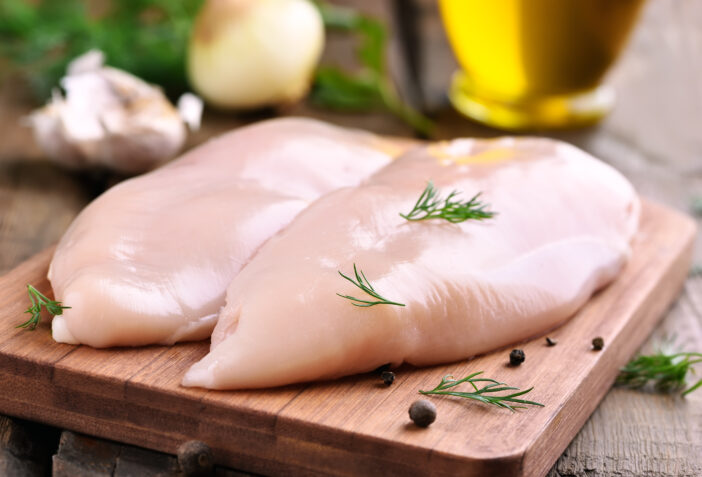
Diving deeper into the chicken anatomy, you’ll see why different parts of the chicken suit certain dishes best. Let’s dissect this further.
Chicken Breast Explained
Chicken breasts are the most recognized cut of chicken worldwide. They’re harvested from the chest of the bird, providing a large, lean piece of meat. With its low fat and high protein content, chicken breast supports a healthy diet and suits a variety of cooking methods, from grilling to baking. It’s this versatility and health appeal that make chicken breasts a staple in meals focused on nutrition and ease of preparation. Given its size, the breast offers ample servings when cooked whole but also adapts well to being sliced or diced for recipes requiring smaller pieces. Understanding the various chicken cuts and their best uses can help you make more informed decisions when shopping for poultry.
Tenderloin Defined
The tenderloin, on the other hand, is a specific cut of meat that’s often overshadowed by the more prominent breast but is equally prized for its tenderness. It’s a small, thin strip of muscle tucked just beneath the breast. Because it’s less worked than other muscles, the tenderloin lives up to its name, offering a softer texture that’s ideal for quick cooking. This cut is especially favored for dishes like stir-fries or skewers, where its delicate nature can shine. Chicken tenderloins are a choice pick for those seeking the health benefits of white meat, coupled with a guarantee of moist, tender bites every time.
Nutritional Showdown: Chicken Breast vs Tenderloin
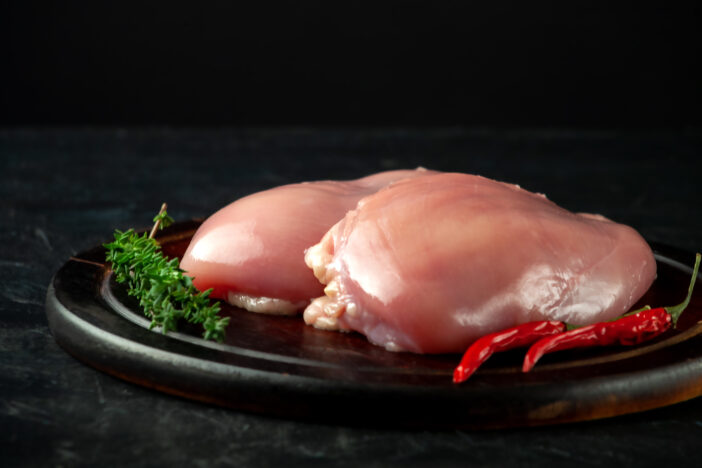
When it comes to choosing between chicken breast and tenderloin, you’re probably wondering which option is better for your diet. Let’s dive into the nutritional aspects of these popular poultry picks to determine which one reigns supreme in terms of protein, calories, and essential nutrients.
Protein Content Comparison
Regarding protein, both chicken breast and tenderloin are excellent choices, but there’s a slight difference. A typical chicken breast offers about 31 grams of protein per 100 grams, while the tenderloin provides slightly less, around 22 grams for the same weight. If you’re aiming to max out on protein, chicken breast is the way to go. It’s ideal for muscle repair and growth, making it a favorite for fitness enthusiasts.
Caloric Value: Which Is Leaner?
Calories matter, especially if you’re watching your weight. Chicken breast is the leaner option, with approximately 165 calories per 100 grams. The tenderloin, while not far behind, contains about 184 calories for the same amount. That said, the difference is minimal, meaning both cuts can fit nicely into a balanced diet. However, for those counting every calorie, chicken breast takes the slight edge.
Vitamins and Minerals: A Nutritional Analysis
The battle doesn’t end with protein and calories; let’s not forget about vitamins and minerals. Chicken breasts are a powerhouse of B vitamins, particularly niacin and vitamin B6, essential for energy metabolism and cardiovascular health. They also provide a good dose of phosphorus and selenium, key for bone health and antioxidant defense, respectively.
Tenderloins, on the other hand, pack a similar nutritional punch but in slightly different ratios. They are also rich in B vitamins and minerals, though the amounts may vary slightly compared to the breast. The takeaway is that both cuts are nutritious, offering a range of beneficial nutrients.
Your choice between chicken breast and tenderloin may come down to specific dietary goals or preferences. For the highest protein and lowest calories, chicken breast is your best bet. Yet, for a tender option that still packs a nutritious punch, tenderloin won’t steer you wrong. Both cuts are versatile, and delicious, and can be a key part of a healthy, balanced diet. If you’re interested in exploring healthy cooked meat options beyond chicken, there are several other lean proteins worth considering for better nutrition.
Culinary Applications: How to Cook Chicken Breast and Tenderloin
Following an insightful comparison between chicken breast and tenderloin, focusing on their nutritional values, let’s dive into how you can maximize their culinary potential. Each cut has its recommended cooking methods to preserve its unique textures and flavors.
Best Cooking Methods for Chicken Breast
For chicken breast, versatility is key. This lean cut thrives under various cooking methods, each offering a different taste and texture:
- Grilling: Perfect for a charred, smoky flavor. Keep the skin on to retain moisture, and don’t forget to marinate for at least 30 minutes to infuse the chicken with your chosen flavors.
- Baking: For a hands-off approach, baking chicken breast at 350°F (175°C) can yield succulent results. A simple seasoning or a creamy sauce can both elevate this dish.
- Sautéing: A quick sear in a hot pan can lock in the chicken breast’s natural juices. Finish cooking over medium heat and serve immediately for the best texture.
- Poaching: Ideal for salads or shredding, poaching in broth or water at a gentle simmer can keep chicken breast tender and moist.
Ideal Cooking Techniques for Tenderloin
Tenderloin, being naturally tender and smaller in size, suits methods that respect its delicate nature:
- Stir-Frying: Quick and full of flavor, stir-frying tenderloin pieces ensures they remain succulent. Combine with your favorite vegetables for a balanced meal.
- Pan-Frying: A simple seasoning and a quick pan-frying in a bit of oil offer a golden crust while keeping the inside tender.
- Baking: Although quicker than chicken breast, tenderloins can also be baked efficiently. A lower oven temperature and a shorter cooking time prevent drying out.
- Broiling: For a speedy dinner, broiling chicken tenderloins allow for a slightly crispy exterior while the inside stays moist. Monitoring closely is key to avoid overcooking.
Whether you’re leaning towards a chicken breast or tenderloin, mastering these cooking techniques will ensure you enjoy the best these cuts have to offer. Remember, it’s not just about the cut but how you cook it that makes all the difference in your culinary adventures.
Flavor and Texture: A Taste Test Between Chicken Breast and Tenderloin
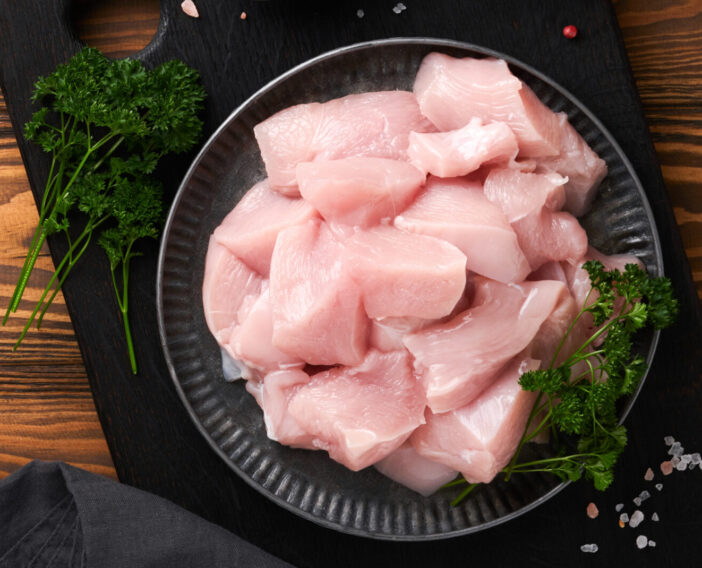
Diving into the discernible differences between chicken breast and tenderloin, you’ll find nuances in flavor and texture that can influence your next meal choice. Let’s explore what sets these two popular chicken cuts apart on your plate.
The Taste Profile of Chicken Breast
Chicken breast is celebrated for its mildness, serving as a versatile canvas for flavors. Its subtle taste means it pairs well with a wide range of marinades, spices, and sauces, easily taking on the character of your chosen seasonings. This neutrality makes chicken breast a go-to for dishes where other flavors take the lead. When considering the flavor profile, remember that cooking methods impact the taste too. Grilling, for example, can add a smokey dimension, while poaching maintains its inherent delicacy. In essence, chicken breast’s flavor adapts to your culinary creativity, making it a staple in kitchens worldwide.
The Texture and Flavor of Chicken Tenderloin
Stepping into the realm of chicken tenderloin, you’ll notice a slight edge in flavor compared to breast meat. This is due to its slightly higher fat and sodium content which, albeit minimal, enriches its taste. The tenderloins are more tender and delicate, contributing to a subtly richer experience on the palate. Much like breast, tenderloins are excellent at absorbing marinades and seasonings. Yet, their inherent flavor ensures they can stand more robustly on their own. This cut’s tenderness also means it’s less prone to drying out, offering a forgiving texture that’s both moist and satisfying. Ideal for quick cooking methods, tenderloins ensure a flavor-packed and tender bite every time.
Through this taste test between chicken breast and tenderloin, you’ve seen how both cuts offer unique culinary experiences. Whether you prioritize flavor, texture, or both, understanding these differences can help tailor your cooking to suit your taste preferences.


