
Chicken Breast vs Thigh: Price, Protein & Value Comparison
The chicken breast versus thigh debate comes down to what you value most: leanness or flavor. Breasts dominate American…

The chicken breast versus thigh debate comes down to what you value most: leanness or flavor. Breasts dominate American grocery carts because of their low-fat reputation, but thighs have been quietly winning over home cooks who’ve realized they’re cheaper, harder to overcook, and flat-out tastier in most recipes.
The numbers tell the story. Thighs cost less, deliver comparable protein per dollar, and survive kitchen mistakes that would turn a breast into cardboard. Breast still has its place, but for most weeknight cooking, thighs are the smarter buy.
Disclosure: As an Amazon Associate, this site earns from qualifying purchases. Thank you!
Price Comparison

Boneless skinless chicken thighs are consistently cheaper per pound than boneless skinless breasts. The gap fluctuates with market conditions, but thighs typically cost 20% to 40% less. Bone-in, skin-on thighs are even more affordable.
At a typical Walmart or Kroger, boneless skinless breasts run competitively priced to competitively priced per pound. Boneless skinless thighs sit competitively priced to competitively priced per pound. Bone-in, skin-on thighs drop to competitively priced to competitively priced per pound, making them one of the cheapest protein options in the meat case.
When breast prices spike (which happens during health-kick seasons like January and during beef price surges), the savings gap widens further. Thigh prices stay more stable because demand is lower and more consistent. During these spikes, the price difference can hit 50% or more.
Costco and Sam’s Club both offer bulk packs that bring per-pound costs down. A 6-pound pack of boneless skinless thighs at Costco typically runs competitively priced to competitively priced per pound. Breasts in similar bulk packs hover competitively priced to competitively priced per pound. The discount clubs narrow the gap slightly, but thighs still win.
Aldi’s prices on both cuts tend to undercut the big chains by 10% to 20%. Their bone-in thighs regularly hit competitively priced to competitively priced per pound, while boneless skinless breasts land competitively priced to competitively priced per pound.
Protein Per Dollar

Chicken breast has a slight edge in protein density: roughly 31 grams of protein per 4-ounce serving versus 26 grams for thigh. However, the lower per-pound price of thighs often gives them the advantage on a protein-per-dollar basis.
The math: competitively priced per pound for breast and competitively priced per pound for thigh, you’re paying about 13 cents per gram of protein with breast and roughly 10 cents per gram with thigh. The exact numbers shift with local pricing, but thighs generally deliver more protein for your dollar despite lower density.
For meal preppers and fitness-focused eaters tracking macros tightly, breast is the leaner option with fewer calories and less fat per serving. A 4-ounce serving of breast delivers around 165 calories and 3.5 grams of fat. The same serving of thigh contains about 210 calories and 9 grams of fat. If you’re curious about other lean cuts, chicken tenderloins offer another comparison worth exploring.
For everyone else, the protein difference is marginal enough that thighs’ other advantages (flavor, juiciness, lower cost) make them the smarter buy. The extra 5 grams of protein per serving from breast doesn’t justify the price premium unless you’re hitting very specific macro targets.
Cooking Performance
Thighs are far more forgiving to cook. Their higher fat content keeps them moist through a wider range of cooking temperatures and times. Overcooked thighs are still edible. Overcooked breasts are dry and chalky.
Pull a thigh at 165°F internal temp for safety, but thighs remain juicy even if you overshoot to 175°F or 180°F. The connective tissue and intramuscular fat keep them tender. Breasts start drying out above 165°F and turn sawdusty at 175°F.
Thighs excel in slow cookers, braises, curries, stir-fries, and on the grill. The fat renders slowly, basting the meat from the inside. A slow-cooked thigh in a curry or barbacoa holds its texture for hours without shredding into mush.
Breasts perform best when you need a lean, quick-cooking option for salads, sandwiches, and dishes where a neutral flavor base is ideal. Pan-seared breast sliced thin over greens, grilled for a sandwich, or diced into a light pasta all play to breast’s strengths.
On the grill, thighs handle direct heat better. The fat drips and causes flare-ups, but the meat itself doesn’t dry out. Breasts require more attention: moderate heat, frequent flipping, and a meat thermometer to avoid overcooking. The right marinade can make a significant difference when grilling either cut.
Reverse searing works for both cuts, but it’s overkill for chicken. For breasts, a simple high-heat sear (medium-high on a stovetop, around 400°F) for 6 to 8 minutes per side gets you to temp without drying out the exterior. Thighs tolerate longer cook times at moderate heat without penalty.
Bone-In vs Boneless Economics
Bone-in, skin-on thighs are the cheapest chicken cut by a wide margin. The bone accounts for roughly 15% to 20% of the total weight. Even after subtracting bone weight, the per-ounce cost of actual meat is still below boneless thighs in most markets.
competitively priced per pound for bone-in thighs, you’re paying competitively priced per pound of actual meat after accounting for bone weight. That’s still cheaper than competitively priced per pound for boneless thighs.
Bone-in breasts (split breasts) offer savings over boneless breasts, but the bone and rib structure is a larger percentage of total weight (about 20% to 25%). The math is less favorable than with thighs, but split breasts still beat boneless breast pricing on a per-ounce-of-meat basis.
Split breasts competitively priced per pound work out to roughly competitively priced to competitively priced per pound of meat after bone removal. That’s a decent savings over competitively priced per pound boneless breasts, but you’re doing the butchering yourself.
Deboning your own chicken is easy with a sharp boning knife. Buy bone-in, debone at home, save the bones for stock, and you get the boneless convenience at the bone-in price.
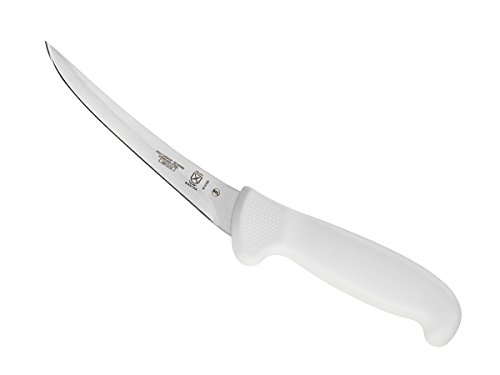
6-Inch Boning Knife
Essential for deboning chicken at home and saving money on boneless cuts
For thighs, run the knife along the bone from one end to the other, following the bone’s curve. The bone pops out cleanly. The whole operation takes 20 to 30 seconds per thigh once you’ve done a few.
For breasts, lay the split breast skin-side down and cut along the rib bones, then carefully slice under the main bone running down the center. It’s slightly more involved than thighs but still faster than most knife work in the kitchen.
The bones from both cuts make excellent stock. Roast them at 400°F for 30 minutes, then simmer in water with aromatics for 2 to 3 hours. You’ve turned kitchen scraps into stock that costs pennies per quart.
Flavor and Versatility
Thighs have a richer, more savory flavor thanks to their fat content and the myoglobin in the darker meat. They absorb marinades and sauces better than breast, making them the superior choice for dishes with bold flavors.
Marinades penetrate thigh meat more deeply because the looser muscle structure has more surface area for absorption. A 2-hour soak in a soy-ginger marinade or a yogurt-based tandoori mix transforms thighs. The same marinade on breast adds flavor to the surface but doesn’t penetrate as deeply.
Thighs also crisp up better when you leave the skin on. Roast skin-on thighs at 425°F for 35 to 40 minutes and the skin renders its fat and turns crackling-crisp while the meat stays moist underneath. Skin-on breasts can crisp, but the leaner meat underneath often dries out before the skin fully renders.
Breast is milder and takes on whatever seasoning you apply. This neutrality is a feature, not a bug, for dishes where you want the other ingredients to shine. Chicken breast in a Caesar salad or a lemon-herb preparation works precisely because the meat doesn’t compete with the seasoning.
Breasts also slice more cleanly than thighs. The firmer texture holds its shape when sliced thin for sandwiches or diced for fried rice. Thighs are softer and tend to tear or shred more easily, which works in some contexts (tacos, pulled chicken) but not when you need clean, uniform pieces.
Texture and Moisture Retention

Thighs have a softer, more yielding texture. Some people describe it as “slippery” or “silky” compared to breast’s firmer bite. That texture comes from the higher fat and connective tissue content, which breaks down during cooking and creates a moist, almost luxurious mouthfeel.
Breasts have a denser, meatier texture. When cooked correctly (not overdone), they offer a satisfying chew that holds up in dishes where you want distinct chunks of chicken rather than shreds.
Moisture retention is where thighs dominate. A thigh cooked to 175°F internal temp retains more moisture than a breast cooked to 165°F. The fat bastes the meat continuously during cooking, and the connective tissue (mostly collagen) melts into gelatin that holds moisture in the muscle fibers.
Breasts rely on precise cooking to stay moist. Pull them at exactly 165°F, let them rest for 5 minutes to allow juices to redistribute, and they’ll be juicy. Overshoot by even 5 degrees and the texture suffers noticeably.
Brining helps breasts retain moisture. A simple saltwater brine (1/4 cup salt per quart of water) for 1 to 2 hours before cooking can add 10% to 15% moisture to the meat. Thighs benefit less from brining because they’re already well-hydrated from their fat content.
Skin-On Considerations
Skin adds flavor and protects the meat during high-heat cooking, but it also adds calories and fat. A skin-on thigh has roughly 50 additional calories and 5 extra grams of fat compared to skinless.
Skin-on thighs roast beautifully. The skin crisps up and the fat renders down into the pan, creating fond that you can deglaze for a quick pan sauce. Skin-on breasts work similarly but require more careful heat management to avoid drying out the lean meat before the skin crisps.
If you’re buying skin-on and removing it at home, save the skin. Render it slowly in a pan over low heat, and you get chicken fat (schmaltz) for cooking and crispy chicken skin bits for snacking or garnish. The rendered fat is excellent for roasting vegetables or frying eggs.
Most stores charge the same per-pound price for skin-on versus skinless versions of the same cut. If you’re removing the skin anyway, you’re essentially paying for waste. In that case, buy skinless unless you plan to use the skin or save it for rendering.
Common Cooking Mistakes
The most common mistake with breasts: cooking them over high heat for too long. Breasts need moderate heat and a watchful eye. High heat sears the outside before the inside reaches temp, leaving you with a charred exterior and raw center, or you overcook the whole thing trying to get the center done.
Pan-sear breasts over medium-high heat, not high. Let them cook undisturbed for 6 to 7 minutes on the first side, flip once, then cook another 6 to 7 minutes. Use a thermometer. When they hit 160°F, pull them off and let carryover heat bring them to 165°F during the rest.
The most common mistake with thighs: not rendering the fat and skin properly. If you’re cooking skin-on th


