
Family Packs and Bulk Meat: How to Save on Protein Every Week
Family packs and bulk meat packages are one of the easiest ways to save on protein every week. Grocery…

Family packs and bulk meat packages are one of the easiest ways to save on protein every week. Grocery stores and warehouse clubs price these larger packages lower per pound because they move more volume with less packaging and labor. The trick is knowing which packs offer real savings and how to portion them for multiple meals without waste.
The price gap is measurable. Ground beef in a 5-pound family pack might run competitively priced per pound while the same grind in a 1-pound tray competitively priced. Thcompetitively priced-per-pound difference adds up to competitively priced saved on a single pack. For families buying meat weekly, those savings compound quickly without requiring coupons or sales hunting.
You’ll need solid freezer management. A family pack that sits in the fridge for five days and spoils costs more than buying smaller portions you use immediately. The value only materializes when you portion and freeze the excess the same day you buy.
Disclosure: As an Amazon Associate, this site earns from qualifying purchases. Thank you!
Ground Beef Family Packs

Three-pound and five-pound packs of ground beef (80/20) are consistently among the best value buys. The per-pound savings over 1-pound packages run from competitively priced to competitively priced depending on the store and week. At Aldi and Walmart, 5-pound 80/20 chubs frequently drop below competitively priced per pound. Sam’s Club and Costco price their 5-pound and 10-pound packs similarly when adjusted for fat content.
Buy the large pack, divide it into 1-pound portions at home, and freeze what you won’t use within two days. Ground beef holds for one to two days refrigerated after purchase, so same-day portioning is non-negotiable for anything you’re not cooking immediately.
Flatten each portion into a thin slab before freezing. Flat packs thaw in 20 to 30 minutes in cold water and stack neatly in the freezer. A gallon freezer bag holds one flattened pound with room to press out the air. For quicker weeknight use, form portions into uniform patties (quarter-pound each for four burgers per pound) before freezing. Frozen patties go straight on the grill or into a skillet without thawing.
Lean grinds (90/10, 93/7) sometimes appear in family packs, but the per-pound savings are smaller. The price premium on lean beef is steep, and family-pack discounts don’t fully offset it. If you need lean for health reasons, buy it, but 80/20 delivers better savings.
Chicken Thigh and Drumstick Trays
Family-size trays of bone-in chicken thighs or drumsticks (typically 4 to 6 pounds) are priced lower per pound than smaller packages. Bone-in, skin-on thighs and drumsticks regularly drop to competitively priced to competitively priced per pound in large trays, while smaller 2-pound packs competitively priced or more. The meat is identical. The savings come from bulk packaging.
These are the workhorses of budget meal prep. Grill, bake, or slow-cook a batch on Sunday and use the cooked meat throughout the week. Bone-in dark meat stays moist when reheated, unlike chicken breast, which dries out. You can also pull the cooked meat off the bone and use it in tacos, salads, and pasta dishes.
Divide the raw chicken into meal-sized portions (4 to 6 pieces per bag for a family of four), place in freezer bags, and freeze flat. Pull one bag per meal. Bone-in chicken freezes well for up to nine months when properly wrapped. Thaw overnight in the fridge or submerge the sealed bag in cold water for an hour.
Skin-on pieces develop better texture when roasted or grilled. The skin protects the meat and renders fat that bastes the thighs and drumsticks as they cook. If you remove the skin before cooking, you lose that self-basting effect and the meat comes out drier.
Costco and Sam’s Club also carry 10-pound cases of drumsticks priced under competitively priced per pound. These work for large families or dedicated meal preppers willing to freeze half the case immediately.
Pork Shoulder
A whole bone-in pork shoulder (7 to 10 pounds) is one of the cheapest per-pound proteins at any store. Pricing ranges from competitively priced to competitively priced per pound, depending on the retailer and sale cycle. One shoulder yields enough pulled pork for 8 to 12 servings, depending on how lean you trim it and whether you include the bark.
Slow cook the entire shoulder, then portion the pulled pork into 1-pound containers and freeze. Pulled pork reheats beautifully and works in tacos, sandwiches, rice bowls, nachos, and pizza topping. It’s one of the most versatile batch-cook proteins.
Cook the shoulder fat-cap-up at 225°F until the internal temperature hits 195°F to 203°F. That range is where the collagen breaks down and the meat pulls apart easily. Expect 1.5 to 2 hours per pound in the smoker or oven. A 9-pound shoulder takes 13 to 18 hours. Plan accordingly or start the cook the night before.
After pulling the pork, divide it into 1-pound portions while it’s still warm. Warm pork absorbs sauce better and freezes in uniform blocks that thaw evenly. Label each container with the weight and date. Frozen pulled pork holds for three to four months without a vacuum sealer, and up to 12 months when vacuum-sealed.
Boneless pork shoulder (often labeled “pork butt roast”) costs more per pound than bone-in but yields more usable meat. The bone accounts for 10% to 15% of the total weight. If boneless is only 20 to 30 cents more per pound than bone-in, the effective price per edible pound is roughly the same.
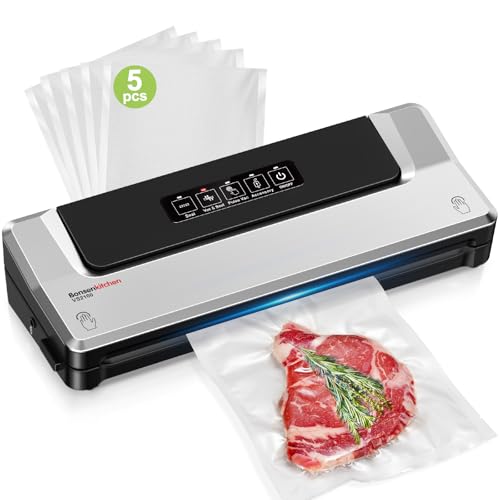
Vacuum Sealer
Extends freezer life up to 12+ months and prevents freezer burn on bulk purchases
Costco Multi-Packs
Costco’s multi-packs of pork tenderloin, chicken breast, and steaks offer premium quality at warehouse pricing. Their boneless skinless chicken breast packs (typically 6 to 7 pounds) run competitively priced to competitively priced per pound, which undercuts most grocery stores by competitively priced or more. The chicken is trimmed cleaner than supermarket packs, with less fat and cartilage.
Pork tenderloin two-packs (around 2.5 pounds total) price competitively priced to competitively priced per pound. That’s half the cost of single tenderloins at regular grocers. Slice the tenderloins into medallions before freezing, or freeze whole and cut after thawing.
Costco’s ribeye and New York strip multi-packs deliver steakhouse-grade meat competitively priced to competitively priced per pound, depending on the cut and grade (Choice or Prime). Compare that to competitively priced to competitively priced per pound at a traditional butcher counter. The portion size runs thick (1.25 to 1.5 inches), which is ideal for reverse searing but more than some families need per serving.
The key with Costco is having the freezer space and the plan to use everything. Without portioning and freezing, the large packages can lead to waste. A 6-pound chicken breast pack might become 2 pounds for stir-fry, 2 pounds for grilled meal prep, and 2 pounds frozen for later. Don’t freeze the entire clamshell unopened. You’ll end up with a 6-pound frozen brick that takes all day to thaw and forces you to use all the chicken at once.
Sam’s Club carries similar multi-packs with slightly different pricing. Their “Member’s Mark” line competes directly with Costco’s Kirkland. Price-check both if you have access to both clubs.
Whole Chicken vs. Cut-Up Packs

Whole chickens (typically 4 to 6 pounds) are often the lowest-priced option per pound, sometimes hitting competitively priced during sales. You get white and dark meat in one package. The downside is butchering time. Breaking down a whole chicken takes 10 to 15 minutes if you’re practiced, longer if you’re learning.
Cut-up family packs (mixed thighs, drumsticks, breasts, and wings in one tray) split the difference. They cost more per pound than a whole bird but less than buying each cut separately. These packs work well for families that use both white and dark meat in different meals. Separate the cuts at home and freeze by type.
If you only cook dark meat, the thigh and drumstick trays beat both whole chickens and cut-up packs on usable-meat cost. If you only cook breasts, whole chickens and cut-up packs leave you with dark meat you may not use.
Bone-In vs. Boneless
Bone-in cuts cost less per pound but yield less edible meat. Boneless cuts cost more per pound but deliver more usable protein. The price gap determines which is the better value.
Bone-in chicken thighs might be competitively priced per pound while boneless thighs are competitively priced. The bone accounts for roughly 20% to 25% of the weight, so the edible meat in bone-in thighs costs competitively priced to competitively priced per pound after adjusting for waste. That’s still cheaper than competitively priced boneless, making bone-in the better buy.
Bone-in pork chops competitively priced per pound vs. boneless competitively priced follows the same math. Bone-in wins unless you’re paying for convenience and faster cook times.
Bone-in cuts also add flavor. The bone conducts heat and releases collagen during cooking, which improves texture and moisture. Boneless cuts cook faster and portion more neatly, but they lack that depth.
How to Portion for Multiple Meals

Before freezing anything, plan your meals for the week. A 5-pound pack of ground beef might become 1 pound for burgers, 1 pound for taco meat, 1 pound for chili, and 2 pounds frozen for next week. Label every package with the contents, weight, and date. Permanent markers on freezer bags work fine. Masking tape and pen also stick to frozen plastic.
Portion sizes depend on family size and meal type. One pound of ground beef serves three to four people in tacos or pasta. Four bone-in chicken thighs serve two to three people as a main course. One pork tenderloin (1 to 1.5 pounds) serves three to four when sliced into medallons.
Freeze in the portions you’ll actually use. A family of four that eats chicken twice a week should freeze chicken in 4- to 6-piece bags, not one giant bag with 20 pieces. Single-meal portions thaw faster and eliminate the need to refreeze leftovers.
A vacuum sealer extends freezer life and prevents freezer burn. For families buying multiple value packs each week, a vacuum sealer pays for itself within a month. Vacuum-sealed ground beef, chicken, and pork hold in the freezer for 12+ months without significant quality loss. Regular freezer bags start to degrade after three to four months.
If you don’t have a vacuum sealer, press as much air as possible out of freezer bags before sealing. Submerge the filled bag in a bowl of water up to the seal line. The water pressure forces the air out. Seal the bag just before it goes under. Using these three essential steps to freeze bulk meat will help you avoid waste and maintain quality.


