
How to Freeze Bulk Meat Without Waste: 3 Essential Steps
Buying meat in bulk saves money per pound, but those savings evaporate if you waste meat to freezer burn,…

Buying meat in bulk saves money per pound, but those savings evaporate if you waste meat to freezer burn, forgotten packages, or meals you never get around to cooking. The system is simple: portion before freezing, label everything, and maintain a running inventory. Skip one of those steps and you’ll end up tossing meat you paid good money for.
Disclosure: As an Amazon Associate, this site earns from qualifying purchases. Thank you!
Portion Before You Freeze

Never freeze a bulk package as one giant block. A 5-pound tray of chicken thighs frozen together becomes a 5-pound brick that takes hours to thaw and forces you to use everything at once. Instead, divide the meat into meal-sized portions (1 to 2 pounds for most families) before freezing.
Ground beef works best pressed into flat 1-pound slabs. Flat packs thaw faster than round lumps and stack neatly. Steaks should be wrapped individually or separated with parchment paper so you can pull one or two without defrosting the whole stack. Chicken pieces go into bags of 4 to 6 pieces. Roasts can be frozen whole if you’ll cook them that way, but if you normally cut a whole pork shoulder into smaller roasts, do that before freezing.
For ground meat, press each pound into a rectangle about half an inch thick. This shape thaws in under an hour in cold water, compared to 3 or 4 hours for a thick lump. You can also score the surface with a knife in a grid pattern, making it easy to snap off a half-pound or quarter-pound portion while still frozen.
Bone-in cuts like chicken thighs or pork chops should go into bags with as much air removed as possible. Press the bag flat before sealing to eliminate air pockets. For cuts you plan to marinate later, you can add the marinade to the bag before freezing. The meat will thaw and marinate at the same time. For detailed guidance on portioning and freezing bulk meat purchases, including specific techniques for different cuts, this method ensures you maximize both quality and convenience.
Label Everything
Write the cut, weight, and date on every single package. Use a permanent marker on freezer bags or adhesive labels on vacuum-sealed packs. This takes 10 seconds per package and prevents the mystery-meat guessing game that leads to wasted food.
Some organized shoppers also note the original per-pound price, which helps track savings over time and reminds you what you paid. If you bought chicken thighs competitively priced per pound on sale, seeing that label a month later reinforces the value of buying bulk when prices drop.
The date matters more than you’d think. Meat frozen at 0°F is safe indefinitely, but quality declines over time. Ground meat holds up for 3 to 4 months before texture and flavor start to fade. Whole cuts like steaks and roasts stay good for 6 to 12 months. Knowing when you froze something helps you prioritize what to cook first.
Don’t trust your memory. A package of pork chops from three months ago looks identical to one from last week. The label is the only reliable way to track age.
FIFO Rotation System
FIFO stands for “first in, first out.” Place newly frozen packages behind or below older ones so you always use the oldest inventory first. This simple habit prevents meat from being forgotten at the bottom of the freezer for months.
Organize your freezer by protein type: beef in one section, chicken in another, pork in a third. Within each section, keep the oldest packages accessible and the newest ones further back. If you have a chest freezer, use plastic bins or wire baskets to separate categories. Label each bin and stack it so the oldest inventory stays on top.
In upright freezers, dedicate one shelf or drawer to each protein. Slide new packages to the back and pull from the front. This works the same way grocery stores stock shelves, and it prevents the scenario where you find a package from six months ago buried under fresher meat.
If you buy the same cuts regularly, group them together. All your ground beef in one bin, all your chicken breasts in another. This makes it faster to find what you need and easier to spot when you’re running low on a particular cut.
The Right Freezer Size
A family of four that buys meat weekly needs about 5 to 7 cubic feet of dedicated freezer space. A 5 cubic foot chest freezer fits in a garage or basement and runs efficiently on minimal electricity.

5 Cubic Foot Chest Freezer
Perfect size for a family of four with enough space to organize by protein type and maintain proper FIFO rotation
Chest freezers are more energy-efficient than upright models because cold air doesn’t fall out when you open the door. Cold air sinks, so opening a chest freezer lid doesn’t dump the cold out the way opening an upright freezer door does. The downside is that items at the bottom can be hard to reach, making good organization even more important.
For singles or couples, a 3 to 4 cubic foot freezer is plenty. For families buying half a cow or stocking up on multiple months of meat at once, 10 to 15 cubic feet is more realistic. Measure your space before buying. A 7 cubic foot chest freezer is typically about 32 inches wide, 22 inches deep, and 33 inches tall.
Energy cost varies by model and local electricity rates, but most chest freezers draw 200 to 250 kilowatt-hours per year. At the national average of competitively priced per kWh, that’s competitively priced annually, or competitively priced per month. Running an inefficient older freezer can cost twice that.
Manual defrost models are cheaper and more efficient than auto-defrost. The tradeoff is you’ll need to defrost once or twice a year, which involves moving all the meat to coolers, unplugging the freezer, and letting the ice melt. It takes a few hours but keeps the freezer running efficiently.
Meal Planning From Inventory
Keep a simple list of what’s in your freezer, either on paper taped to the freezer lid or in a notes app on your phone. Before your weekly grocery trip, check the inventory and plan meals around what you already have. This prevents impulse purchases of meat you don’t need and ensures nothing sits too long.
A monthly meat budget template helps: decide how much to spend each month, divide it across proteins, and buy only during sales or at bulk prices. Adjust the template each month based on what’s left in the freezer. If you have 10 pounds of ground beef but only 2 pounds of chicken, shift your budget toward chicken next month.
Some people track inventory with a whiteboard mounted near the freezer. Write down each cut and quantity, then erase items as you use them. Others prefer a shared digital list accessible to everyone in the household. Pick whatever system you’ll actually use.
Plan your week’s meals on Saturday or Sunday, check the freezer inventory, and pull out the meat you’ll need. Move it to the fridge to thaw slowly overnight. This eliminates the last-minute scramble of thawing meat under running water or resorting to takeout because nothing’s defrosted.
Bulk buying works best when you rotate through cuts instead of buying the same thing every time. If you stock up on 10 pounds of chicken thighs one month, buy pork chops or ground beef the next. This keeps meals varied and prevents freezer fatigue from eating the same cut for weeks straight.
Vacuum Sealing for Maximum Life

Vacuum-sealed meat lasts 2 to 3 times longer than meat stored in standard freezer bags. If you’re buying a month’s worth of meat at a time, a vacuum sealer is a worthwhile investment that prevents freezer burn and extends storage life to 12 to 18 months for most cuts.
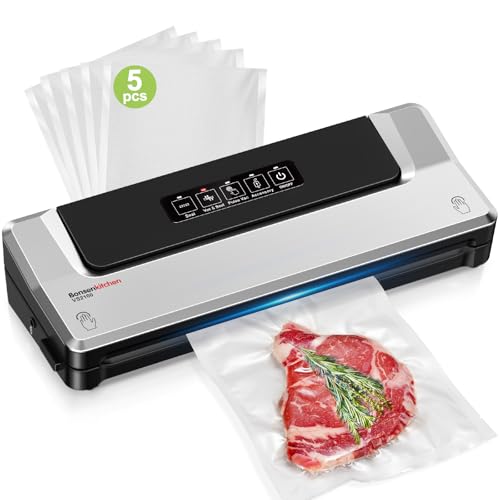
Vacuum Sealer Machine
Extends freezer life by 2-3x and prevents freezer burn. Essential for serious bulk meat buyers
Freezer burn happens when air contacts the meat’s surface, causing moisture to evaporate and leave dry, discolored patches. Vacuum sealing removes the air, eliminating the problem. The texture and flavor of vacuum-sealed meat stays consistent for months longer than meat in Ziploc bags.
Entry-level vacuum sealers work fine for occasional use. Heavy-duty models handle higher volumes without overheating. The main difference is motor strength and how many bags you can seal in one session before the machine needs to cool down. For recommendations on the best vacuum sealers for long-term meat storage, look for models that balance durability with practical features for your storage needs.
Vacuum sealer bags cost more than freezer bags, but the extended shelf life offsets the price. A roll of 50 feet of 11-inch-wide bag material seals 30 to 40 packages depending on size. The extra cost per package is worth it if it prevents expensive steaks from going to waste.
For bone-in cuts like ribs or chicken legs, wrap the sharp edges in a paper towel before vacuum sealing. Bones can puncture the bag and break the seal. Some sealers come with a “pulse” mode that lets you control the vacuum strength, which helps when sealing delicate items.
Smart Buying Strategies for Bulk Meat
Costco and Sam’s Club offer the lowest per-pound prices on bulk meat, but you need to know when to buy. Both stores mark down meat that’s approaching its sell-by date, usually in the morning. A package of ribeyes normally priced high might drop significantly if it needs to sell that day. Buy it, portion it, freeze it immediately, and you’ve locked in a substantial discount.
Family packs at regular grocery stores often beat bulk club prices when on sale. A 5-pound family pack of chicken breasts at a sale price can be cheaper than Costco’s everyday pricing. Track sale cycles at your local stores and stock up when prices drop. Learning smart ways to save money on meat at the grocery store helps you identify the best deals and time your bulk purchases for maximum savings.
Butcher shops sometimes offer bulk discounts if you ask. A whole pork loin might run one price at retail, but if you buy two or three, the butcher may drop the per-pound cost. It doesn’t hurt to ask, especially if you’re a regular customer.
Buying a quarter, half, or whole cow directly from a farm or processor gives you the absolute lowest per-pound price, typically for grass-fed beef. You’ll get a mix of steaks, roasts, ground beef, and stew meat. The downside is the upfront cost and the freezer space required (60 to 100 pounds of meat). This route only makes sense if you have the cash, the freezer, and the commitment to cook a wide variety of cuts.
Thawing Safely and Efficiently
The safest way to thaw meat is in the fridge. Move it from the freezer to the bottom shelf of the fridge 24 hours before you plan to cook it. A 1-pound package thaws in 12 to 18 hours. A 3-pound roast needs 24 to 36 hours. Plan ahead and you’ll never need to rush the process.
If you forgot to thaw in advance, cold water thawing works faster. Seal the meat in a leak-proof bag (or leave it in its vacuum-sealed pack) and submerge it in a bowl of cold water. Change the water every 30 minutes. A 1-pound package thaws in under an hour. A 3-pound roast takes 2 to 3 hours.
Never thaw meat on the counter at room temperature. The


