
4 Fast, Safe Ways to Thaw Frozen Meat for Dinner Tonight
You forgot to pull meat from the freezer last night, and dinner is in two hours. It happens to…

You forgot to pull meat from the freezer last night, and dinner is in two hours. It happens to everyone. There are fast, safe ways to thaw meat that don’t involve the dreaded countertop method (which is genuinely unsafe). Here are the four methods ranked by speed, with tested times and the specific situations where each one works best.
Disclosure: As an Amazon Associate, this site earns from qualifying purchases. Thank you!
Method 1: Cold Water Bath (Fastest Safe Method)

Place the sealed meat in a large bowl or pot and fill it with cold tap water. Change the water every 30 minutes to keep it cold. Small packages (1 to 2 pounds) thaw in 30 to 60 minutes. Larger packages (3 to 5 pounds) take 2 to 3 hours. A 7-pound frozen pork shoulder takes about 4 hours with regular water changes.
The water transfers heat to the frozen meat much faster than air does. Changing the water regularly prevents the outer surface from reaching unsafe temperatures while the center is still frozen. The fresh cold water maintains a consistent 35°F to 40°F temperature zone that keeps bacteria from multiplying while still conducting heat efficiently into the frozen core.
Keep the meat in its sealed packaging to prevent waterlogging. If the original packaging has any tears, place the meat in a zip-top bag first and press out the air. Double-check the seal. Even a small leak will let water seep into the meat, diluting flavor and turning the surface mushy.
Use a bowl large enough that the meat sits fully submerged. A half-submerged package thaws unevenly. If the meat floats, weigh it down with a plate. Set a timer for 30-minute intervals so you don’t forget the water changes. The process slows significantly if you let the water warm up.
This method works for every cut: steaks, chicken breasts, ground beef, pork chops, whole chickens, turkey breasts, and roasts. Once thawed, cook the meat immediately or refrigerate it and use within 24 hours. Don’t refreeze meat thawed in cold water unless you cook it first.
Method 2: Microwave Defrost
Use your microwave’s defrost function, which pulses power at lower wattage to thaw without cooking. Most microwaves require you to enter the weight of the meat and select the type (beef, chicken, pork). Start with the weight printed on the package. If the package is missing or unclear, estimate conservatively. Entering too high a weight is better than too low, since you can always add more time.
The drawback: microwaves create hot spots where parts of the meat begin to cook while other parts remain frozen. This uneven thawing is the least desirable texture outcome. The edges may turn gray and partially cooked, especially on ground beef and thin chicken breasts. Use microwave defrosting only when you plan to cook the meat immediately afterward. Don’t refrigerate microwave-thawed meat for later use.
Remove packaging and place meat on a microwave-safe plate. Remove any metal ties, foam trays, or butcher paper. Rotate or flip the meat halfway through the defrost cycle for more even thawing. Check the meat every 2 to 3 minutes. If you notice any sections starting to cook, stop the cycle, let the meat rest for a minute, then resume at a lower power setting.
Ground beef benefits from being broken apart as it thaws. Stop the microwave every few minutes and scrape off the thawed outer layer with a fork. Return the still-frozen core to the microwave and continue. This prevents the outer layer from cooking while the center remains rock-hard.
Microwave defrosting works best for thin, uniformly shaped cuts: chicken breasts, pork chops, individual steaks, and fish fillets. It’s least effective for thick roasts, bone-in cuts, and irregularly shaped pieces where thickness varies.
Method 3: Refrigerator Overnight (Best Quality)
The slowest method but the one that produces the best results. Transfer frozen meat to the refrigerator 12 to 24 hours before you plan to cook it. Large roasts and whole chickens may need up to 48 hours. A 20-pound turkey takes 4 to 5 days.
Refrigerator thawing maintains a consistent, safe temperature throughout the entire process. The meat thaws evenly without any texture compromise. It’s the only method where the thawed meat can safely sit in the fridge for an additional 1 to 2 days before cooking. Ground beef, stew meat, poultry, and seafood hold for 1 to 2 days after thawing. Red meat steaks and roasts last 3 to 5 days.
Place the frozen package on a rimmed plate or in a shallow pan to catch any drips as it thaws. Don’t let thawing meat drip onto other food in the fridge. Position it on the bottom shelf where the temperature is most stable and where leaks can’t contaminate items below.
The fridge method is the only one that lets you refreeze thawed meat without cooking it first. If plans change and you don’t cook the thawed chicken, you can refreeze it. The texture may suffer slightly from the second freeze cycle, but it remains safe.
This is the best approach for high-value cuts where texture matters: ribeyes, strip steaks, pork tenderloins, whole fish, and anything you’re planning to grill or sear. The slow, even thaw preserves moisture and produces the most consistent results from edge to center.
Method 4: Cook From Frozen
Many cuts can go straight from freezer to oven, slow cooker, or pressure cooker. Add roughly 50% more cooking time compared to thawed meat. A chicken breast that normally bakes in 25 minutes at 375°F takes about 40 minutes from frozen. An Instant Pot roast that pressure-cooks in 60 minutes needs 90 minutes when frozen.
This works well for thin chicken breasts, pork chops, fish fillets, and ground beef (which can be broken apart as it cooks). Frozen meatballs, sausages, and burger patties also handle direct cooking without issue. Slow cooker pot roasts, stews like hearty beef stew or venison and mushroom stew, and soups work fine with frozen meat as long as you add extra time.
Cooking from frozen doesn’t work well for thick steaks or whole roasts, where the exterior overcooks before the center thaws. A frozen 2-inch ribeye will turn gray and tough on the outside while the center remains raw. It also doesn’t work for grilling, since the frozen surface prevents proper searing. The cold meat causes flare-ups from dripping moisture, and you end up steaming the exterior instead of developing a crust.
When baking frozen chicken or pork, start at a lower temperature (325°F to 350°F) for the first half of cooking, then increase to 400°F to finish and brown the surface. This prevents the outside from drying out while the inside catches up.
Don’t cook frozen meat in a skillet on the stovetop unless it’s very thin. The cold meat drops the pan temperature, causing sticking and uneven cooking. Ground beef is the exception. Start it frozen in a cold pan over medium heat and break it apart as the edges thaw.
The Aluminum Tray Hack

Place frozen meat on an aluminum baking sheet or a defrosting tray. Aluminum conducts heat from the room air into the frozen meat much faster than a countertop or cutting board. Thin items like individually wrapped steaks and chicken breasts can thaw in 20 to 30 minutes using this method.
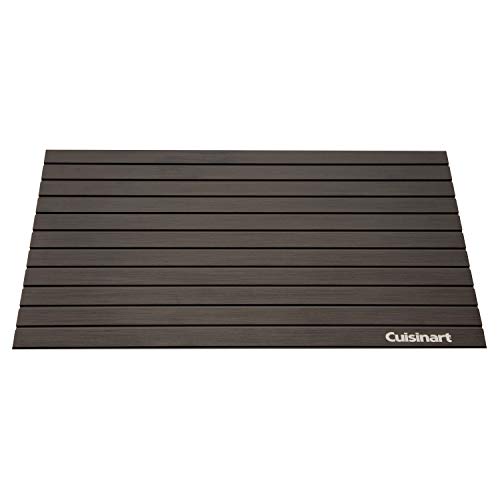
Meat Defrosting Tray
Heavy-duty aluminum conducts heat faster than wood or plastic for quick thawing of thin cuts
The trick is the thermal conductivity of aluminum. It pulls ambient heat from the room and channels it into the frozen surface at a much higher rate than wood, plastic, or stone. Thicker aluminum works better than thin foil pans. A heavy-duty rimmed baking sheet is ideal.
This method works best for thin packages. A single 8-ounce chicken breast thaws in about 25 minutes. Two stacked chicken breasts take closer to 45 minutes. It’s not effective for large roasts or thick blocks of frozen ground beef, which still take hours on aluminum. The surface area-to-mass ratio matters. Thin, flat items benefit most.
Don’t leave the meat out longer than necessary. Once thawed, refrigerate it immediately or start cooking. The aluminum hack is still a room-temperature method, so the same bacterial risk applies if you let thawed meat sit at 60°F to 70°F for an extended period.
Defrosting trays sold online are aluminum plates, sometimes anodized or coated, marketed specifically for this purpose. They work fine, but a regular aluminum baking sheet performs identically and costs less.
Why Countertop Thawing Is Unsafe

Leaving meat on the counter at room temperature allows the outer layer to enter the bacterial danger zone (40°F to 140°F) long before the center thaws. Bacteria multiply rapidly in this temperature range, and the meat can become unsafe even if the center is still partially frozen. A frozen chicken breast left on the counter reaches 50°F on the surface within an hour while the core remains frozen solid. Bacteria like Salmonella and Campylobacter double every 20 minutes at that temperature.
The surface doesn’t look or smell spoiled, which makes countertop thawing deceptively risky. The meat can harbor dangerous bacterial loads that cooking may not fully eliminate, especially if you undercook the center. Always use one of the four safe methods above.
Room-temperature thawing also produces inconsistent texture. The outer layer gets warm and starts to break down while the inside is still icy. The result is a mushy exterior and a firm, sometimes still-frozen core. You lose quality and gain risk. There’s no upside.
Frequently Asked Questions
Can I thaw meat in warm water?
Warm or hot water thaws meat faster but creates the same safety issue as countertop thawing: the outer layer reaches dangerous temperatures before the center thaws. The surface can hit 70°F or higher within 15 minutes, putting it squarely in the bacterial growth zone. Always use cold water and change it every 30 minutes.
Hot water also starts to cook the outer surface, turning it gray and mushy before the inside thaws. The texture suffers, and you gain nothing in safety.
How can I avoid the thawing problem entirely?
Move meat from the freezer to the fridge the night before as a daily habit. Set a phone reminder for the evening before your planned cooking day. Once it becomes routine, forgotten thawing becomes rare.
Another option: portion meat into single-meal sizes before freezing. A 1-pound package of ground beef or two individually wrapped chicken breasts thaw much faster than a 5-pound block. Flatten ground beef into thin, flat portions in zip-top bags before freezing. They thaw in 30 minutes using the cold water method.
Buy fresh meat the day you plan to cook it when possible. Costco and Sam’s Club restock meat cases daily. Picking up fresh chicken breasts or steaks on your way home eliminates the thawing step entirely.
Is meat quality worse after fast thawing?
Cold water thawing and refrigerator thawing produce comparable results. Side-by-side tests show no noticeable texture or moisture difference between a steak thawed in cold water versus one thawed in the fridge. Both maintain cell structure and produce even results from edge to center.
Microwave defrosting can cause some texture issues from uneven heating. The hot spots partially cook sections of the meat, creating gray, rubbery patches. If you’re cooking a high-value steak or planning to grill, skip the microwave.
Cooking from frozen is fine for most applications but produces a less even result on thick cuts. The exterior can overcook before the center finishes. For braises, stews, and slow-cooked dishes, it makes no difference. For steaks and chops where doneness precision matters, thaw first.
Can I refreeze meat after thawing?
Meat thawed in the refrigerator can be refrozen without cooking, though the texture may degrade slightly from the second freeze cycle. Meat thawed in cold water or the microwave should be cooked before refreezing. Once cooked, you can freeze it again safely.
Each freeze-thaw cycle forms ice crystals that puncture cell walls, releasing moisture and causing a slightly drier, less tender result. One cycle is fine. Multiple cycles start to noticeably affect quality, especially on lean cuts like chicken breast and pork tenderloin.
How long does thawed meat last in the fridge?
Ground meat, poultry, and seafood last 1 to 2 days after thawing. Beef, pork, and lamb steaks and roasts last 3 to 5 days. These timelines assume the meat was frozen fresh and thawed properly in the fridge. If the meat smells off or feels slimy, discard it regardless of the timeline.
Vacuum-sealed meat lasts slightly longer than meat in regular butcher paper or foam trays. The lack of oxygen slows spoilage. Once you open the vacuum seal, treat it like any other thawed meat and use it within the standard window.
Does thawing affect cooking time?
Thawed meat cooks faster and more evenly than frozen meat. A thawed chicken breast reaches 165°F in about 25 minutes at 375°F. A frozen chicken breast takes 40 to 45 minutes and requires close monitoring to avoid a dry exterior and undercooked center.
For grilling and pan-searing, thawed meat is essential. The consistent temperature from edge to center lets you develop a crust without overcooking the interior. Frozen meat steams instead of searing, and the temperature gradient ruins the result.
What’s the fastest method for a 5-pound pork shoulder?
Cold water bath, changed every 30 minutes. A 5-pound frozen pork shoulder thaws in about 3 hours. Refrigerator thawing takes 24 to 36 hours. Microwave defrosting is impractical for a cut that large. Cooking from frozen works for slow cooker pulled pork but adds several hours to the cook time.
If you’re smoking the shoulder, thaw it fully first. Frozen meat on the smoker produces uneven bark and extends the stall phase, sometimes adding 4 to 6 hours to an already long cook.
This article contains affiliate links. We may earn a small commission at no extra cost to you.


