
Should You Grind Your Own Beef? Cost, Quality, and Safety
Most home cooks buy pre-ground beef without thinking twice about it. It’s already in the case, it’s convenient, and…

Most home cooks buy pre-ground beef without thinking twice about it. It’s already in the case, it’s convenient, and it seems like a reasonable deal. But if you’ve ever had a burger made from freshly ground chuck, you know the difference is real. The texture is looser, the flavor is beefier, and the fat distributes differently when it hits a hot pan.
Grinding your own beef at home isn’t just for restaurant chefs or serious BBQ nerds. With the right setup, it can actually save you money on quality meat while giving you more control over fat ratios, freshness, and what’s actually in your ground beef. This article breaks down whether it’s worth doing, what it actually costs, and how to do it safely.
Disclosure: As an Amazon Associate, this site earns from qualifying purchases. Thank you!
The Case for Grinding Your Own Beef

When you buy pre-ground beef at the grocery store, you’re often paying a premium for convenience. A pound of 80/20 ground beef frequently costs more per pound than the chuck roast or shoulder clod that was used to make it. Buying a cheaper whole cut and grinding it yourself often works out in your favor.
Beyond cost, there’s a freshness argument. Pre-ground beef has a significantly larger surface area exposed to oxygen and bacteria than whole cuts. The sooner you grind it and cook it, the better. When you grind it yourself right before cooking, you’re working with meat that hasn’t been sitting ground in a tray for days.
You also get full control over the fat ratio. Want 75/25 for a juicy smash burger? Easy. Prefer a leaner 85/15 for tacos? Just trim more fat before grinding. Pre-ground beef gives you limited options, and the labeling isn’t always precise.
Which Cuts Work Best for Home Grinding

Chuck roast is the go-to choice for most home grinders, and for good reason. It has excellent marbling, a good natural fat ratio around 80/20, and it’s one of the more affordable beef cuts you’ll regularly find on sale. If you’re already familiar with using chuck for smoking or slow cooking (it’s a workhorse cut), you’ll find it grinds beautifully too.
For budget-focused grinding, these cuts deliver the best value:
- Chuck roast: The gold standard. Great flavor, ideal fat content, widely available.
- Short rib: Expensive but produces incredibly rich, beefy ground beef. Worth it for special-occasion burgers.
- Brisket flat or point: Rich flavor, especially if you can find it on sale. Check out budget brisket alternatives if you’re trying to stretch your dollar further.
- Sirloin tip: Leaner option if you want something closer to 90/10.
- Beef clod (shoulder): Underrated and often cheap at warehouse stores. Good mix of lean meat and connective tissue that breaks down well when ground.
Avoid anything too lean on its own. Grinding eye of round by itself will give you dry, crumbly results. If you want to use leaner cuts, blend them with something fattier like chuck.
What You Need to Get Started

You don’t need a full butcher shop setup. A decent stand mixer with a grinder attachment or a dedicated countertop meat grinder will do the job for most households.
Stand mixer attachments like the KitchenAid meat grinder attachment work well if you already own the mixer. They’re capable enough for occasional home use and grind a few pounds without complaint. However, if you plan to grind regularly or in larger batches, a dedicated electric grinder is faster and less strain on your equipment.
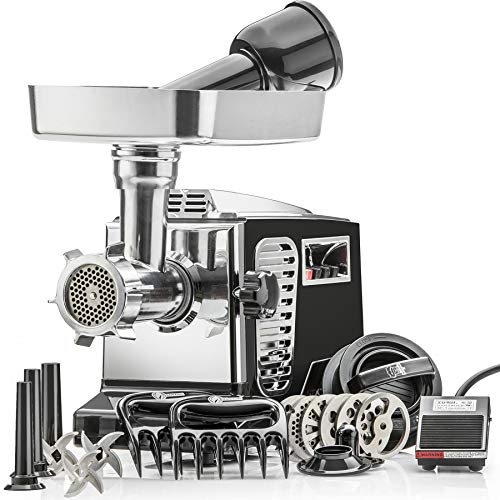
STX Turboforce Electric Meat Grinder
A mid-range workhorse that handles multiple pounds of chuck at a time without overheating, with multiple grinding plates included for different textures.
For the grind itself, a coarse plate (around 3/8 inch) followed by a medium plate (around 3/16 inch) gives you the classic double-grind texture that most people recognize from diner burgers. A single pass through a coarse plate gives you a chunkier, more rustic grind that’s excellent for meatballs or meat sauce.
You’ll also want a sharp boning knife for trimming, a cutting board dedicated to raw meat, and a sheet pan you can stick in the freezer. Keeping the meat cold throughout the grinding process is not optional, as explained in the food safety section below.

Weston Pro Series #8 Meat Grinder
Built heavier than most home grinders and handles continuous use well, making it a smart pick if you grind game meat or large batches regularly.
The Real Cost Comparison
Whether grinding at home saves you money depends on where you shop and what you’re comparing against. As a general rule, whole chuck roast tends to run cheaper per pound than pre-packaged 80/20 ground beef, especially when you catch sales. Buying in bulk from a warehouse store like Costco or Sam’s Club widens that gap further.
If you’re already making an effort to save money on meat at the grocery store, home grinding fits naturally into that strategy. Buy chuck in bulk when it’s on sale, grind what you need, and freeze the rest in one-pound portions.
The equipment cost is a real factor upfront, but a quality grinder is a one-time purchase that will last years. Spread that cost over dozens of pounds of ground beef and the math works out clearly in favor of grinding your own, assuming you use it regularly.
One more thing to factor in: you can grind trim from other cuts you buy whole. If you’re butchering a chuck roast for a stew and have trimmings left over, those become free ground beef instead of scraps. That’s a real advantage if you buy whole cuts often. For ideas on getting the most out of budget-friendly cuts, the guide to best cheap cuts of beef is a solid reference.
Food Safety: The Part You Can’t Skip

This is where home grinding requires more discipline than buying pre-ground. Ground beef has more surface area than whole cuts, which means bacteria can multiply faster. The key is keeping everything cold and being smart about cross-contamination.
Keep the Meat Cold Throughout
Before grinding, cut your chuck into 1-inch cubes and spread them on a sheet pan. Stick the pan in the freezer for 20 to 30 minutes until the meat is very firm but not frozen solid. Cold fat grinds cleanly instead of smearing, which also improves the texture. As a bonus, cold grinding slows bacterial activity.
Put your grinder parts (the auger, blade, and plates) in the freezer at the same time. Warm metal warms the meat as it passes through. Keep everything as cold as possible from start to finish.
Cook or Refrigerate Immediately
Freshly ground beef should go straight into your recipe or into the refrigerator. If you’re not cooking it within a day or two, freeze it. Ground beef doesn’t hold as long as whole cuts in the fridge, whether you ground it at home or bought it at the store.
Cook to Safe Temperatures
The USDA recommends 160°F internal temperature for ground beef. Unlike whole steaks, where the outside is the only surface that’s been exposed, ground beef has bacteria mixed throughout from the grinding process. If you prefer a pink burger, understand the risk. Using beef you ground yourself from a whole cut that you sourced carefully is safer than using store-bought ground beef for the same purpose, but it’s not risk-free.
Clean Everything Thoroughly
Disassemble your grinder after every use and wash all parts that contact the meat in hot soapy water, or run them through the dishwasher if they’re dishwasher-safe. Meat trapped in the auger or around the blade plate will spoil quickly and contaminate your next grind. Don’t skip this step.
Pre-Ground Beef: When It Still Makes Sense
Grinding your own isn’t always the better call. If you only need a pound of ground beef for a quick Tuesday dinner and you’re not planning ahead, buying pre-ground is completely reasonable. Grocery store ground beef is safe when handled properly and cooked to temperature.
Pre-ground is also practical when you’re shopping on a tight schedule or feeding a crowd and need large quantities without setup time. Many stores also sell pre-ground blends from multiple cuts, sometimes including short rib or brisket in the mix, which can deliver decent flavor without the work.
Where pre-ground falls short is transparency. You don’t always know how long it’s been sitting, what cuts were used, or how much filler fat was added. For everyday cooking it’s fine. For something you’re really trying to get right, like a smash burger where the beef is the whole point, grinding fresh makes a noticeable difference.
Frequently Asked Questions
Is home-ground beef actually safer than store-bought?
In some ways, yes. When you grind a whole cut yourself, you control the cleanliness of the process and you know exactly what went into it. Store-ground beef can combine trimmings from many animals, which increases the chances of contamination spreading throughout the batch. Home grinding from a single whole cut reduces that exposure. But you still need to follow safe handling practices and cook to proper temperature.
What fat ratio should I aim for in ground beef?
For burgers, 80/20 is the classic choice because the fat keeps them juicy during cooking. For meatballs, meatloaf, or anything with a sauce, 85/15 works well and holds together better. For tacos or dishes where you’re draining fat anyway, 90/10 or leaner is fine. You can dial in the ratio yourself when grinding at home by adjusting how much fat you trim before grinding.
Can I grind beef in a food processor instead of a grinder?
You can, but the results aren’t the same. A food processor chops and mashes rather than grinding, which can create a paste-like texture if you overprocess. If you go this route, use the pulse function and work in small batches with very cold, partially frozen meat. It’s a workable option in a pinch, but a proper grinder produces noticeably better texture.
How long does home-ground beef last in the fridge or freezer?
In the refrigerator, use home-ground beef within one to two days. In the freezer, it keeps well for three to four months before quality starts to decline. Wrap it tightly to prevent freezer burn, and label each package with the date. Thaw in the refrigerator overnight, never on the counter.
The Verdict
If you cook ground beef regularly and you’re buying whole cuts anyway, grinding your own is worth doing. You’ll get fresher meat, better flavor, and more control over what you’re eating. The upfront cost of a grinder pays off quickly when you’re consistently buying cheaper whole cuts and grinding to order.
For occasional cooking or convenience-focused households, pre-ground beef is a perfectly good option. Just buy it fresh, use it quickly, and cook it to temperature. Both approaches work. The question is how much you care about the details, and how often you’re cooking.
If you want to explore more ways to get quality beef on a budget, the guide to underrated budget steaks is worth a read alongside this one.
This article contains affiliate links. We may earn a small commission at no extra cost to you.


