
Why Your Smoked Brisket Comes Out Dry and How to Save It
You’ve spent twelve hours babysitting a fire, and your brisket comes out with the texture of a gym shoe….

You’ve spent twelve hours babysitting a fire, and your brisket comes out with the texture of a gym shoe. It’s one of the most discouraging things in backyard BBQ, especially when you’re working with a cheaper select-grade packer that gave you very little margin for error to begin with. The good news is that most dry brisket problems trace back to a handful of fixable mistakes, and some of them can even be corrected after the fact.
This guide covers the most common reasons brisket dries out, with a heavy focus on select-grade packers since that’s what most of us are actually buying. We’ll also cover what to do when you’ve already sliced into something that’s tighter than you’d like.
Disclosure: As an Amazon Associate, this site earns from qualifying purchases. Thank you!
The Fat Cap Problem (and It’s Probably Not What You Think)

Most people either trim the fat cap down to nothing or leave it completely alone. Both approaches cause problems. If you trim too aggressively, you remove the insulating layer that protects the flat during those long, dry hours in the smoker. If you leave a thick slab of hard fat, it doesn’t render into the meat the way people think it does. Fat renders downward, not inward.
For select-grade briskets, aim for about a quarter inch of fat cap. That’s enough to protect the flat without creating a thick, waxy barrier on the finished product. Also pay attention to any hard white fat seams running through the point. Those dense deposits won’t render, so trim them out when possible before seasoning.
One more thing: fat side up or fat side down is a real debate, but on most offset smokers where heat comes from the side, fat-side-down makes more sense because it shields the flat from the direct heat source. On a kettle or pellet grill, fat-side-up works better since the heat comes from below. Match your fat cap placement to your heat source, not to habit.
Wrap Timing Is Where Most People Go Wrong

The stall, that plateau where your brisket sits at 150 to 165°F for what feels like forever, is caused by evaporative cooling. Your instinct might be to either push through it unwrapped or wrap immediately when the stall starts. Both choices can hurt you.
Wrapping too early means you never build a proper bark, and you end up steaming the brisket rather than smoking it. Wrapping too late means too much moisture has already cooked off, and the damage is done before you ever reach the butcher paper.
For select-grade packers, the sweet spot is wrapping around 165 to 170°F internal temp, after a bark has formed that doesn’t smear when you press it with a finger. Use pink butcher paper over foil if you want to preserve bark. Foil is more forgiving for select grade because it traps more moisture, but it does soften the crust. If your briskets tend to come out dry, go with foil and accept the softer bark as a tradeoff.

Pink Butcher Paper Roll
The preferred wrapping choice for competition-style bark that doesn’t go soggy, and it lets just enough moisture escape to keep things balanced.
After wrapping, add a small splash of beef tallow or beef broth inside the wrap before sealing it. About two tablespoons is plenty. This creates a self-basting environment during the second half of the cook, which makes a noticeable difference on leaner select-grade flats that don’t have much intramuscular fat to spare.
You’re Probably Probing the Wrong Spot

Pulling a brisket based on temperature alone is one of the most common ways to end up with a dry flat. A thermometer reading of 203°F in the thickest part of the flat sounds right, but it tells you almost nothing about whether the collagen has actually converted to gelatin.
Probe feel matters more than numbers. Your thermometer should slide into the thickest part of the flat with almost no resistance, like pushing it into room-temperature butter. If you feel any tension or the meat grabs the probe as you pull it out, it needs more time.
Also watch where you’re inserting the probe. The point of the brisket runs hotter and gets tender faster than the flat. If you’re probing the point and calling it done, your flat is probably still tight. Always probe the flat, about two inches from the thickest edge, away from any fat seams.
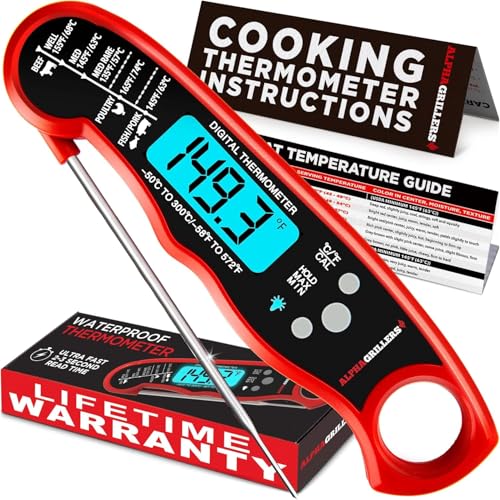
Instant Read Meat Thermometer
A quality instant-read thermometer with a thin probe gives you accurate readings without tearing up your bark every time you check.
Select-grade briskets can need to be pushed higher than 205°F before the flat truly probes tender. Don’t be afraid of that. The temperature ceiling isn’t what makes brisket dry; cooking it past probe-tender is what causes problems. Those are two different things.
Injecting: Worth the Extra Step on Budget Briskets

Prime and choice briskets have enough intramuscular fat that you can get away without injecting. Select grade, not so much. An injection adds moisture and flavor deep into the flat where dry smoke air never reaches, and it genuinely changes the final texture on leaner cuts.
A simple injection is beef broth with a tablespoon of soy sauce and a teaspoon of Worcestershire per cup of liquid. Inject in a grid pattern across the flat, spacing injections about an inch apart. Do this at least an hour before the cook, ideally overnight, so the liquid distributes evenly rather than leaking back out when you put it on the smoker.
Meat injectors come in basic and heavy-duty versions. The basic ones work fine for brisket since you’re not dealing with chunks of marinade, just liquid. Look for one with a large-gauge needle so it doesn’t clog.
If you want to take it further, beef tallow injections are popular in competition circles and work especially well on select packers. Melt the tallow and let it cool to around 130°F so it’s still liquid but won’t cook the meat when you inject it.
The same principle behind brining chicken also applies here. If you’ve ever read about how salt and liquid penetrate muscle fibers in our guide on essential brine formulas for juicy chicken, turkey, and pork, the science is similar. Salt changes the protein structure in a way that helps the meat hold onto moisture during cooking.
How to Rescue Dry Brisket Slices You’ve Already Cut
If you’ve sliced into your brisket and it’s already coming out dry and tight, you still have options. Don’t just serve it and apologize.
The fastest fix is a beef broth bath. Pour about half an inch of warm beef broth into a baking pan, lay the slices in a single layer, cover tightly with foil, and put it back in the smoker or oven at 250°F for 45 to 90 minutes. The slices will reabsorb moisture and the connective tissue will continue to break down. It won’t be the same as getting it right the first time, but it’s dramatically better than dry slices served cold.
Another option is to chop the flat instead of slicing it, then toss the chopped meat in warm beef tallow or a splash of the pan drippings from the wrap. Chopped brisket sandwiches hide a multitude of texture sins and are genuinely delicious on their own terms. This is also the same basic logic behind why budget brisket alternatives like chuck roast can sometimes be more forgiving for new pitmasters: leaner cuts benefit from being pulled or chopped rather than sliced.
Leftover dry brisket also works well shredded into baked beans, folded into tacos, or mixed into a hash. It’s not the picture-perfect sliced brisket you wanted, but good beef doesn’t need to go to waste.
Frequently Asked Questions
Should I rest brisket in a cooler, and does it actually help with moisture?
Yes, and more than most people realize. Resting a wrapped brisket in a dry cooler for one to three hours lets the muscle fibers relax and reabsorb some of the juices that moved to the surface during cooking. If you skip the rest and slice immediately, those juices run straight off the cutting board. A two-hour rest in a towel-lined cooler is one of the easiest improvements you can make to a dry brisket problem without changing anything about the actual cook.
What internal temperature should I target for a select-grade brisket?
Use temperature as a starting point, not a final answer. Most select-grade flats don’t probe tender until somewhere between 200 and 210°F, and some need to go even a bit higher. Start probing for feel around 198°F and keep going until you get that no-resistance sensation. The number on the thermometer is just telling you when to start paying close attention.
My brisket was juicy right after slicing but dried out on the serving tray. What happened?
Evaporation. Once you slice brisket, it starts losing moisture almost immediately, especially in a warm room. Keep unsliced portions wrapped until needed, and only slice what’s about to be eaten. If you’re serving a crowd over a longer period, keep sliced brisket in a covered pan with a small amount of warm broth in the bottom to maintain a humid environment. A chafing dish setup works well for this.
One More Thing Worth Mentioning
Select-grade briskets need more attention and technique than choice or prime, but they’re not a lost cause. If you’re buying them because you’re trying to keep costs down, which is a completely reasonable approach, you can close a lot of the quality gap with good injection technique, proper wrap timing, and a patient rest. The tools don’t need to be expensive either. A reliable thermometer and a roll of butcher paper cover most of what you need.
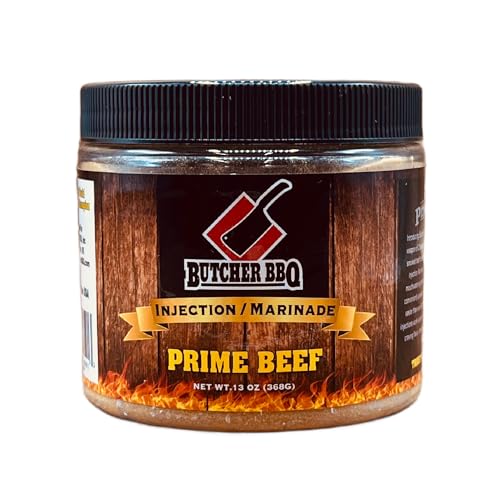
Butcher BBQ Brisket Injection
A purpose-made brisket injection blend that adds flavor and moisture without the guesswork of building your own recipe from scratch.
If you want to experiment with lower-cost beef cuts that respond well to low-and-slow cooking, it’s worth reading through our breakdown of the best cheap beef cuts for slow cooker methods. Some of those cuts are even more forgiving than brisket and make a great practice run before you commit to another twelve-hour smoke. And for general strategies on spending less at the meat counter without sacrificing quality, these eight ways to save money on meat are worth bookmarking.
This article contains affiliate links. We may earn a small commission at no extra cost to you.


