
The Best Smoked Chicken Thighs (Cheap and Crispy)
Chicken thighs are one of the best-kept secrets in backyard BBQ. They’re cheaper than breasts, more forgiving than brisket,…

Chicken thighs are one of the best-kept secrets in backyard BBQ. They’re cheaper than breasts, more forgiving than brisket, and they stay juicy even if you lose track of time. If you’ve ever pulled dry, rubbery chicken off a smoker, you were probably working with the wrong cut. Thighs have enough fat to protect themselves, which makes them almost impossible to truly ruin.
The one thing that trips people up with smoked chicken thighs is the skin. Low-and-slow smoking renders fat slowly, but it can leave you with a soft, chewy layer that nobody wants to bite through. This guide covers the rub, the smoke, and the exact technique for getting crispy, bite-through skin without drying out the meat underneath.
Disclosure: As an Amazon Associate, this site earns from qualifying purchases. Thank you!
Why Chicken Thighs Are the Smart Choice

Bone-in, skin-on chicken thighs are consistently one of the most affordable proteins at the grocery store. You’ll often find them for a fraction of what you’d pay for breasts or drumsticks. They’re also sold in family packs, which stretches your dollar even further. If you’re already looking for ways to eat well without overspending, check out this rundown of the best budget meats for protein to see how thighs stack up against other cuts.
Beyond cost, thighs have a higher fat content and more connective tissue than white meat. That means they stay moist during a long smoke, even if your temperature fluctuates. They’re much more forgiving than something like a whole chicken breast, which goes from perfect to chalky in minutes.
Building the Right Rub

A good rub does two things: it adds flavor and it pulls a small amount of moisture to the surface, which helps the skin tighten and eventually crisp. You don’t need anything exotic. A simple base works better than most people think.
The Basic Formula
- 2 tbsp kosher salt
- 1 tbsp black pepper
- 1 tbsp smoked paprika
- 1 tsp garlic powder
- 1 tsp onion powder
- 1 tsp brown sugar (optional, helps with bark formation)
- 1/2 tsp cayenne (adjust to taste)
Mix it together and apply a generous coat to every surface of the thigh, including under the skin if you can loosen it without tearing. Let the rub sit on the chicken for at least 30 minutes at room temperature, or up to overnight in the fridge uncovered. The uncovered fridge rest is worth doing. It dries the skin out slightly, which gives you a head start on that crispiness.
If you prefer to grab a pre-made blend, there are plenty of quality options available. A good BBQ rub variety pack lets you experiment with different flavor profiles without committing to a full container of something you’re not sure about.

BBQ Rub Variety Pack
A variety pack lets you test multiple flavor profiles on cheap cuts before committing to a full container of anything.
Wood Choice and Smoker Setup

Chicken is mild, so you don’t need heavy smoke. Strong woods like mesquite can easily overpower the meat and leave a bitter finish. Stick with fruit woods or milder hardwoods for the best results.
- Apple wood: Sweet, mild, and the most popular choice for chicken
- Cherry wood: Slightly richer than apple with a deeper color on the skin
- Pecan: Nuttier flavor, still mild enough for poultry
- Hickory: Use sparingly, one chunk max, or it gets heavy
Set your smoker to 275°F. A lot of recipes suggest 225°F for chicken, but the lower temp makes getting crispy skin almost impossible. At 275°F, you still get good smoke absorption, but the higher heat helps render the fat under the skin before it has a chance to turn rubbery. If your smoker struggles to hold temperature, understanding your fuel matters. The difference between lump charcoal and briquettes can affect how consistently you hit and hold your target temp.
A reliable instant-read thermometer is non-negotiable here. You’re pulling these thighs at 175°F internal, not 165°F. The extra 10 degrees makes the connective tissue fully break down and the texture goes from good to genuinely great.
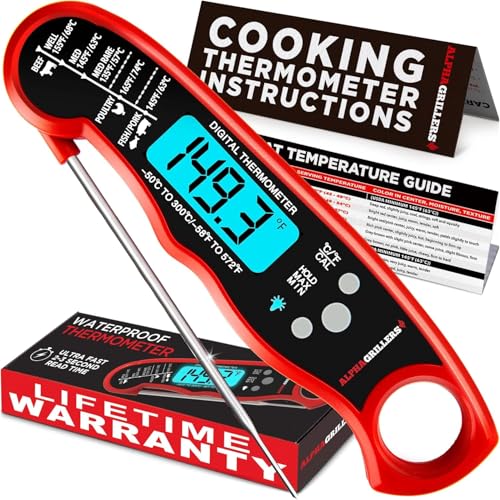
Instant Read Meat Thermometer
A fast, accurate thermometer removes all the guesswork from hitting your pull temperature on poultry.
Smoke Time and the Crispy Skin Finish

At 275°F, bone-in thighs typically take 1.5 to 2 hours to hit 175°F internal. Thighs vary in size, so start checking around the 1 hour 15 minute mark. Place them skin-side up the entire cook. Flipping them introduces the risk of tearing the skin and losing the rendered fat you’ve been building up.
The Finish: High Heat or Sear
Once your thighs hit 175°F, you have two good options for finishing the skin. The first is to crank your smoker or grill to 400°F or higher and let the thighs cook for another 5 to 10 minutes skin-side down. Keep a close eye on them because sugar in the rub will burn quickly at that temperature.
The second option is to transfer them directly to a hot charcoal grill or cast iron skillet, skin-side down, for 2 to 3 minutes. This method gives you more control and produces a more even sear. Either way, the goal is the same: the skin should pull back slightly and feel firm when you press it with tongs.
One thing that genuinely helps skin crispiness is patting the thighs completely dry before applying the rub. Paper towels work fine, but if you’re doing a bigger batch or prepping ahead, some people lightly score the skin with a sharp knife to help fat escape faster during cooking.
Serving and Sides
Smoked chicken thighs don’t need much dressing up, but a simple sauce on the side goes a long way. A vinegar-based Alabama white sauce works particularly well with smoked chicken, cutting through the richness of the skin. You can also just put out a few store-bought options and let people choose.
These thighs fit into almost any spread. They work as a main alongside coleslaw and baked beans, or pulled off the bone and piled onto sandwiches. If you’re planning a bigger outdoor meal, the ideas in this summer grilling menu guide are worth browsing for inspiration. For a full backyard event, pairing them with a few other proteins and some grazing options makes for an easy, crowd-pleasing setup. You could even prep some alongside a smoked sausage and brisket spread, though if you’re working on a budget, consider some of the best budget brisket alternatives before committing to a full packer.

Wood Chunks for Smoking
Apple wood chunks burn cleanly and produce a mild, sweet smoke that complements chicken without overpowering it.
Frequently Asked Questions
Do I need to brine chicken thighs before smoking?
Brining isn’t required for thighs the way it is for chicken breasts, because the extra fat keeps them from drying out. A dry brine, which is just salting the thighs and letting them rest uncovered in the fridge for a few hours, is worth doing because it seasons the meat more deeply and dries the skin. If you’re curious about wet brining for poultry in general, there’s a solid breakdown of brine formulas for chicken, turkey, and pork that covers the ratios and timing.
Why is my smoked chicken skin rubbery?
Rubbery skin almost always comes from cooking too low and too slow without a high-heat finish. The fat under the skin never fully renders, and you end up with a soft, chewy texture. Smoking at 275°F instead of 225°F helps significantly, and finishing over high heat seals the deal. Wet rubs or sauces applied too early can also trap steam and prevent the skin from firming up.
Can I smoke boneless, skinless thighs?
You can, but they cook much faster (closer to 45 to 60 minutes at 275°F) and don’t develop any real bark or crispy exterior. They’re better suited to marinades and direct grilling. For smoking, bone-in, skin-on thighs give you the best results because the bone helps retain heat evenly and the skin protects the meat while also being the best-tasting part of the whole thing.
Final Thoughts
Smoked chicken thighs punch way above their price point. They’re one of those cuts that rewards patience and a decent rub without requiring expensive equipment or premium fuel. Get your smoker to 275°F, apply a well-seasoned rub to dry skin, smoke to 175°F internal, and finish hot. That’s genuinely all it takes to get results that beat most restaurant BBQ chicken.
This article contains affiliate links. We may earn a small commission at no extra cost to you.


