
How to Portion and Freeze Bulk Meat Purchases
Buying meat in bulk saves money per pound, but those savings disappear if packages end up freezer-burned, forgotten, or…

Buying meat in bulk saves money per pound, but those savings disappear if packages end up freezer-burned, forgotten, or defrosted in quantities too large for a single meal. A simple portioning and freezing system keeps every ounce usable and every dollar well spent.
Disclosure: As an Amazon Associate, this site earns from qualifying purchases. Thank you!
Portion Before You Freeze

Never freeze a bulk package as one solid block. A 5-pound tray of chicken thighs frozen together becomes an unusable brick that takes hours to thaw and forces you to cook everything at once. Divide into meal-sized portions (1 to 2 pounds for most families) before freezing.
This applies to every protein. That 10-pound pork shoulder from Costco should be trimmed and divided into roasts, stew cubes, or grind-ready scraps before it goes into the freezer. Ground beef bought in 5-pound rolls gets pressed into 1-pound slabs. Chicken breast packs get separated into pairs. The work happens once, on shopping day, and pays off every time you pull a package.
Portioning also lets you customize for different recipes. A family-size chicken pack might become three separate bags: one with four thighs for grilling, one with two breasts for weeknight stir-fry, and one with wings for the smoker. Each bag serves a specific meal without forcing you to thaw more than you need.
The Right Wrapping Method
Vacuum sealing is the gold standard, extending freezer life to 12 to 18 months and eliminating freezer burn entirely. If you don’t have a sealer, double-wrap: plastic wrap pressed tightly against the meat, then aluminum foil, then into a freezer bag with air pressed out. Three layers dramatically outperform single-layer wrapping.
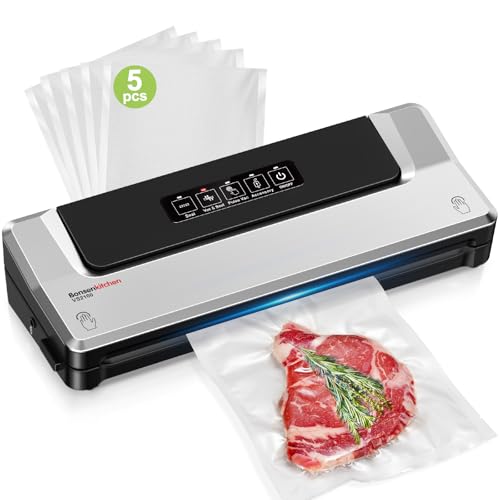
Vacuum Sealer Machine
Pays for itself within a few bulk purchases by preventing freezer burn and waste
The key to any method is removing air. Oxygen causes freezer burn by pulling moisture from the surface of the meat and leaving behind those dry, discolored patches. Plastic wrap alone lets air circulate around the meat. Foil alone tears and gaps. A freezer bag alone traps air pockets. Layering fixes all three problems.
For vacuum sealing, use bags rated for freezer use, not generic storage bags. Freezer-grade bags have thicker plastic that holds up to months of cold storage without cracking or leaking. Generic bags work for short-term fridge storage but fail in the freezer.
If you’re using the manual double-wrap method, press the plastic wrap directly onto the surface of the meat with no gaps or bubbles. Fold the edges under so the wrap completely encases the meat, then add foil with the same attention to coverage. The final freezer bag is insurance against punctures, not the primary barrier. Following these essential steps when freezing bulk meat prevents waste and maximizes your investment.
Label Everything
Every package needs three pieces of information: the cut name, the weight, and the date. Write these on the bag with permanent marker or use adhesive labels. This takes 10 seconds and prevents the mystery-meat problem that leads to forgotten packages and wasted food.
Be specific. “Chicken” doesn’t help you plan dinner. “4 bone-in thighs, 1.8 lbs” does. “Beef” is useless. “Chuck roast, 3.2 lbs” tells you exactly what you have and how to cook it. The weight matters because recipes scale to weight, not vague quantities.
Date every package with the freeze date, not the purchase date. If you bought meat on Monday and froze it on Wednesday, Wednesday’s date goes on the label. This tells you how long it’s actually been frozen, which is what determines quality.
Write the intended use on the label alongside the cut and date. “Ground beef – taco night” or “Chicken thighs – grill” helps you grab the right package for the right meal without opening bags to check what’s inside.
Some people add cook-from-frozen notes to the label. “Sous vide 145°F x 2 hours” or “Instant Pot 25 min high pressure” turns the label into a quick reference so you don’t have to look up times mid-prep.
Freeze Flat for Faster Thawing

Ground beef pressed into flat 1-pound slabs thaws in 20 to 30 minutes in cold water versus hours for a ball-shaped package. Chicken pieces laid flat in a single layer freeze and thaw faster than piled-up mounds. Flat packages also stack neatly, maximizing freezer space.
Flatten packages before they freeze solid. Once frozen, they’re locked into whatever shape you gave them. Press ground beef into even rectangles about half an inch thick. Spread chicken pieces in a single layer with minimal overlap. Lay steaks flat with parchment between them if stacking more than two.
Flat packages thaw evenly. A thick lump of ground beef thaws on the outside while the center stays frozen, creating a temperature danger zone where bacteria can multiply. A half-inch slab thaws uniformly, reducing risk and speeding prep.
For sous vide cooking, flat packages are mandatory. You can drop a frozen 1-pound flat slab directly into the water bath and add 30 minutes to the cook time. A frozen ball of meat won’t cook evenly no matter how long you leave it in the bath.
Flat packages also break easily while frozen. If you need half a pound of ground beef instead of a full pound, snap the frozen slab in half and return the unused portion to the freezer. This doesn’t work with ball-shaped packages.
FIFO Rotation
First in, first out. Place new packages behind or below older ones so you always use the oldest inventory first. This prevents anything from being buried and forgotten at the bottom of the freezer for months.
Most home freezers fill from the top, which makes FIFO harder than it should be. New packages go in easily because they’re on top. Old packages sink to the bottom and disappear. Combat this by creating zones. Designate one side of the freezer for new stock and the other for older inventory. When you add new packages, they go on the new side. When you pull for a meal, you pull from the old side.
Chest freezers make FIFO nearly impossible without a system. Use bins or baskets to create layers. New chicken goes in the top basket, old chicken in the bottom basket. When the bottom basket empties, move the top basket down and refill the top with the next bulk purchase.
Check your freezer monthly. Pull everything out, wipe down the interior, and re-stack with the oldest packages on top. This 20-minute task catches forgotten packages before they cross into the waste zone.
Recommended Timeframes
- Beef (steaks, roasts): 6 to 12 months vacuum sealed
- Ground beef: 4 to 12 months vacuum sealed
- Chicken: 6 to 12 months vacuum sealed
- Pork: 6 to 12 months vacuum sealed
- Seafood: 3 to 6 months vacuum sealed
These timeframes assume vacuum sealing and a freezer held at 0°F or below. Double-wrapped meat in freezer bags cuts those windows roughly in half. Single-layer wrapping in store packaging is good for 1 to 3 months max before quality drops noticeably.
Ground meats have shorter windows than whole cuts because grinding exposes more surface area to air and freezer conditions. A ribeye steak can hold at peak quality for a year. Ground beef from the same steer starts declining at four months even with perfect wrapping.
Seafood is the most fragile. Fish and shellfish have higher moisture content and more delicate tissue than land animals, making them prone to freezer damage. Three months vacuum sealed is the upper limit for maintaining restaurant-quality texture and flavor. Beyond that, it’s still safe but noticeably degraded.
These are quality windows, not safety limits. Properly frozen meat stays safe indefinitely at 0°F. The issue is freezer burn, moisture loss, and oxidation slowly ruining texture and flavor. A two-year-old frozen steak won’t make you sick, but it’ll taste like cardboard.
Portioning Guidelines by Protein
Chicken: package 4 to 6 bone-in pieces or 2 to 4 boneless pieces per bag (one meal for a family of four). Ground beef: press into 1-pound flat slabs that thaw quickly. Pork chops: stack 4 to 6 per bag with parchment between each. Pork shoulder: freeze whole for slow cooking, or pre-pull and freeze in 1-pound containers. Steaks: wrap individually and separate with parchment. Seafood: portion into 4 to 6 ounce servings per person.
For bone-in cuts, account for bone weight when portioning. Four bone-in chicken thighs weigh about 2 pounds total but yield closer to 1.2 pounds of edible meat. Six pork chops with the bone might weigh 3 pounds but provide 2 pounds of eating. Adjust portions based on whether you’re measuring raw weight or cooked yield.
Ribs and whole birds freeze best intact. A full rack of spare ribs or a whole chicken portions itself during cooking, so there’s no need to break it down beforehand. Wrap the whole rack or bird tightly and freeze as-is.
For roasts and large cuts, decide before freezing whether you’re cooking whole or breaking down. A 10-pound pork shoulder can freeze whole for pulled pork, or you can trim it into 2-pound roasts, 1-inch cubes for stew, and grind the trimmings. Each option has trade-offs. Whole roasts are less work upfront but lock you into one cooking method. Pre-portioned cuts take more time on shopping day but give you flexibility later.
Bacon freezes well in opened packages. Once you break the vacuum seal, wrap the remaining slices in portions of 4 to 6 strips. Frozen bacon separates easily without thawing the whole package. For more ideas on using deli and lunch meats in creative ways, proper portioning opens up even more meal possibilities.
The Cost of Not Portioning
A 5-pound block of frozen chicken thighs takes 24+ hours to thaw in the fridge. Once thawed, you have 1 to 2 days to cook all 5 pounds or risk waste. If your recipe only calls for 1.5 pounds, the remaining 3.5 pounds either gets cooked unnecessarily or sits in the fridge on borrowed time. Pre-portioning eliminates this waste cycle entirely. The 15 minutes spent portioning on shopping day saves hours of thawing time and prevents the frustrating waste of meat that sat too long after a forced mass-thaw.
The math is simple. A 10-pound bulk pack of chicken breast at Costco competitively priced per pound. If you freeze it whole and later waste 3 pounds to freezer burn or over-thawing, you’ve thrown away competitively priced. A vacuum sealer pays for itself in prevented waste alone after six bulk purchases, and you’re still getting years of use out of it. Learning smart strategies to reduce your meat costs includes mastering proper storage and portioning techniques.
The hidden cost is meal flexibility. When your freezer only holds giant blocks of meat, every dinner requires a 24-hour thaw window. You can’t decide Tuesday morning to grill chicken Tuesday night because the chicken is locked in a frozen mass until Wednesday. Pre-portioned packages thaw in hours, not days, letting you respond to schedule changes and last-minute meal decisions.
Portioning also prevents the “frozen solid emergency.” You forgot to thaw dinner and it’s 5 PM. A pre-portioned 1-pound flat slab of ground beef thaws in 30 minutes under cold running water. A 5-pound frozen brick doesn’t thaw in time for dinner no matter what you do, forcing you to order takeout or scramble for an alternative.
Freezer Organization Systems

Group beef, chicken, pork, and seafood into separate zones within your freezer. Use bins, baskets, or shelf dividers to keep categories from mixing. This makes finding what you need faster and helps you visually assess which proteins are running low and need restocking.
Within each protein zone, organize by cut type. All ground beef in one bin, all steaks in another, all roasts in a third. This prevents digging through a pile of mixed cuts to find what you’re looking


