
How to Vacuum Seal Meat for the Freezer (Complete Guide)
Vacuum sealing is the single best way to protect meat in the freezer. It eliminates the air exposure that…

Vacuum sealing is the single best way to protect meat in the freezer. It eliminates the air exposure that causes freezer burn, extends storage life by months, and preserves flavor and texture far better than standard freezer bags or plastic wrap.
If you buy meat in bulk or stock up during sales, a vacuum sealer pays for itself within a few shopping trips. The upfront cost of the machine and bags is offset by reduced waste, better meat quality when you cook it, and the ability to buy larger packages at lower per-pound prices.
Disclosure: As an Amazon Associate, this site earns from qualifying purchases. Thank you!
Why Vacuum Sealing Works
Freezer burn happens when air reaches the surface of frozen meat. Moisture escapes from the meat into the surrounding air inside the package, leaving behind dry, discolored patches that taste like cardboard. Vacuum sealing removes all the air from the package, stopping this process entirely.
Standard freezer bags, even “heavy-duty” ones, allow small amounts of air exchange over time. The plastic is porous enough that oxygen slowly works its way through, and the seal at the top rarely creates a perfect barrier. Plastic wrap is even worse. It’s designed for short-term fridge storage, not months in the freezer.
Vacuum-sealed meat stays pristine for 12 to 18 months in the freezer, compared to 3 to 4 months for conventionally wrapped meat. The difference is visible the moment you thaw it. Vacuum-sealed steaks look and smell like they just came from the butcher. Freezer-bag steaks often show ice crystals, surface discoloration, and off smells.
Vacuum sealing also prevents cross-contamination in the freezer. Meat juices can’t leak out of a properly sealed bag, which means no puddles under your steak packages and no raw chicken drips landing on other food.
Choosing a Vacuum Sealer

For home use, an external (suction) vacuum sealer handles most needs. These machines pull air out through the open end of a bag and heat-seal it shut. Models from FoodSaver and Nesco are popular and widely available. Look for one with a strong suction motor and a “moist” setting for sealing meat with surface moisture.
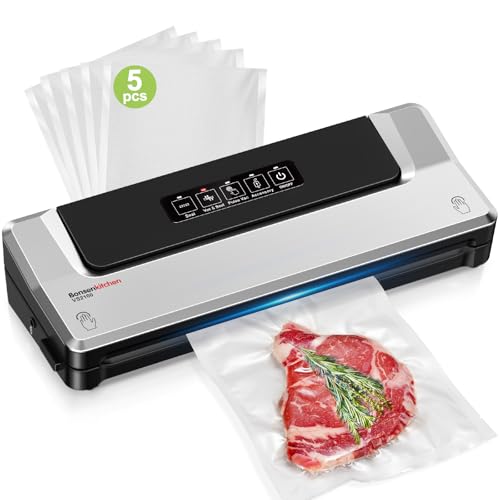
Vacuum Sealer Machine for Food
Mid-range models with good reviews offer reliable sealing and “moist” settings for meat
A reliable vacuum sealer machine with good reviews typically falls in the mid-range price category. Avoid the cheapest models, as weak suction leads to failed seals and wasted bags. A failed seal means air gets back in, and you’ve just wasted both the bag and the meat.
Key features to look for: adjustable suction strength, a pulse mode for manual control, an accessory port for sealing jars and canisters, and a seal bar at least 11 inches wide to accommodate larger bags. Some models have a built-in bag cutter and storage compartment, which is convenient but not essential.
Chamber vacuum sealers are the professional-grade option. They seal liquids without issues and handle higher volumes, but they’re larger and cost significantly more. Unless you’re processing a quarter cow at a time, an external model is sufficient. Chamber sealers also require proprietary chamber bags, which are more expensive than standard vacuum bags.
How to Vacuum Seal Different Meats

Beef Steaks and Roasts
Pat the surface dry with paper towels before sealing. Excess moisture can interfere with the seal. For steaks, you can seal them individually or stack two to three with a piece of parchment paper between them for easier separation later.
Individual sealing gives you maximum flexibility. You can pull out one ribeye for dinner without thawing a whole package. Stacking works well if you routinely cook multiple steaks at once. The parchment layer prevents them from freezing into a solid block.
For larger roasts (chuck, brisket, whole ribeye), seal them whole if you plan to cook the entire piece. If you’re more likely to portion it later, cut the roast into smaller sections first. A 10-pound brisket can be split into two 5-pound pieces, sealed separately, and cooked at different times.
Bone-in cuts like ribeyes with the rib bone attached or T-bones can puncture standard bags. Use extra-thick bags or wrap the sharp bone tips in a folded paper towel before sealing.
Ground Beef
Flatten ground beef into thin, even slabs before sealing. This makes them freeze faster, thaw quicker, and stack neatly in the freezer. A 1-pound portion pressed to about 3/4-inch thickness thaws in under 30 minutes in cold water.
Use your hands to press the meat flat inside the bag before sealing, or portion it on a cutting board and slide it into the bag already shaped. Thin slabs also break easily into smaller pieces if you only need half a pound for a recipe.
Ground beef sealed this way lasts a full year in the freezer without any quality loss. Conventional freezer-bag ground beef starts developing off flavors and gray oxidation after 3 to 4 months.
Ground Pork and Sausage
Treat ground pork the same as ground beef: flatten into thin slabs for fast freezing and easy thawing. Bulk breakfast sausage or Italian sausage works the same way. For link sausages, coil them flat in the bag or stack them in a single layer.
Fresh sausage with high fat content can sometimes leave grease on the bag opening during sealing. Wipe the opening clean with a paper towel before the machine heat-seals it.
If you’re making your own homemade Italian sausage, vacuum sealing in single-meal portions makes weeknight cooking much easier.
Chicken
Bone-in chicken pieces can puncture vacuum bags. Use extra-thick bags or double-bag bone-in pieces. For boneless breasts or thighs, pat dry and seal in single-meal portions (2 to 4 pieces per bag depending on family size).
Whole chickens can be vacuum sealed, but it’s a tight fit for anything over 4 pounds. You’re usually better off breaking down the bird into pieces first: breasts, thighs, drumsticks, and wings in separate bags. This gives you more flexibility and faster thawing times.
Chicken skin holds a lot of moisture. Pat it aggressively dry before sealing. If the sealer struggles, pre-freeze the chicken uncovered for 30 minutes, then seal while it’s partially frozen.
Pork
Pork chops seal easily. Stack them with parchment paper separators. Pork shoulder can be sealed whole for future slow-cooking, or portioned into 2 to 3 pound chunks. For ribs, some people prefer to wrap in plastic film first, then vacuum seal over the top to prevent bone punctures.
Pork tenderloin is one of the easiest cuts to vacuum seal. It’s boneless, lean, and fits perfectly in a standard-width bag. Seal two tenderloins per bag if you routinely cook them together.
Thick-cut pork chops (1.5 inches or thicker) take up less bag space if you stand them on edge rather than laying them flat. Pack 3 to 4 chops vertically in the bag before sealing.
Fish and Seafood
Fish fillets should be patted bone-dry before sealing. Any surface moisture will get sucked into the sealer and potentially damage the machine. Pre-freeze fillets for 30 to 60 minutes if they’re particularly wet.
Whole fish or fish steaks with bones need extra-thick bags. Shrimp can be sealed raw or cooked, but raw shrimp lasts longer. Scallops seal well in single-layer portions.
Oily fish like salmon and mackerel develop strong flavors after 6 months in the freezer even when vacuum sealed. White fish like cod and halibut lasts closer to 12 months.
If you’re planning to smoke your own fish, check out this guide on smoked salmon at home for tips on handling and preparation.
Tips for Better Seals
Keep the bag opening clean and dry. Any grease, moisture, or food particles in the seal area will compromise the seal and allow air to leak in over time. Leave at least 3 inches of empty bag above the meat to give the sealer room to work.
If your sealer struggles with wet surfaces, pre-freeze the meat uncovered on a sheet pan for 30 to 60 minutes. The slightly frozen surface is much easier to seal reliably. This technique works especially well for marinated meats, ground beef, and chicken pieces.
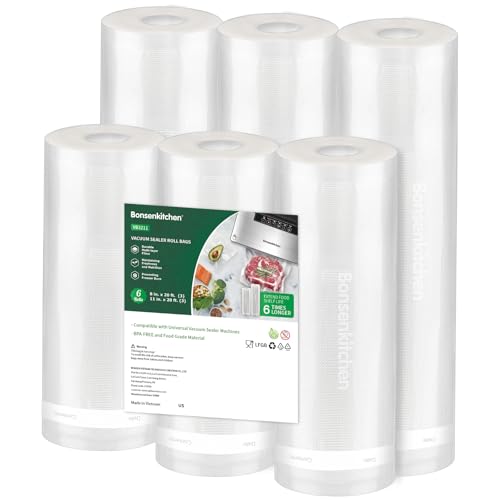
Vacuum Sealer Bag Rolls
Rolls let you cut custom sizes and cost less per foot than pre-cut bags
Buy vacuum sealer bag rolls rather than pre-cut bags. Rolls let you cut custom sizes, which reduces wasted bag material and gives you flexibility for different cut sizes. A 50-foot roll costs less per foot than an equivalent quantity of pre-cut bags.
Use the pulse function for delicate items or anything with sharp edges. Pulse mode lets you control the suction manually, stopping before the bag crushes soft items or pulls sharp bones into the seal area.
Test your seals. After sealing, press on the bag to make sure air doesn’t leak back in. If the bag re-inflates even slightly, cut it open, wipe the seal area clean, and reseal.
Common Mistakes to Avoid
Overfilling bags is the most common error. If the meat is packed too close to the seal line, juices or small particles can get sucked into the seal during vacuuming. This creates weak spots that leak air over time. Always leave 3 to 4 inches of empty space.
Using the wrong bag thickness for the job wastes money or leads to punctures. Standard 3-mil bags work fine for boneless cuts. Bone-in cuts need 4-mil or thicker bags. Heavy bones (beef ribs, pork shoulder bones) sometimes need double-bagging regardless of bag thickness.
Not labeling packages properly. Frozen vacuum-sealed chicken and frozen vacuum-sealed pork look identical through the bag after a few weeks in the freezer. Write the contents, weight, and freeze date on every package immediately after sealing.
Sealing meat that’s too warm. Meat should be fridge-cold (below 40°F) before sealing. Room-temperature meat creates condensation inside the bag as it cools, which can compromise the seal and promote bacterial growth before the meat freezes solid.
Ignoring the sealer’s maintenance needs. Most machines have a drip tray or reservoir that catches liquid pulled out during sealing. Empty and clean this regularly. A full drip tray can overflow into the vacuum chamber and damage the motor.
Labeling and Organization

Write the cut, weight, and date on every package using a permanent marker or freezer label. Organize your freezer by protein type (beef, pork, chicken, seafood) and use a first-in, first-out rotation to prevent anything from being forgotten at the bottom of the pile.
Create zones in your freezer: one area for beef, one for pork, one for chicken, one for seafood. Within each zone, stack packages with the oldest dates in front. This system prevents the common problem of finding a 14-month-old pork chop buried under recent purchases.
If you buy bulk meat regularly, keep a freezer inventory list on the door or nearby. Note what went in and cross items off as you use them. This takes 30 seconds per shopping trip and prevents duplicate purchases.
Flat-packed ground meat and thin steaks stack efficiently in freezer drawers or on shelves. Larger roasts and bone-in cuts take up more irregular space. Store them in a separate section where their odd shapes won’t create wasted air pockets.
Thawing Vacuum-Sealed Meat
Thaw vacuum-sealed meat in the refrigerator for best results. A 1-pound package thaws overnight. Thicker roasts can take 24 to 48 hours depending on size.
For faster thawing, submerge the sealed package in cold water. Change the water every 30 minutes. A flat-packed pound of ground beef thaws in 20 to 30 minutes this way. Thick steaks take 45 to 60 minutes.
Don’t thaw vacuum-sealed meat on the counter at room temperature. The anaerobic (oxygen-free) environment inside the bag can allow harmful bacteria to grow if the meat sits in the temperature danger zone (40°F to 140°F) for too long.
Some sources recommend opening the vacuum seal before thawing to prevent botulism risk from anaerobic bacteria. This is overly cautious for properly frozen meat. As long as you thaw in the fridge or cold water and cook promptly after thawing, the risk is negligible.
You can cook some vacuum-sealed meats directly from frozen. Thin steaks, pork chops, and chicken breasts work well for this. Add 50% to the normal cooking time and use a meat thermometer to verify doneness.
Cost Analysis: Is It Worth It?
A mid-range vacuum sealer and initial bag supply represent an investment that pays for itself through waste reduction and bulk purchasing opportunities. Check current pricing on quality models to find one that fits your budget.
Compare this to freezer burn waste. If you throw away 2 pounds of freezer-burned meat per month at an average cost of competitively priced per pound, you’re losing competitively priced per year. The sealer pays for itself in the first year just from waste reduction.
Add the savings from buying bulk: a 10-pound family pack of chicken breasts competitively priced/lb instead of individual 1.5-pound packs competitively priced/lb saves competitively priced on that purchase alone. Make 5 to 6 similar bulk purchases per year and you’ve covered the cost of bags.
Vacuum sealers also reduce trips to the grocery store. When you have a well-stocked freezer of properly sealed meat, you’re not making emergency runs for protein when dinner plans change. This saves time and prevents impulse purchases.
This is especially valuable if you process wild game. Hunters who seal their own venison backstrap or make venison salami save hundreds of dollars compared to commercial processing fees.
Vacuum Sealing for Wild Game
Wild game benefits even more from vacuum sealing than store-bought meat. Venison, elk, and bison are leaner than beef, which means they’re more susceptible to freezer burn and oxidation.
Whether you’re preserving venison bratwurst or


