
Why Frozen Steak Tastes Bad and How to Fix It
Frozen steak should taste just as good as fresh, and when stored properly, it does. If your frozen steaks…

Frozen steak should taste just as good as fresh, and when stored properly, it does. If your frozen steaks have off-flavors, mushy texture, or a stale taste, the issue is almost always in how they were packaged, how long they were stored, or how they were thawed.
The difference between a frozen steak that tastes great and one that tastes like freezer air comes down to a few specific factors: oxygen exposure, storage duration, freezing speed, and thawing method. Most home freezers run at 0°F, which is cold enough to preserve meat safely but not cold enough to prevent all quality degradation.
Commercial blast freezers operate at -40°F and freeze a steak in minutes, locking in quality. Your home freezer takes hours, forming larger ice crystals that damage cell structure. Understanding these mechanics helps you work within the limits of home equipment.
Disclosure: As an Amazon Associate, this site earns from qualifying purchases. Thank you!
Freezer Burn Is the Top Culprit

Those dry, grayish patches on frozen steak are freezer burn, caused by air exposure. Standard grocery store wrapping (foam tray with plastic overwrap) allows enough air exchange to cause freezer burn within 1 to 2 months. The affected areas develop cardboard-like flavors that ruin the eating experience.
Freezer burn is sublimation: ice on the surface of the steak evaporates directly into water vapor without melting first. The meat dries out and oxidizes, leaving those leathery, discolored spots. It’s not dangerous, but the texture and flavor damage is permanent.
Once a steak has freezer burn, no amount of seasoning or cooking technique brings those areas back.
Fix: Rewrap steaks in plastic wrap, then aluminum foil, then a freezer bag. Better yet, vacuum seal every steak. Vacuum-sealed steaks last 12 to 18 months without any quality loss.
The triple-wrap method works because each layer adds a barrier to moisture loss and oxygen infiltration. Press plastic wrap directly against the steak’s surface with no air pockets, then wrap tightly in foil, then seal in a freezer bag with as much air squeezed out as possible. Label the outside of the bag with the cut and the date.
This method costs almost nothing and extends freezer life to 6 months.
Vacuum sealing removes 99% of the air from the package, which stops sublimation and oxidation almost entirely. A vacuum-sealed ribeye pulled from the freezer after a year looks and tastes nearly identical to one frozen last week.
Oxidation of Fats
The fat in steak can oxidize during prolonged freezer storage, creating stale, rancid off-flavors. This is more noticeable in fattier cuts (ribeye) than lean cuts (sirloin). Vacuum sealing minimizes oxygen contact and dramatically slows oxidation.
Fat oxidation happens even at freezer temperatures. Oxygen molecules interact with the unsaturated fats in beef, breaking them down into compounds that taste and smell rancid. A ribeye with heavy marbling has more surface area for oxidation than a lean sirloin, so fatty cuts degrade faster in standard wrapping.
This is why a ribeye tastes noticeably worse after 4 months in grocery store plastic, while a top round might still be fine. If you’re dealing with a tough Costco ribeye, proper freezing technique becomes even more critical to preserve what quality you have.
Grass-fed beef contains higher levels of omega-3 fatty acids, which oxidize faster than the fats in grain-fed beef. If you’re freezing grass-fed steaks, vacuum sealing is even more critical. Without it, expect off-flavors to develop within 2 to 3 months.
If you detect a slight stale or waxy taste in a thawed steak, that’s fat oxidation. Heavy seasoning, marinades, or compound butter can mask mild oxidation, but severe cases produce flavors that overpower any fix.
Thawing Method Matters
Thawing on the countertop creates temperature differentials that degrade texture and promote bacterial growth. Microwave thawing creates hot spots that partially cook some areas while others remain frozen. The refrigerator is the best method (12 to 24 hours). Cold water bath is the best fast method (30 to 60 minutes).
Countertop thawing leaves the outer surface of the steak in the danger zone (40°F to 140°F) for hours while the center remains frozen. Bacteria multiply on the surface, and the texture becomes spongy as the outer layers warm unevenly.
Microwave thawing on the defrost setting sounds convenient, but microwaves penetrate unevenly. You end up with cooked edges and a frozen center, which ruins both texture and food safety.
Refrigerator thawing keeps the steak at a safe temperature the entire time. Place the wrapped steak on a plate to catch any drips and let it sit for 12 hours for a 1-inch steak, 24 hours for anything thicker. The slow, even thaw preserves texture better than any other method.
Cold water thawing works when you need a steak tonight and forgot to move it to the fridge yesterday. Seal the steak in a leak-proof bag (or keep it in its vacuum-sealed pouch), submerge it in a bowl of cold tap water, and change the water every 30 minutes.
A 1-inch steak thaws in 30 to 45 minutes, a 2-inch steak in about an hour. Never use warm or hot water. It thaws the outside too fast and leaves the center frozen.
How Long Is Too Long?
Even properly stored steaks decline in quality over time. Standard wrapping: 3 to 4 months. Double-wrapped: 6 months. Vacuum-sealed: 12 to 18 months. Beyond these windows, the steak is safe but flavor and texture degrade.
The USDA says frozen beef stored at 0°F is safe indefinitely, but safe and good are different things. After 4 months in standard wrapping, a steak starts losing moisture, picking up freezer odors, and developing off-flavors. After 6 months, even double-wrapped steaks show noticeable quality loss.
Vacuum-sealed steaks hold up the longest, but even they fade after 18 months. The flavor dulls, the texture becomes slightly mushy, and the steak just doesn’t eat as well.
Commercial operations with blast freezers and colder storage temperatures (-10°F to -20°F) can hold steaks longer, but home freezers rarely stay that cold consistently. Every time you open the freezer door, the temperature fluctuates, and those fluctuations accelerate quality loss.
If you’re stocking up during a sale, plan your usage. Put steaks you’ll cook soon in the front of the freezer. Move the ones for long-term storage to the back where temperatures stay most consistent. First in, first out.
Cooking Tips for Previously Frozen Steaks
Pat the thawed steak completely dry with paper towels before cooking. Frozen and thawed steaks release more surface moisture than never-frozen steaks, which can prevent proper searing. A thorough dry-off and a screaming hot pan compensate for the extra moisture.
Season generously, as some flavor compounds are muted by the freezing process.
Ice crystals that form during freezing break cell walls, and when those cells thaw, they release more liquid than intact cells. That’s why a thawed steak often sits in a small puddle of purge (the pinkish liquid that pools in the package). Pat the steak dry, then let it sit on a wire rack in the fridge for an hour before cooking. This extra drying time improves the sear.
Use a cast iron or heavy stainless steel pan preheated until it just starts to smoke. Drop the steak in without moving it for 2 to 3 minutes per side for a 1-inch thick cut. The high heat evaporates surface moisture fast and creates a proper crust.
If your pan isn’t hot enough, the steak steams instead of sears.
Salt the steak 40 minutes before cooking or right before cooking, not in between. A 40-minute salt rest allows the salt to penetrate and the surface to dry again. Salting 5 to 20 minutes before cooking draws out moisture without enough time for reabsorption, leaving the surface wet.
For previously frozen steaks, the 40-minute rest works better because it gives the meat time to equalize and dry.
Add extra black pepper, garlic powder, or a dry rub. Freezing mutes some of the beef’s natural flavor compounds, so a bit more seasoning compensates. Don’t go overboard, but don’t be shy either. If you’re still experiencing texture issues, check out our guide on why grilled steak turns out tough for additional troubleshooting tips.
The Vacuum Sealer Solution

A vacuum sealer eliminates the two biggest causes of off-flavored frozen steak (freezer burn and fat oxidation) by removing all air from the package. Vacuum-sealed steaks maintain peak quality for 12 to 18 months, compared to 3 to 4 months in standard wrapping.
The initial investment pays for itself by preventing the waste of steaks that taste off after a few months in the freezer.
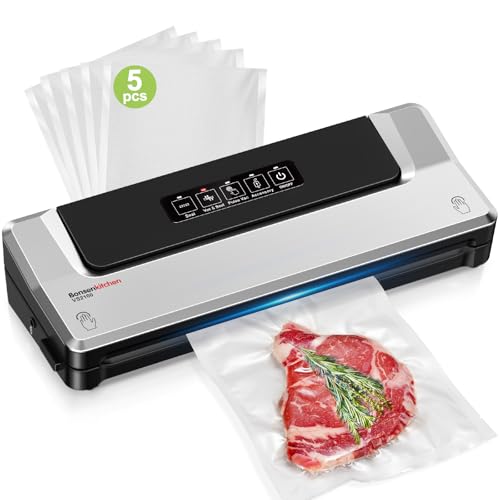
Vacuum Sealer for Meat
Essential for long-term steak storage, removes air to prevent freezer burn and oxidation
If you buy steak during sales or from warehouse clubs, vacuum seal each one individually on the day of purchase. Label with the cut, weight, and date. Steaks sealed the same day they’re purchased retain the most flavor and freshness during long-term storage.
Entry-level vacuum sealers handle light home use. Mid-range models offer stronger suction, better bag sealing, and longer motor life. Chamber vacuum sealers remove even more air and work faster, but they’re overkill unless you’re sealing large quantities regularly.
Vacuum sealer bags cost more than freezer bags, but the per-steak cost is low. A 50-foot roll of vacuum bag material seals dozens of steaks. Cut the bags to size, seal one end, insert the steak, and seal the other end after vacuuming.
Reusable vacuum bags exist but don’t seal as reliably for long-term storage.
When sealing steaks with sharp bones (T-bones, porterhouse), pad the bone tips with a folded paper towel before sealing. Sharp edges can puncture the bag during vacuuming or handling, which lets air back in and defeats the purpose.
Some vacuum sealers have a “moist” setting for wet foods. Steaks aren’t wet enough to need it, but if you’re sealing marinated steaks, use the moist setting or freeze the steak flat for an hour before sealing to firm up any liquid.
When to Cut Your Losses
If a frozen steak has extensive freezer burn covering most of the surface, thick ice crystal formations, and a strong off-odor after thawing, the quality loss may be too severe to enjoy even with heavy seasoning.
Trim the worst areas, and if more than 30% of the steak is affected, consider using the remaining portions in a heavily seasoned stir-fry, chili, or stew where sauces and spices compensate for the compromised texture and flavor.
Freezer-burned sections cut away easily with a sharp knife. They’re dry and discolored, so you’ll see exactly where to trim. If you’re left with a small, irregular piece, slice it thin for fajitas or cube it for beef and broccoli. The strong flavors in those dishes hide minor off-flavors.
A steak that smells sour, ammoniated, or putrid after thawing is spoiled, not just freezer-damaged. Toss it. Spoilage odors mean bacterial growth, which can happen if the steak wasn’t frozen fresh or if there was a long power outage that partially thawed it.
Freezer burn smells stale or


