
Beef Belly Burnt Ends: A Brisket-Free Way to Get Bark
Burnt ends have a reputation problem. Most people think you need a whole packer brisket to make them, which…

Burnt ends have a reputation problem. Most people think you need a whole packer brisket to make them, which means you’re committing to a 12-plus-hour cook and a hefty piece of meat before you even get to the fun part. Beef belly changes that entirely. It’s the same basic concept, fatty beef cooked low and slow until the exterior turns into deep, caramelized bark, but you’re working with a much smaller, cheaper cut that most people walk right past at the butcher counter.
If you’ve been looking for a way to get real burnt-end results without the full brisket commitment, beef belly is the answer. It has the fat content to keep things moist during a long smoke, it takes on smoke flavor beautifully, and because you’re cutting it into cubes from the start, you get more bark surface area per bite than you would from point-cut brisket burnt ends. Here’s everything you need to know to pull it off.
Disclosure: As an Amazon Associate, this site earns from qualifying purchases. Thank you!
What Is Beef Belly and Why Does It Work?

Beef belly is essentially the same anatomical cut as pork belly, just from a cow. It sits on the underside of the animal, below the ribs, and it’s packed with alternating layers of fat and muscle. That marbling is exactly what makes it ideal for low-and-slow cooking. The fat renders out slowly over the cook, keeping the meat moist even as the outside develops a thick, dark crust.
It’s also genuinely underused. While pork belly has had its moment (bacon, anyone?), beef belly tends to get overlooked at most grocery stores. That works in your favor because the price per pound is usually quite reasonable compared to brisket. Think of it as being in the same category as other undervalued beef cuts that punch above their weight when cooked properly.
The flavor is big and beefy, richer than pork belly, and it holds up well to bold rubs and sticky glazes. Brisket point gets all the glory for burnt ends, but beef belly gives you a very similar result at a fraction of the effort.
Trimming and Cutting Your Beef Belly

Start by trimming the fat cap down to about a quarter inch. You want some fat on top for moisture and flavor, but if you leave it thick, it won’t render fully and you’ll end up with rubbery pockets of fat instead of clean bark. A sharp boning knife makes this easier. If you’re buying from a grocery store butcher counter, you can ask them to do a rough trim for you, which saves some time at home.
Once trimmed, cut the belly into cubes roughly one and a half inches on each side. Some people go up to two inches, but the smaller size gives you more bark coverage and faster render time without drying out. Don’t go smaller than one inch, though, because the cubes will shrink during the cook and you’ll lose too much mass.
Try to keep your cubes as uniform as possible. Inconsistent sizing means uneven cooking, and some pieces will be overdone while others are still working through their connective tissue. A consistent cut is one of those small details that separates good burnt ends from great ones. If you want to get the most from your butcher visit, check out our guide on how to use the grocery store butcher counter to your advantage.
The Rub and the Smoke

Keep the rub simple. Beef belly has enough fat and flavor that it doesn’t need a complicated spice blend. A base of kosher salt, coarse black pepper, garlic powder, and a touch of smoked paprika covers everything you need. Some cooks add a little cayenne for heat. Apply the rub generously and let the cubes sit for at least 30 minutes before they hit the smoker, or overnight in the fridge if you’re planning ahead.
Set your smoker to 250 to 275 degrees Fahrenheit. Oak or hickory works well with beef belly because both deliver a strong smoke flavor that stands up to the fat. Cherry wood is a good secondary option if you want a slightly sweeter bark and a deeper red color on the exterior.
Smoke the cubes unwrapped for two to three hours until they develop a solid dark crust. You’re looking for an internal temp around 165 to 170 degrees before you move to the next step. A reliable thermometer makes this a lot less stressful.

Wireless Meat Thermometer
A wireless thermometer lets you monitor internal temp without hovering over the smoker the whole time.
Once the bark is set and you’ve hit that first temperature target, pull the cubes off and transfer them to an aluminum pan. Now comes the glaze.
The Glaze: Where the Magic Happens

This is the step that separates burnt ends from just “smoked beef cubes.” The glaze caramelizes around the cubes during the final phase of the cook and creates that sticky, sweet, slightly charred coating that makes burnt ends so addictive.
A simple and effective glaze combines about half a cup of your favorite BBQ sauce with two tablespoons of butter, a tablespoon of brown sugar, and a splash of apple cider vinegar to cut through the richness. Pour it over the cubes in the pan, toss to coat, and cover tightly with foil. Return the pan to the smoker at the same temperature and cook for another 60 to 90 minutes until the cubes are tender and the glaze has tightened up.
For the last 15 minutes, pull the foil off and let the glaze set and caramelize. Watch them closely at this stage because the sugar content means they can go from perfectly sticky to burnt quickly. You want the glaze tacky and dark, not scorched.
If you prefer to build your own BBQ sauce from scratch, a cast iron saucepan on a side burner gives you great control over heat and caramelization as you cook it down.
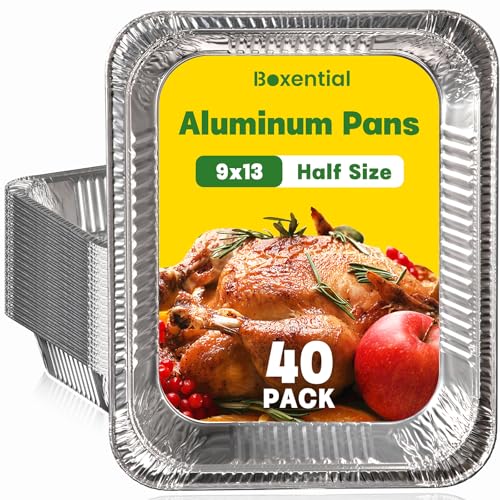
Heavy Duty Disposable Aluminum Pans
Half-size aluminum pans are ideal for the braising step and make cleanup on the smoker much easier.
Serving and Pairing Ideas
Beef belly burnt ends are rich, so serve them alongside something that offers contrast. Pickled red onions, coleslaw, white bread, and dill pickles are the classic BBQ accompaniments for a reason. The acidity cuts through the fat and resets your palate between bites.
They also work great as part of a larger cookout spread. If you’re building out a full summer menu, these pair naturally with other smoky mains and sides. You can find some solid spread ideas in this roundup of summer grilling menu ideas. Beef belly burnt ends can also be served on sliders or over a baked potato for a more casual presentation.
If you’re comparing the fuel side of things and deciding between charcoal options for your smoke, the breakdown on lump charcoal vs briquettes is worth a read before your next session.
Frequently Asked Questions
Can I substitute chuck roast if I can’t find beef belly?
Yes, chuck roast is a solid backup. It doesn’t have quite the same fat layering as beef belly, so the final result will be a little less rich, but it still makes excellent burnt ends. Cut it into the same one-and-a-half-inch cubes, run the same process, and you’ll be happy with the result. For a deeper look at brisket alternatives in general, including chuck roast, check out our guide to budget brisket alternatives for smoking.
How do I know when the burnt ends are actually done?
The temperature target at the end of the braising phase should be around 195 to 205 degrees internally. More importantly, poke a cube with a toothpick or skewer. It should slide in with almost no resistance, like probing warm butter. If you feel any tension, give them more time. The glaze should be thick and tacky, not wet or loose.
Do I need a dedicated smoker, or can I use a kettle grill?
A kettle grill set up for indirect heat and two-zone cooking works fine. Bank your charcoal to one side, place your wood chunks directly on the coals, and put the beef belly cubes on the cooler side of the grill with the lid vent positioned over the meat to draw smoke across it. You’ll need to manage your fuel more actively than with a dedicated smoker, but the results are very much worth the extra attention. A charcoal chimney starter helps you add fresh coals efficiently without temperature spikes.
Final Thoughts
Beef belly burnt ends deserve a regular spot in your BBQ rotation. The cut is affordable, widely available if you ask your butcher, and it delivers big bark and deep beef flavor that honestly holds its own against traditional brisket burnt ends. Once you nail the trim, the cube size, and the glaze timing, you’ll have a cook you can repeat reliably. Give it a shot on your next smoke day and see how quickly they disappear.
This article contains affiliate links. We may earn a small commission at no extra cost to you.


