
Twice-Smoked Spiral Ham: Upgrade a Cheap Holiday Ham
A spiral ham from the grocery store doesn’t have to be a sad, rubbery centerpiece. For a few dollars…

A spiral ham from the grocery store doesn’t have to be a sad, rubbery centerpiece. For a few dollars spent on wood chips and pantry staples, you can transform a budget pre-cooked ham into something that looks and tastes like it came from a specialty smokehouse. That’s the idea behind twice-smoked ham, and once you try it, you’ll wonder why you ever served it straight from the packaging.
Pre-cooked spiral hams are already smoked once at the factory, but that smoke is usually mild and the glaze packet that comes with them is pure sugar syrup. A second run through your smoker builds real depth, firms up the texture, and lets a proper glaze caramelize into something genuinely impressive. This is one of the best budget-friendly moves you can make for a holiday table, and it works just as well on a weeknight if you’re feeding a crowd.
Disclosure: As an Amazon Associate, this site earns from qualifying purchases. Thank you!
Choosing the Right Ham

Most grocery stores carry bone-in spiral hams in the 7 to 10 pound range. These work perfectly. You want a bone-in ham because the bone helps the meat hold moisture during the second smoke and adds flavor. Boneless spiral hams tend to dry out faster and don’t have the same visual presence on the table.
Spend a little time comparing labels. Look for hams with minimal added water. The label will say something like “ham with natural juices” (better) versus “ham and water product” (lower quality, more moisture loss during cooking). Brands like Kirkland, Smithfield, and store-brand options from Aldi or Kroger all work well. If you want tips on getting the best value at the meat counter, knowing how to use your grocery store butcher counter can help you find deals or ask for specific cuts.
Skip the glaze packet entirely. You’re making your own.
The Brown Sugar and Mustard Glaze

This glaze is what separates a twice-smoked ham from something that just smells like it spent time near a fire. You want sweet, tangy, and a little spicy, with enough body to cling to the meat and caramelize under smoke heat.
Glaze Ingredients
- 1 cup brown sugar (packed)
- 3 tablespoons whole grain or Dijon mustard
- 2 tablespoons apple cider vinegar
- 2 tablespoons honey
- 1 teaspoon ground cinnamon
- 1/2 teaspoon ground cloves
- 1/2 teaspoon smoked paprika
- Pinch of cayenne (optional but recommended)
Combine everything in a small saucepan over medium-low heat. Stir until the sugar dissolves, about 3 to 4 minutes. You don’t need to reduce it much, just enough to make it slightly syrupy. Pull it off the heat and let it cool while you get the smoker going.
A good silicone basting brush makes applying the glaze much easier than trying to use a spoon. Silicone bristles hold glaze well, don’t shed, and clean up quickly.

Silicone Basting Brush Set
A good silicone basting brush applies glaze evenly without shedding bristles into your food.
Setting Up Your Smoker

Because the ham is already cooked, you’re not trying to hit a specific internal temperature from raw. Your goal is 140°F internal, a good bark on the outside, and caramelized glaze. That puts your smoke time at roughly 2 to 3 hours at 250°F, depending on the size of your ham.
Wood Choice
Fruit woods are the best match for ham. Apple and cherry are both excellent choices. They produce a mild, sweet smoke that complements the pork without overpowering the glaze. Hickory works too, but use it sparingly. A strong hickory smoke on a pre-smoked ham can tip into bitter territory fast.
If you’re using a charcoal smoker, the type of fuel matters more than people realize. Lump charcoal versus briquettes is a real debate, and for a long, steady cook like this, briquettes tend to hold temperature more consistently, which is what you want.

Apple Wood Smoking Chips
Apple wood chips produce a mild, sweet smoke that pairs perfectly with glazed ham without turning bitter.
Smoker Setup Tips
- Preheat your smoker to 250°F before adding the ham
- Place the ham cut-side down on the grate to protect the sliced meat from drying out
- Add a water pan if your smoker has one to keep humidity up
- Don’t rush it. Low and slow lets the smoke penetrate and the glaze build up in layers
The Twice-Smoking Process Step by Step

Pull the ham out of the refrigerator about 45 minutes before it goes on the smoker. Getting it closer to room temperature helps the meat heat more evenly and reduces the time it spends in the “danger zone” where condensation can water down your glaze.
- First hour: Place the ham in the smoker with no glaze. Let the smoke do its work on the bare meat surface. This is where you build the foundation.
- At the 1-hour mark: Apply your first coat of glaze generously with your basting brush, working it between the spiral slices as much as possible.
- Every 30 to 45 minutes after: Add another layer of glaze. Each layer caramelizes slightly before the next one goes on, building a lacquered, sticky exterior.
- Check the internal temperature: Pull the ham when it hits 140°F at the thickest part, away from the bone. A reliable instant-read meat thermometer makes this easy and takes out all the guesswork.
- Rest: Tent the ham loosely with foil and let it rest for 15 to 20 minutes before serving.
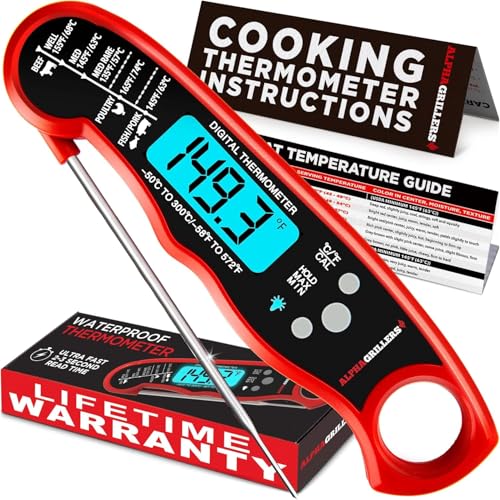
Instant Read Meat Thermometer
An accurate instant-read thermometer ensures you hit 140°F without overcooking and drying out the ham.
Serving and Leftovers
A twice-smoked spiral ham is already sliced, so serving is simple. Transfer it to a cutting board or platter, pull the slices apart gently, and brush on one final hit of warm glaze right before it hits the table. That glossy finish is what makes people reach for their phones first.
For a holiday spread, this ham works beautifully alongside roasted vegetables, scalloped potatoes, or a simple green salad. If you’re putting together a charcuterie or appetizer spread to start the meal, these charcuterie board ideas pair really well with the smoky-sweet ham as a centerpiece.
Leftovers are arguably the best part. Ham sandwiches, ham and bean soup, fried rice with diced ham, or ham added to scrambled eggs all stretch this into several more meals. If you’re looking for ways to get creative with leftover pork in general, pulled pork serving ideas offer a lot of the same inspiration even if your leftover is ham instead.
Frequently Asked Questions
Can I do this on a gas grill instead of a dedicated smoker?
Yes, with some setup. Use indirect heat by only lighting one or two burners on the side of the grill, not under the ham. Place a foil packet of soaked wood chips directly over an active burner. It won’t be as consistent as a smoker, but you’ll still get a meaningful amount of smoke flavor and the glaze will caramelize beautifully.
How do I keep the ham from drying out during the second smoke?
Three things help most: placing the ham cut-side down, keeping your smoker temperature at or below 250°F, and using a water pan. The spiral slices are the most vulnerable to moisture loss, so protecting that cut surface is key. Don’t skip the rest period at the end either. It lets the juices redistribute before you start pulling slices apart.
What size ham should I buy for a holiday crowd?
A good rule of thumb is about half a pound of bone-in ham per person, accounting for the weight of the bone. A 9-pound ham serves roughly 12 to 14 people comfortably as part of a larger meal with sides. If you want leftovers (and you do), go up a size. Most store spiral hams top out around 10 pounds, which is a manageable size for any standard smoker.
Getting a great holiday meal on the table doesn’t require an expensive centerpiece. A budget ham with the right technique genuinely competes with the premium options, and the process teaches you a lot about how smoke, heat, and sugar interact. If you enjoy getting more value out of affordable cuts, it’s worth exploring how budget cuts like chuck roast perform on the smoker as well. The same principles apply: patience, heat control, and a good glaze go a long way.
This article contains affiliate links. We may earn a small commission at no extra cost to you.


