
Why Your Smoked Wings Have Rubbery Skin and How to Fix It
You spent hours tending your smoker, pulled your wings at the perfect internal temp, and bit into what should…

You spent hours tending your smoker, pulled your wings at the perfect internal temp, and bit into what should have been a crispy, smoky masterpiece. Instead, the skin peeled back like wet paper. Rubbery, pale, and chewy. It’s one of the most common complaints from backyard pitmasters, and the fix is actually pretty simple once you understand what’s causing it.
Chicken skin turns rubbery when moisture gets trapped against it during cooking. Smoke alone won’t crisp skin. You need a combination of prep work, the right technique, and a blast of high heat. Here’s how to solve each part of the problem.
Disclosure: As an Amazon Associate, this site earns from qualifying purchases. Thank you!
Step 1: Dry the Skin Before It Ever Touches the Smoker

This is where most people go wrong. Wet skin steams instead of crisping. The goal is to pull as much surface moisture out of the skin as possible before cooking.
Pat the wings completely dry with paper towels. Then set them on a wire rack over a baking sheet and let them air-dry uncovered in the refrigerator for at least four hours. Overnight is better. The cold, dry air in your fridge acts like a mini dehumidifier on the skin.

Stainless Steel Wire Cooling Rack
An oven-safe wire rack is essential for air-drying wings in the fridge and finishing them in the oven without steaming the bottom side.
If you’re planning to brine your wings, dry brining works much better here than a wet brine. A wet brine adds moisture back into the skin, which is the last thing you want. If you do wet brine, make sure you give the wings plenty of dry rack time afterward. Our guide to essential brine formulas for chicken covers both methods in detail so you can choose the right approach for your cook.
Step 2: Use Baking Powder in Your Rub

This trick sounds odd but it works. Aluminum-free baking powder raises the pH of the chicken skin, which helps it brown faster and draw out moisture during the cook. You only need a small amount mixed into your dry rub.
A good ratio is about one teaspoon of baking powder per pound of wings. Mix it directly into your seasoning blend and coat the wings evenly. Make sure you’re using baking powder, not baking soda. Baking soda is much stronger and will leave a metallic taste on the skin.
Keep your rub simple if you’re going for crispy skin. Heavy rubs with lots of sugar can char before the skin has a chance to render, and excess moisture in wet rubs defeats the purpose of the dry rack step.
Step 3: Control Your Smoker Temperature

Low and slow is great for brisket and ribs, but it’s not the ideal approach for chicken skin. Smoking wings at 225°F for two hours will give you beautifully smoked meat wrapped in rubbery, pale skin. That low temp doesn’t render the fat under the skin quickly enough.
For wings, smoke at a higher temperature from the start. Aim for 275°F to 300°F. You’ll still get good smoke penetration, especially if you’re using quality wood, and the higher ambient heat starts working on the skin much earlier in the cook.
Your fuel choice also matters here. If you’re using charcoal, check out our breakdown of lump charcoal vs briquettes to understand how each option affects temperature management over a longer cook.
Step 4: Finish with High Heat

Even if you smoke at 275°F, the best way to guarantee crispy skin is a high-heat finish. This is the method that separates good smoked wings from great ones.
Once your wings hit an internal temperature of around 175°F to 180°F (thighs and wings benefit from going a bit higher than the standard 165°F), move them to a grill or oven cranked to 400°F to 425°F for about five to ten minutes per side. Watch them closely. You want the skin to tighten, blister slightly, and turn golden brown.
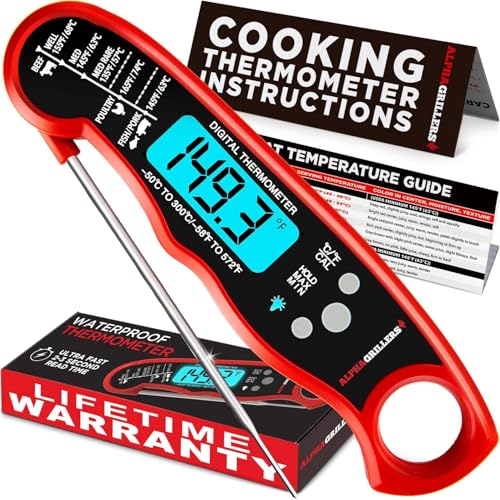
Instant Read Meat Thermometer
A fast and accurate instant-read thermometer takes the guesswork out of hitting that sweet spot before the high-heat finish.
A two-zone grill setup works perfectly for this. Finish the wings over direct heat for that final crisping stage. If you’re planning a full backyard spread, this wing technique pairs well with everything in our summer grilling menu ideas guide.
Frequently Asked Questions
Why does my smoked chicken skin shrink and get chewy instead of crispy?
Chewy, shrunken skin usually means the fat underneath never fully rendered. This happens at low cooking temps or when too much surface moisture was present. The fat needs heat to melt and crisp the skin from the inside out. Higher smoking temps (275°F+) combined with a high-heat finish solves this almost every time.
Can I use a pellet smoker to get crispy wings?
Yes, but most pellet smokers struggle to hit the temperatures needed for a proper high-heat finish. Run your pellet smoker as hot as it will go for the last stage of the cook, or pull the wings off and finish them in a hot oven or on a gas grill. The smoke flavor is already locked in by that point, so you won’t lose anything by switching heat sources for the final few minutes.
Getting crispy smoked wings consistently comes down to preparation more than anything else. Dry the skin, add baking powder, keep your smoker temp up, and always finish hot. Do all four of those things and the rubbery skin problem basically disappears.
This article contains affiliate links. We may earn a small commission at no extra cost to you.


