
How to Shop at a Butcher Shop: A Beginner’s Guide
Walking into a butcher shop for the first time feels intimidating. The glass display case, the unfamiliar cut names,…

Walking into a butcher shop for the first time feels intimidating. The glass display case, the unfamiliar cut names, and the pressure of having someone waiting for your order can make even confident home cooks nervous. But butcher shops offer advantages that grocery stores can’t match, and knowing how to navigate one opens up a world of better meat and personalized service.
Disclosure: As an Amazon Associate, this site earns from qualifying purchases. Thank you!
What Makes Butcher Shops Different
Butcher shops cut meat to order, which means everything is fresher than pre-packaged grocery store options. You can request specific thicknesses, custom trim levels, and cuts that grocery stores don’t carry. The butcher can recommend cuts for your specific recipe, suggest alternatives when something’s out of stock, and share cooking tips tailored to what you’re buying.
The meat at a butcher shop usually arrives in larger primals or sub-primals rather than pre-cut portions. This means the butcher can cut steaks from a whole strip loin just before you buy, versus grocery store steaks that may have been cut days earlier and wrapped in modified atmosphere packaging. The difference shows up in both color and flavor.
Many butcher shops also source differently than supermarkets. Some work directly with local farms, dry-age beef in-house, or source specific breeds (Berkshire pork, heritage turkeys, grass-finished beef). You won’t find these options vacuum-sealed in a grocery cooler.
How to Ask for What You Want
Be specific about thickness. “I’d like two ribeye steaks, 1.5 inches thick” gets better results than “I’d like some ribeyes.” Specify weight if it matters: “about 12 ounces each” helps the butcher cut to your needs.
If you’re unsure about thickness, reference a measurement. “Thick as this phone” or “about two fingers wide” works. The butcher will show you the cut before wrapping to confirm it matches what you want.
Don’t be afraid to ask questions. “What’s the best cut for braising?” or “What would you recommend for the grill this weekend?” are questions butchers love answering. Their expertise is part of what you’re paying for.
Tell them what you’re cooking. “I’m making pot roast” or “I need something for carne asada” gives the butcher context to recommend the right cut, trim level, and portion size. They’ll steer you toward chuck roast for the first and skirt steak for the second, and they can explain why those cuts work best.
If you’re on a budget, say so. Good butchers respect honesty and can point you toward cuts that deliver flavor without premium pricing. They’ll suggest chicken thighs instead of breasts, pork shoulder instead of tenderloin, or lesser-known beef cuts like flat iron or Denver steak.
Requesting Custom Cuts

Most butcher shops can grind custom blends (chuck and short rib for premium burgers), cut steaks from whole sub-primals, butterfly and tie roasts, and portion bulk purchases to your specifications. These services are usually free or included in the per-pound price.
Custom grinding makes a huge difference for burgers and meatballs. Ask for an 80/20 blend of chuck and brisket, or go 70/30 with added short rib for extra richness. The butcher grinds it fresh while you wait. Compare that to pre-ground grocery store beef that may have been ground days ago from trim of unknown origin.
You can also request specific trim levels. If you want a New York strip with the fat cap left on for extra flavor, ask. If you prefer minimal fat on a pork loin, say that. Grocery stores cut to a standard trim; butcher shops cut to your preference.
Butterflying and tying are free at most shops. A butterflied pork loin opens up stuffing options, and a tied roast cooks more evenly than an uneven slab. The butcher can also french a rack of lamb, remove silverskin from tenderloins, or debone a whole chicken if you want the bones for stock.
You can also request cuts that aren’t on display: hanger steak, teres major, beef cheeks, oxtail, and other underrated options. Good butchers often have these available but don’t display them because demand is low.
Flat iron steak, tri-tip, and Denver steak are other cuts worth asking about. They’re tender and flavorful but less common than ribeye or strip. If the shop doesn’t have them ready, they can often cut them from larger primals with a day’s notice.

Meat Cutting Board
A dedicated cutting board for meat prevents cross-contamination and gives you a proper surface for portioning custom cuts at home
Understanding Grades and Quality

Not all butcher shops carry USDA Prime, but many stock Choice cuts with better marbling than what you’ll find at grocery stores. USDA grades measure marbling, and within each grade there’s a wide range. A high-Choice ribeye from a butcher shop can rival low-Prime from a supermarket.
Ask what grade the shop carries and how they source their beef. Some shops work with specific ranches or buy direct from packers known for consistent quality. Others dry-age beef in-house, which concentrates flavor and tenderizes the meat through controlled moisture loss.
For pork, there’s no USDA grading system like beef has. Quality varies by breed and raising methods. Heritage breeds like Berkshire, Duroc, and Red Wattleford produce richer, darker pork with better marbling than commodity pork. Many butcher shops carry these premium breeds or can order them.
Chicken quality also varies. Air-chilled chicken (where birds are cooled with cold air instead of ice water baths) retains less added water and has better texture. Free-range and pasture-raised birds cost more but deliver actual flavor difference. Ask what the shop stocks and whether they can order specific types.
Building a Relationship
Becoming a regular customer at a butcher shop pays dividends. Regular customers get first pick on markdowns, advance notice on special orders, and honest recommendations based on the butcher’s knowledge of your preferences. Visit consistently, ask questions, and be friendly.
Tell the butcher what you cooked last time and how it turned out. “Those pork chops were perfect, but next time I’d like them thicker” helps them dial in exactly what you want. “The brisket was great” encourages them to set aside the next good one for you.
Regular customers also get access to odd cuts and trimmings. Beef fat trimmings for rendering tallow, pork bones for ramen stock, chicken feet for collagen-rich broth, these don’t always make it to the display case. Regulars know to ask.
Buying in Bulk
Many butcher shops offer discounts on whole sub-primals or large orders. A whole pork loin runs 8 to 12 pounds and costs less per pound than individual chops. The butcher can cut it into chops, roasts, or a mix of both, portion it to your specs, and vacuum-seal each package for the freezer.
Whole chickens are cheaper per pound than parts, and the butcher can break them down for you. Ask for the backbone and wing tips for stock. Nothing goes to waste, and you save compared to buying pre-cut parts.
Buying a quarter, half, or whole beef direct from farms through a butcher shop gets you the absolute lowest per-pound price, but you need serious freezer space. A quarter beef runs 90 to 120 pounds of packaged meat. You’ll get every cut from that animal: steaks, roasts, ground beef, stew meat, shanks, short ribs. The butcher processes it to your cutting instructions, which specify steak thickness, roast size, and how much meat goes to ground.
This route makes sense if you have a chest freezer, eat beef regularly, and want to lock in a year’s supply at wholesale pricing. It doesn’t make sense if you only cook steak once a month or don’t have storage.
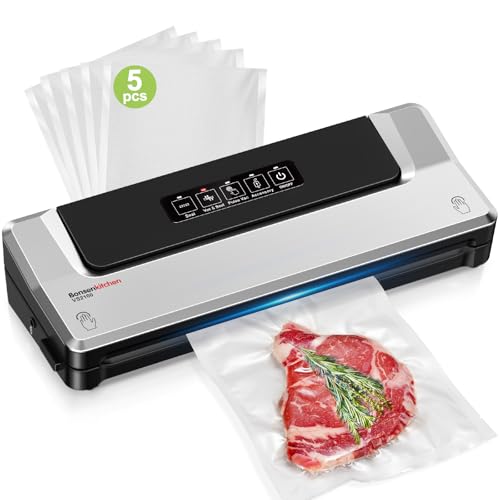
Vacuum Sealer for Meat
Essential for preserving bulk purchases and preventing freezer burn on custom cuts
The Price Question
Butcher shop prices are typically higher per pound than grocery store prices for the same grade of meat. The premium buys you freshness, custom service, and often higher quality within the same USDA grade. For everyday cooking, the premium may not be justified. For special occasions and specific needs (custom cuts, premium grades), the butcher shop delivers value that grocery stores can’t match.
The markup varies by cut and shop. Ground beef at a butcher might run higher per pound than at the supermarket. Ribeyes might cost more per pound at the butcher versus the grocery store for Choice grade.
The difference narrows when you compare apples to apples. A thick-cut, custom-trimmed ribeye from the butcher versus a thin, pre-packaged grocery steak isn’t a fair comparison. If the grocery store even stocks 1.5-inch steaks, they’re often Select grade or low-Choice.
Warehouse clubs (Costco, Sam’s Club) often beat butcher shop pricing on Prime grade beef, but you’re buying pre-cut steaks in multi-packs. You can’t request custom thickness or specific cuts. For pure price-per-pound on high-grade beef, warehouse clubs win. For service and customization, butcher shops win.
When to Shop Where
Use butcher shops for special occasion steaks, custom grinds, hard-to-find cuts, and situations where you want expert advice. Use grocery stores for everyday proteins and when price matters most. Use warehouse clubs for bulk buys of high-grade beef when you can use large quantities.
A typical strategy: buy everyday chicken, pork chops, and ground beef at the grocery store or Costco. Visit the butcher for holiday roasts, thick steaks for the grill, and specific cuts for special recipes.
Some home cooks do all their meat shopping at butcher shops once they find a good one. The quality and service justify the premium for them. Others visit the butcher once a month for something special and handle routine shopping at the supermarket. Neither approach is wrong.
What to Look for in a Good Shop

A good butcher shop is clean, well-organized, and staffed by people who know their products. The display case should be bright, meats should look fresh (not gray or oxidized), and the shop should smell clean, not funky.
Watch how the staff handles meat. They should use separate cutting boards for different proteins, change gloves between tasks, and keep the work area clean. These aren’t optional practices.
The butcher should be able to answer questions about sourcing, aging, and cooking methods without hesitation. If you ask where the beef comes from and get a vague answer, that’s a red flag. Good shops know their suppliers and are proud to share that information.
Check the case for variety. A shop that only stocks popular cuts (ribeye, strip, tenderloin) isn’t using the whole animal, which means they’re either selling the rest elsewhere or they’re just reselling pre-cut portions from a distributor. A real butcher shop carries the full range: cheap cuts, expensive cuts, odd cuts, bones, organ meats, trim.
Wild Game Processing
Some butcher shops process deer, elk, and other wild game during hunting season. This service typically includes skinning, butchering, grinding, and vacuum-sealing. Call ahead to confirm the shop offers game processing, what their rates are, and what their turnaround time looks like.
Processing fees usually run by the pound or as a flat rate per animal. You’ll get back steaks, roasts, ground meat, and sometimes jerky or sausage if the shop offers those options. Quality game processors know how to handle venison’s lean meat and can blend in pork or beef fat for better burgers and sausage.
Many butchers can also help you create custom products from your harvest. Venison bratwurst, venison salami, and venison kielbasa all start with a good relationship with a butcher who understands game meat.
Frequently Asked Questions
Are butcher shops more expensive than grocery stores?
Usually yes, by 10% to 30% on comparable cuts. The premium covers the personalized service, custom cutting, and often better quality. For budget-focused shopping, grocery stores and warehouse clubs offer lower prices.
The price gap matters less when you factor in waste. A grocery store steak with excess fat you trim off costs more per usable pound than a custom-trimmed butcher shop steak. Custom grinding also eliminates the water and additives that plump grocery store ground beef, so you’re paying for actual meat instead of filler.
Can I order ahead?
Most butcher shops accept phone or in-person advance orders. Ordering ahead ensures your specific cut is ready when you arrive and gives the butcher time to prepare custom requests.
For specialty items (crown roast, beef tongue, whole lamb leg), call at least a week ahead. For standard cuts in custom sizes, a day or two is usually enough. Holiday ordering (Thanksgiving turkeys, Christmas standing rib roasts) requires more lead time, often two to three weeks.
Do butcher shops sell cheaper cuts?
Absolutely. Butcher shops carry the full range of cuts, including budget options like stew meat, ground beef, and soup bones. Some shops offer trimmings and odd cuts at steep discounts. Ask what they have in the back that isn’t displayed.
Soup bones, marrow bones, and neck bones are often free or very cheap. These make rich stocks and bone broth. Beef shank, pork shoulder, and chicken leg quarters deliver great flavor at low cost. A good butcher can suggest budget cuts that fit your recipe.
How do I find a good butcher shop?
Ask friends, neighbors, and local food groups for recommendations. Check Google and Yelp reviews, focusing on comments about meat quality and staff knowledge rather than store ambiance. Visit during a weekday morning when the butchers aren’t rushed and have time to chat.
Farmers’ markets are another great place to discover local butchers and meat producers. Many small-scale butchers sell direct at markets and can point you to their shop for custom cuts and larger orders.
Look for shops that have been in business for years. Longevity signals consistent quality and a loyal customer base. Newer shops can be excellent too, especially if they’re run by butchers who trained at established shops and branched out.
What cuts should I try first as a beginner?
Start with forgiving cuts that are hard to mess up. Pork shoulder for pulled pork, chuck roast for pot roast, chicken thighs for weeknight dinners. These cuts have enough fat and connective tissue that they stay moist even if you overcook them slightly.
Once you’re comfortable, move to steaks. Ask for a ribeye or strip steak cut 1.25 to 1.5 inches thick. Thicker steaks are easier to cook properly because you can get a good sear without overcooking the interior. The butcher can walk you through target temperatures and resting times.
This article contains affiliate links. We may earn a small commission at no extra cost to you.


