
How to Double-Smoke a Pre-Cooked Ham or Roast for More Flavor
A pre-cooked ham or store-bought smoked roast is one of the best budget shortcuts in the meat department. It’s…

A pre-cooked ham or store-bought smoked roast is one of the best budget shortcuts in the meat department. It’s already safe to eat, already tender, and usually on sale around the holidays. But that factory smoke flavor is thin at best, and the glaze that comes in the packet? You can do a lot better. Running one of these through your smoker for a couple of hours transforms a grocery store staple into something that genuinely tastes like you put in real effort.
This technique works on spiral-cut hams, bone-in picnic hams, pre-cooked pork shoulder roasts, and even some pre-cooked beef roasts. The goal isn’t to cook the meat from scratch. You’re adding a layer of real wood smoke, building a caramelized crust, and keeping everything moist in the process. Here’s how to do it right.
Disclosure: As an Amazon Associate, this site earns from qualifying purchases. Thank you!
Why Double-Smoking Works
Pre-cooked hams are smoked at the processing plant, but that smoke is usually light, quick, and applied at lower temperatures in industrial equipment. It gets the job done for food safety, but it doesn’t give you that deep, mahogany bark or real smoke ring you’d get from a backyard smoker.
When you run a pre-cooked ham through your own smoker, you’re not re-cooking it in the traditional sense. You’re slowly bringing it up to serving temperature while bathing it in wood smoke the whole time. The fat layers render slightly, the surface dries out just enough to hold a glaze, and the new smoke binds to the meat. The result tastes nothing like the original.
If you’ve experimented with adding smoke to cheaper cuts before, you already know how much it changes the final product. For similar budget-friendly smoking ideas, check out our guide on best budget brisket alternatives for smoking, which covers chuck roast and other cuts that respond well to low-and-slow treatment.
Choosing Your Fuel and Wood

For double-smoking, you want a clean, steady smoke source. Heavy or dirty smoke will make the ham taste acrid, especially since the meat is already cooked and you don’t have hours of fat rendering to mellow things out.
Fruit woods are the classic pairing for pork. Apple and cherry are both excellent choices. Hickory works too, but use it in small amounts or blend it with apple so it doesn’t overpower. For beef roasts, oak or pecan gives a more savory result.
If you’re running a charcoal smoker, the fuel you use matters more than people think. Our breakdown of lump charcoal vs briquettes is worth reading before you fire up, since lump tends to burn cleaner and is a better fit for long smoke sessions where you want consistent, controllable heat.
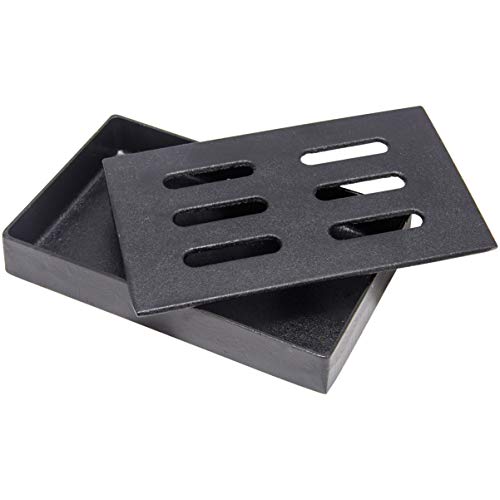
Smoker Box for Wood Chips
A cast iron smoker box lets you add real wood chip smoke on a gas grill without the chips burning up too fast.
If you’re using a gas grill rather than a dedicated smoker, a cast iron smoker box is your best friend for this technique. Soak your chips for 20 minutes, pack the box, and place it directly over a lit burner while the ham sits on the indirect side of the grill.
Temperature and Timing

This is where most people either nail it or dry the meat out completely. Pre-cooked ham doesn’t need to hit a high internal temp. You’re just warming it through and adding smoke. Keep your smoker between 225°F and 250°F.
Pull the ham when its internal temperature hits 140°F. That’s the USDA guideline for reheating pre-cooked pork, and it’s also the sweet spot where the meat is hot and juicy without having pushed all the moisture out. Going past 160°F is where things start to dry out fast.
As a rough timing guide, plan for about 15 to 18 minutes per pound at 225°F to 250°F. A 7-pound spiral ham will usually take around 2 to 2.5 hours. Use a reliable leave-in probe thermometer and trust the temperature, not the clock.

Wireless Leave-In Meat Thermometer
A wireless probe thermometer lets you monitor the ham’s internal temperature without opening the smoker and losing heat.
Building a Glaze That Actually Sticks

A good double-smoked ham deserves a glaze applied during the last 30 to 45 minutes of the cook. Apply it too early and it burns. Apply it once at the end and it doesn’t have time to set into that glossy, caramelized coating you’re after.
A simple glaze that works every time: equal parts brown sugar and Dijon mustard, plus a splash of apple cider vinegar and a pinch of cayenne. If you want to get more complex, add a tablespoon of bourbon or a spoonful of orange marmalade. Mix it together, brush it on every 10 to 15 minutes during that final window, and you’ll get real layering and depth.
For spiral-cut hams, open up the slices a bit with your hands so the glaze gets down between the layers. That’s where the best bites come from.
Glaze Variations Worth Trying
- Honey-sriracha: 3 tablespoons honey, 1 tablespoon sriracha, 1 teaspoon rice vinegar. Sweet heat with a slight tang.
- Maple-clove: 1/4 cup maple syrup, 1 teaspoon ground cloves, 1 tablespoon butter. Classic holiday profile.
- Cherry chipotle: 1/4 cup cherry preserves, 1 chipotle pepper in adobo (minced), juice of half a lime. Great with fruit wood smoke.
Keeping the Meat Moist

The biggest risk with double-smoking is drying out the outer layers before the center comes up to temperature. A few simple steps prevent this.
Start by scoring the fat cap in a crosshatch pattern if your ham has one. This helps the smoke and glaze penetrate without letting too much moisture escape. You can also place the ham cut-side down in a foil pan with about a half cup of apple juice or chicken stock in the bottom. The steam from that liquid keeps the environment humid inside the smoker right around the meat.
Another option is to wrap the ham loosely in foil for the first half of the cook, then unwrap for the second half when you add the glaze. This is similar to the Texas crutch method used in brisket smoking. It slows moisture loss and lets the interior temperature rise faster without stressing the outer meat.
Brining is overkill for pre-cooked ham since it’s already been cured, but if you’re double-smoking a pre-cooked pork roast that wasn’t cured, a simple brine the night before will make a noticeable difference. Our guide to essential brine formulas for pork has the ratios and timing you need.
Serving and Leftovers
Let the ham rest for 15 minutes after pulling it from the smoker. This lets the juices redistribute before you slice into it. Don’t skip the rest, especially with spiral hams, which can shed a lot of liquid if you cut them immediately.
Double-smoked ham slices beautifully for a crowd, but leftovers are just as good. Thin slices work great on a charcuterie board alongside mustards and pickles. Larger chunks can go into beans, soup, or hash. Nothing goes to waste.
If you’re planning a bigger spread around your smoked ham, our BBQ party setup ideas article has practical tips for organizing the cook and the table when you’re feeding a group.

Wood Smoking Chunks for Smoker
Apple and cherry smoking chunks burn slower than chips and are ideal for longer smokes like double-smoking a full ham.
Frequently Asked Questions
Can you double-smoke a ham in the oven instead of a smoker?
You can get the glaze and the reheating done in an oven, but you won’t get real smoke flavor without an actual smoke source. If you only have an oven, try adding a small amount of smoked paprika and liquid smoke to your glaze to mimic some of that depth. It won’t be the same, but it moves the flavor in the right direction.
What’s the best kind of pre-cooked ham to use for this?
Bone-in hams hold moisture better than boneless and tend to have more fat to work with, which gives better flavor after smoking. Spiral-cut hams are convenient because the glaze gets between the slices, but they can dry out faster since all those cut surfaces are exposed to heat. If you’re using a spiral cut, keep your temps on the lower end and don’t skip the foil pan with liquid.
Can this technique work on pre-cooked beef roasts?
Yes, with some adjustments. Pre-cooked beef roasts are typically leaner than ham, so drying out is an even bigger concern. Wrap in foil for most of the cook, use oak or pecan for smoke, and pull it at around 130°F to 135°F for slicing. A simple au jus or red wine reduction makes a better finish than a sweet glaze for beef.
This article contains affiliate links. We may earn a small commission at no extra cost to you.


