
Why Bacon-Wrapped Snacks Come Out Soft Instead of Crispy
You spent time wrapping each piece perfectly, secured the toothpicks, and pulled what should have been a tray of…

You spent time wrapping each piece perfectly, secured the toothpicks, and pulled what should have been a tray of crispy, smoky bacon-wrapped snacks off the grill or out of the smoker. Instead, you got pale, rubbery bacon clinging to whatever was inside, with zero crunch and a texture that belongs on a sad breakfast plate, not your appetizer spread. It’s one of the most frustrating results in backyard cooking because the fix is usually simple once you know what went wrong.
Soft bacon on wrapped snacks almost always comes down to four things: bacon thickness, cooking temperature, whether or not you partially pre-cooked the bacon, and how you positioned the food during cooking. Fix any one of them and you’ll see improvement. Fix all four and you’ll never pull a flabby bacon wrap off the grill again.
Disclosure: As an Amazon Associate, this site earns from qualifying purchases. Thank you!
Why Bacon Won’t Crisp in Certain Conditions
Bacon crisps when its fat renders out and the moisture evaporates. That process requires sustained heat and airflow. When you wrap bacon around something moist like a shrimp, jalapeño, or water chestnut, the food releases steam during cooking. That steam keeps the bacon wet, which prevents crisping no matter how long you cook it.
On top of that, the wrapped item itself can act as insulation. The bacon on the underside sits against the surface of the food instead of facing hot air, so it steams from the inside while the outer surface tries to crisp. You end up with one surface that’s almost there and another that’s completely soft.
Bacon Thickness Is the First Thing to Fix
Thick-cut bacon is not your friend here. It takes longer to render, meaning the filling inside often overcooks before the bacon even gets close to crispy. Standard thin-cut or regular-cut bacon, usually labeled as 18-22 slices per pound, is what you want for wrapping.
Thin bacon has less fat to render and less moisture to drive off, so it crisps faster and at lower temperatures. Look for grocery store bacon labeled “regular cut” rather than “thick cut” or “butcher’s cut.” Some competitive pitmasters even use center-cut bacon for wraps because the leaner slices crispen more reliably.
If you only have thick-cut bacon on hand, you can partially freeze the slices and then cut them in half lengthwise. Thinner strips render faster and wrap more tightly around small items like jalapeño poppers or little smokies. It’s a simple adjustment that makes a real difference.
Smoker Temperature Matters More Than You Think

A lot of recipes call for bacon-wrapped snacks at 225°F to 250°F because that’s where most smoking happens. The problem is that low-and-slow temperatures are designed to break down collagen, not to crisp fat. At 225°F, bacon renders but never gets the surface heat it needs to go from soft to snappy.
For bacon-wrapped anything, you want your smoker or grill running between 300°F and 350°F. This is hot enough to drive off moisture quickly and caramelize the surface of the bacon before the filling turns to mush. If you’re using a charcoal setup, the choice of fuel actually affects your ability to hit and hold that range. A quick read through lump charcoal vs briquettes can help you decide which burns hotter and more consistently for this kind of application.
If you’re committed to smoking at lower temps for flavor reasons, plan on finishing the snacks over direct high heat for the last few minutes. Move them to the hot side of your grill or under a broiler briefly just before serving. The blast of heat at the end will tighten and crisp the bacon without overcooking the interior.
Pre-Cooking the Bacon Changes Everything

Partially pre-cooking bacon before wrapping is one of the most underused techniques in backyard cooking. The idea is simple: cook the bacon about 40 to 50 percent of the way in a skillet or in the oven before you ever wrap it around anything. You want it pliable and partially rendered but absolutely not crispy yet.
When you partially pre-cook bacon, two things happen. First, you drive off a big portion of the excess moisture so there’s less steam to deal with during the main cook. Second, you reduce the fat content in the strip, which means the remaining fat renders and crisps quickly once it’s on the grill or in the smoker.
To do this in the oven, lay slices on a wire rack set over a baking sheet and bake at 375°F for about 8 to 10 minutes. Pull them when they’re just starting to look cooked but are still completely flexible. Let them cool slightly before wrapping so they don’t burn your fingers and so they hold their shape once wrapped. Secure with toothpicks and cook as normal. You’ll notice a dramatic difference in how much they crisp up.
If you enjoy putting together snack spreads with cured and cooked meats, a well-executed bacon-wrapped bite can actually anchor a larger spread. Check out these charcuterie board ideas for inspiration on building around a centerpiece appetizer like bacon-wrapped dates or figs.
Racks Are the Secret Weapon Most People Skip

Cooking bacon-wrapped snacks directly on a sheet pan or flat grill grate creates a moisture trap. The bacon on the bottom sits in pooled fat and drippings, steaming instead of crisping. Elevating the food with a wire rack fixes this completely.
A wire rack allows hot air to circulate underneath and around each piece. The drippings fall away rather than pooling, and every surface of the bacon gets exposed to heat. This is the same principle that makes oven-baked bacon so much crispier than pan-fried when you use a rack.

Stainless Steel Wire Cooling Rack
A heavy-duty, oven-safe stainless rack elevates bacon-wrapped snacks for all-around airflow and crispier results every time.
Look for a rack that fits inside a standard half-sheet pan. Stainless steel is worth the upgrade over chrome-plated options because it won’t flake at high temps and it cleans up without rust issues after repeated use. For smoker cooking, you can place the rack directly on your smoker grate to get the same airflow benefit.
On a grill, try using a grill basket or a perforated grill pan if you’re worried about small pieces falling through the grates. The goal is the same: keep the food elevated and surrounded by moving hot air.
The Toothpick Problem and How to Fix It
Toothpicks are necessary to hold wrapped bacon in place, but if you don’t soak wooden ones in water for at least 30 minutes before cooking, they’ll char and sometimes ignite. Beyond that, the placement of toothpicks affects how evenly the bacon crisps. If you skewer through multiple layers of bacon, you create a thick spot that takes longer to render and often stays soft.
Try to use a single toothpick that catches the overlapping end of the bacon and anchors it to the filling rather than threading it through multiple bacon layers. This keeps the thickness consistent and gives you more even crisping across the whole surface.
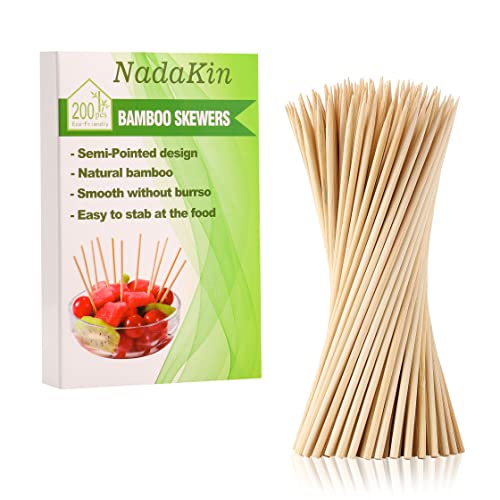
Bamboo Toothpicks for Grilling
Long bamboo picks hold wrapped appetizers together without charring when pre-soaked in water before grilling.
Glazes and Sugars Can Work Against You

Brown sugar is a popular addition to bacon-wrapped snacks, and for good reason. It adds a sweet-savory crust that’s genuinely delicious. But applied too early, sugar glazes create a sticky outer layer that traps steam and prevents crisping. The sugar liquefies, seals the surface, and the bacon beneath never gets the airflow it needs.
Apply any brown sugar, glaze, or sauce in the last 10 to 15 minutes of cooking only. By that point, most of the moisture has already cooked off and the bacon is close to done. The sugar will caramelize quickly in the remaining heat without creating a steam barrier. This timing adjustment gives you that sticky, lacquered finish without sacrificing texture.
If you want to skip the sugar and let the smoke do the work, consider wrapping savory fillings that pair naturally with plain bacon. A bacon-wrapped venison tenderloin stuffed with blue cheese is a great example of a preparation where the richness of the filling doesn’t need any added sweetness to taste incredible.
Best Fillings for Reliable Crisping
Some fillings are simply harder to work with than others. High-moisture fillings like fresh pineapple, tomatoes, or raw onion release a lot of liquid during cooking and fight against crisping no matter what you do. Lower-moisture options give you a much better result with less effort.
Good candidates for bacon wrapping include:
- Little smokies or cocktail sausages (already cooked, low moisture)
- Jalapeño halves stuffed with cream cheese (the cheese holds moisture inside)
- Water chestnuts (surprisingly dry for a canned product)
- Scallops (pat them completely dry before wrapping)
- Shrimp (devein, peel, and dry thoroughly with paper towels)
- Venison or other game meat chunks (lean and low-moisture)
For anything with naturally high moisture content, pat the filling dry with paper towels before wrapping. Even a quick 30-minute salting to draw out excess water can help with items like shrimp or mushrooms. It’s an extra step, but it’s the same technique used in brining and moisture management for larger cuts. The principles behind brine formulas for poultry and pork translate directly to understanding how moisture affects texture during cooking.
Frequently Asked Questions
Can I cook bacon-wrapped snacks at a low smoker temperature and still get crispy bacon?
You can, but you’ll need a finishing step. Cook at your preferred low temp for smoke flavor, then transfer to a hot grill or place under a broiler for the final 5 to 7 minutes. The burst of high heat at the end will crisp the bacon without overcooking the filling. Just watch them closely because they can go from perfect to burnt quickly under a broiler.
How do I know when the bacon is actually done and crispy, not just cooked?
Look for a deep reddish-brown color with visible texture on the surface. Cooked but soft bacon will look pale pinkish-gray and will feel rubbery when you poke it. Properly crisped bacon will feel firm, look darker, and hold its shape when you pick it up. Internal temp of the filling is your guide for the inside; visual cues and texture are your guide for the bacon wrap itself.
Do I need to flip bacon-wrapped snacks while cooking?
On a grill or under a broiler, yes. Flip them at least once so both sides get direct heat. In a smoker or convection oven with good airflow and a wire rack, flipping is less critical because the circulating heat reaches all sides. If you notice one side browning faster than the other, rotate the pieces and move them to a different spot on the rack.
What’s the best way to reheat leftover bacon-wrapped appetizers without them getting soggy?
Never reheat them in the microwave. Use an air fryer at 375°F for 3 to 4 minutes or a regular oven at 400°F on a wire rack for 8 to 10 minutes. Both methods restore crispness by using dry heat. The air fryer is faster and tends to produce better results for small pieces. A microwave steams everything and turns crispy bacon back into a chewy, soft mess.
Putting It All Together
Crispy bacon-wrapped snacks aren’t hard to pull off once you understand what’s working against you. Use thin-cut bacon, pre-cook it partway before wrapping, run your smoker or grill hotter than you think necessary, elevate everything on a wire rack, and hold off on any glazes until the very end. Follow those steps and you’ll get the snap and caramel-edged crust that makes bacon wraps worth making in the first place.
If you’re building out a full appetizer or party spread, bacon-wrapped bites fit naturally alongside other crowd favorites. Take a look at these BBQ party setup ideas for help organizing a spread that keeps everything hot and crispy from the time it comes off the grill to the time it hits the table.
This article contains affiliate links. We may earn a small commission at no extra cost to you.


