
Smoked Pork Carnitas From a Cheap Pork Shoulder
Pork shoulder is one of those cuts that over-delivers every single time. It’s cheap, it’s forgiving, and when you…

Pork shoulder is one of those cuts that over-delivers every single time. It’s cheap, it’s forgiving, and when you run it through a smoker before crisping it in a hot pan, you get carnitas that outperform anything at your local taqueria. One eight-pound shoulder can feed a crowd multiple times over, and the method is more accessible than most people think.
If you’ve been relying on the slow cooker alone for carnitas, you’re leaving a lot of flavor on the table. Smoking first builds a bark and a smoke ring that braising alone can never replicate. Then a quick sear in rendered fat creates those crispy, caramelized edges that make carnitas worth eating by the fistful.
Disclosure: As an Amazon Associate, this site earns from qualifying purchases. Thank you!
Choosing and Prepping Your Pork Shoulder

Bone-in pork shoulder (also called pork butt or Boston butt) is what you want. The bone adds flavor during the smoke, and the fat cap keeps everything moist. Look for a piece between seven and ten pounds. Bigger cuts give you more leftovers to stretch through the week, and pork shoulder is one of the best budget meats for protein you’ll find at any grocery store.
The night before, coat the shoulder generously with a dry rub. A simple mix works well:
- 2 tablespoons kosher salt
- 1 tablespoon black pepper
- 1 tablespoon cumin
- 1 tablespoon smoked paprika
- 1 teaspoon dried oregano
- 1 teaspoon garlic powder
- 1 teaspoon onion powder
- Zest of one orange
Wrap it tightly and refrigerate overnight. The salt draws moisture to the surface and then reabsorbs, seasoning the meat all the way through. You can also apply a light brine the day before if you want even deeper seasoning. Check out these essential brine formulas for pork if you want to go that route.
The Smoke-Then-Crisp Method

Smoking the Shoulder
Set your smoker to 250°F and use a fruit wood like apple or cherry, or mix in some oak for a heavier smoke. These woods complement pork without overpowering it. If you’re cooking over charcoal, the choice between lump charcoal and briquettes actually matters here. Lump burns hotter and cleaner, which works well for longer cooks.
Smoke the shoulder fat-side up at 250°F until it hits an internal temperature of 165°F. This usually takes four to five hours depending on size. At this point you have a decision to make: wrap or don’t wrap.
Wrapping in butcher paper (the Texas crutch) speeds things up and keeps moisture in, but it softens the bark slightly. For carnitas, that’s actually fine because you’re going to crisp everything in a pan later. Wrap at 165°F and keep cooking until you hit 200 to 205°F internal temperature.
Pull the shoulder off the smoker and let it rest, still wrapped, for at least 45 minutes. An hour is better.

Wireless Meat Thermometer
A wireless thermometer lets you track internal temp from your couch without lifting the lid every hour.
The Crisp
This is the step most people skip, and it’s the whole point. After the shoulder rests, pull the meat apart into large chunks, keeping some bigger pieces intact. Collect all the rendered fat and juices from the wrap.
Heat a cast iron skillet or a wide cast iron Dutch oven over high heat. Add a ladleful of the rendered pork fat. Working in batches, spread the pulled meat in a single layer and press it down. Leave it alone for two to three minutes until the bottom is deeply browned and crispy. Toss and repeat.
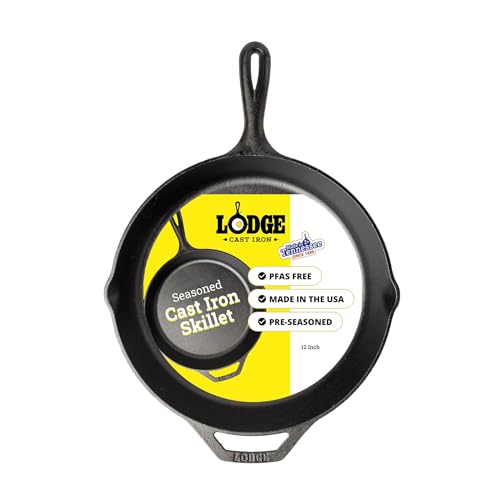
Cast Iron Skillet
A heavy 12-inch cast iron skillet holds heat evenly and gets those edges caramelized properly.
Add a splash of orange juice and a squeeze of lime right at the end. It’ll sizzle and caramelize against the hot iron, coating every piece with citrusy, porky goodness. Pull it off the heat immediately.
Stretching One Shoulder Into Multiple Meals

An eight-pound bone-in shoulder yields roughly five to six pounds of cooked meat after smoke and moisture loss. That’s a serious amount of food if you plan it right.
- Tacos: The obvious first use. Corn tortillas, white onion, cilantro, salsa verde. Done.
- Carnitas bowls: Rice, black beans, pickled jalapeños, a fried egg on top.
- Loaded nachos: Spread on a sheet pan and broil until the cheese bubbles.
- Breakfast burritos: Scrambled eggs, carnitas, roasted peppers, flour tortillas.
- Quesadillas: Fast lunch using whatever cheese you have on hand.
Freeze portions in two-cup bags with a splash of the cooking liquid to keep things moist. It reheats in a skillet in about five minutes. For more ways to use a big pork cook, take a look at these pulled pork serving ideas that go well beyond the standard sandwich.
If you want to see how this approach compares to other low-cost smoking projects, the best budget brisket alternatives for smoking is a solid companion read. Chuck roast and pork shoulder cover a lot of the same ground at a fraction of the price of brisket.
Frequently Asked Questions
Can I make smoked carnitas without a dedicated smoker?
Yes. A kettle grill works well using the two-zone setup. Bank your coals to one side, add wood chunks on top, and place the shoulder on the cool side with the lid vent over the meat. Maintain 250°F by adjusting your vents and adding coals every hour or so. It takes more attention than a pellet smoker but the results are just as good.
How do I store and reheat carnitas without drying them out?
Store in airtight containers with a few tablespoons of the rendered cooking liquid mixed in. Reheat in a dry skillet over medium-high heat to crisp the edges back up, or microwave with a damp paper towel over the container if you’re in a hurry. Avoid reheating in the oven uncovered because it pulls moisture out fast. The skillet method keeps that texture closest to fresh off the fire.
This article contains affiliate links. We may earn a small commission at no extra cost to you.


