
Picnic Ham vs Spiral Ham: Which Is the Better Value
Every holiday season, the same debate plays out in grocery store parking lots: do you grab the big, cheap…

Every holiday season, the same debate plays out in grocery store parking lots: do you grab the big, cheap picnic ham or spring for the convenient spiral-cut? Both will feed a crowd. Both are technically ham. But they’re very different animals when it comes to yield, flavor, and how much work you’re putting in on the day.
This breakdown will help you figure out which one actually makes sense for your table, your budget, and your patience level.
Disclosure: As an Amazon Associate, this site earns from qualifying purchases. Thank you!
What You’re Actually Buying

A picnic ham (also called a picnic shoulder or fresh picnic) comes from the lower part of the front leg. It’s a rougher, fattier cut with more connective tissue, and it often includes the skin and bone. It’s typically sold bone-in and can weigh anywhere from 5 to 10 pounds.
A spiral ham comes from the hind leg, which is the traditional “true” ham. It’s already fully cooked, pre-sliced, and usually comes with a glaze packet. You’re essentially just heating it up. Spiral hams range from about 7 to 12 pounds, though you can find larger ones for big gatherings.
These two cuts are not really the same product. The picnic is a budget raw cut that needs real cooking. The spiral is a finished, premium convenience product. That distinction shapes everything else in this comparison.
Yield, Flavor, and Effort: Side by Side

Yield and Value per Pound
Picnic ham looks like a deal at the shelf price, but the yield tells a different story. Between the skin, the large bone, and the fat cap, you might only get 50 to 60 percent usable meat from a picnic ham. On a 7-pound picnic, that’s roughly 3.5 to 4 pounds of actual meat on the table.
Spiral hams have bone too, but the hind leg is a more uniform cut. You can expect around 65 to 70 percent usable meat. Add in the fact that it’s already sliced, and there’s very little waste from awkward carving.
If you’re feeding a large group and every pound matters, run the numbers on usable meat rather than sticker price. The picnic often looks cheaper until you do the math. For more ways to stretch your meat budget without sacrificing quality, check out these smart ways to save money on meat at the grocery store.
Flavor
This is where the picnic ham can surprise you. Because it has more fat and connective tissue, a properly cooked picnic ham has deep, porky, almost pulled-pork-style richness. Low and slow in the oven or a smoker gives you tender, juicy meat with real complexity.
Spiral hams are cured and smoked by the processor, so the flavor is more controlled and consistent, but also somewhat milder and saltier. The glaze packet helps, but you’re not getting the same depth you’d get from a raw cut you cooked yourself.
If you enjoy the process and want maximum flavor payoff, the picnic wins here. For those who want to take the flavor even further, a good brine before cooking makes a noticeable difference. Our essential brine formulas for pork are a solid starting point.
Effort and Convenience
Spiral ham is about as low-effort as holiday cooking gets. You cover it, add some glaze, and warm it in the oven at 325°F for about 15 minutes per pound. There’s no guesswork, no internal temp anxiety, and cleanup is minimal.
Picnic ham is a project. You’re looking at a 4 to 6 hour cook at low heat (around 325°F) for a bone-in cut, plus resting time and carving. It rewards patience, but it demands time and attention you may not have on a busy holiday.
For a holiday ham, a quality roasting pan with rack makes a real difference for either cut, keeping the ham elevated above its drippings and promoting even browning.
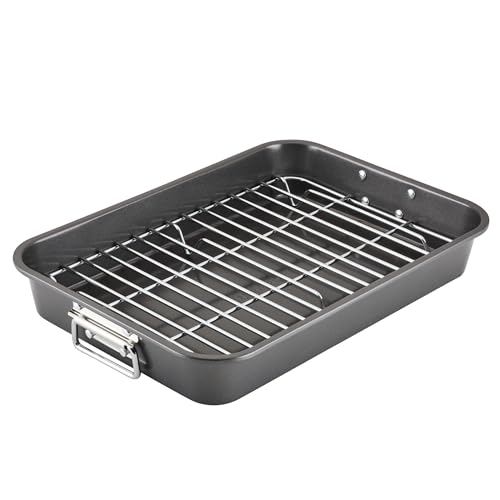
Roasting Pan with Rack
A sturdy roasting pan with a rack is essential for both picnic ham and spiral ham, helping the heat circulate evenly and giving you those flavorful drippings for a pan sauce or gravy.
The Leftover Factor

Both cuts shine in leftovers. Picnic ham shreds beautifully into pulled pork-style dishes, tacos, sandwiches, and soups. Spiral ham slices make clean, easy additions to charcuterie boards, breakfast skillets, and pasta dishes.
If you want flexibility with leftovers, the picnic gives you more to work with in shredded applications. If you want clean slices for easy meals throughout the week, spiral ham has the edge.
Frequently Asked Questions
Can you smoke a picnic ham instead of oven-roasting it?
Absolutely, and many people prefer it that way. Smoking a picnic ham at around 225 to 250°F until it hits an internal temp of 185 to 190°F gives you incredibly tender, deeply flavored meat. It takes longer than oven roasting, usually 6 to 8 hours depending on size, but the result is closer to pulled pork than traditional holiday ham.
Is a spiral ham already cooked or does it need to be cooked through?
Most spiral hams sold at grocery stores are fully cooked and just need to be warmed. Check the label for “fully cooked” or “ready to eat.” You’re targeting an internal temperature of 140°F when reheating. Raw or “fresh” spiral hams exist but are far less common. If yours says “cook before eating,” treat it like the picnic and cook it to 145°F internal.
The Verdict

For a stress-free holiday meal where the ham is just one part of a big spread, spiral ham wins. It’s reliable, easy, and feeds a crowd without drama.
If you want maximum flavor, enjoy cooking as part of the holiday experience, and don’t mind the extra effort, picnic ham is worth every bit of the work. It’s genuinely better eating when done right, and the leftover potential is hard to beat.
Buy the picnic when you have time and want flavor. Buy the spiral when you need to keep things simple. There’s no wrong answer as long as you go in knowing what you’re working with.
This article contains affiliate links. We may earn a small commission at no extra cost to you.


