
Pork Steak: The Cheap Cut Midwest BBQ Loves
Pork steaks don’t get nearly enough credit outside of the Midwest. If you’ve ever been to a backyard cookout…

Pork steaks don’t get nearly enough credit outside of the Midwest. If you’ve ever been to a backyard cookout in St. Louis, you already know these thick, marbled cuts are the star of the grill. If you haven’t, you’re missing one of the best budget cuts in the entire meat case.
They’re cheap, they’re forgiving, and when cooked right, they’re fall-off-the-bone tender with a rich, porky flavor that puts a lot of pricier cuts to shame. Here’s everything you need to know about pork steaks, from what they actually are to how to cook them properly.
Disclosure: As an Amazon Associate, this site earns from qualifying purchases. Thank you!
What Is a Pork Steak, Exactly?

A pork steak is a thick slice cut from the pork shoulder, also called the pork butt or Boston butt. Your butcher is essentially taking the same muscle that goes into pulled pork and cutting it into steak-shaped slabs, usually about three-quarters of an inch to an inch thick.
Because the shoulder is a well-worked muscle, it has a lot of connective tissue and intramuscular fat running through it. That’s actually a good thing. That fat and collagen melt during cooking and keep the meat incredibly moist and flavorful, something you don’t always get with leaner pork chops.
This is why pork steaks fit right in alongside other underrated budget cuts that rival premium options. They’re genuinely delicious, not just a “good for the price” consolation prize.
What to Look for at the Store

Not all pork steaks look the same in the case, and a few quick checks will help you pick the best ones.
- Thickness matters. You want steaks that are at least three-quarters of an inch thick. Thinner cuts dry out too fast on the grill before the connective tissue has time to break down.
- Look for marbling. You should see visible fat streaks running through the meat, not just a fat cap on the edge. More marbling means more flavor and moisture.
- Color should be pinkish-red. Avoid any cuts that look pale, grayish, or have a lot of liquid pooled in the tray. That excess liquid usually means the pork was frozen and thawed poorly.
- Bone-in or boneless? Bone-in pork steaks have more flavor and are the traditional choice for St. Louis-style BBQ. Boneless are fine too and cook a little more evenly, but go bone-in if you can find them.
Many grocery store butcher counters will cut pork steaks to order if you ask, which means you can specify your preferred thickness. Don’t be shy about requesting that. For tips on getting the most out of your butcher, check out this guide on how to use grocery store butcher counter services to save money.
The St. Louis BBQ Method (Low and Slow on the Grill)

St. Louis is the heartland of pork steak culture, and the local method is simple: grill them low and slow, then finish with a heavy coat of sauce. The goal is to let the connective tissue melt down so the meat gets tender, not to just char the outside and call it done.
Setting Up Your Grill
You want a two-zone fire. Bank your coals to one side and leave the other side without any heat directly underneath. Start the pork steaks over indirect heat, cover the grill, and let them cook at around 275 to 300 degrees for 45 minutes to an hour.
Charcoal is the preferred fuel for pork steaks. If you’re torn between fuel types, take a look at this breakdown of lump charcoal vs briquettes for grilling to figure out which works best for your setup.
The Sauce Finish
Once the pork steaks have cooked through over indirect heat and hit an internal temp of around 185 to 190 degrees (yes, higher than you’d cook a pork chop, because you want that collagen to break down), move them over direct heat. Brush on your BBQ sauce and let it caramelize for a few minutes per side. Repeat once or twice if you like a thick, sticky glaze.
Maull’s BBQ sauce is the traditional St. Louis choice and it’s worth tracking down if you can. Any good sweet and tangy sauce works though.

Instant Read Meat Thermometer
Hitting the right internal temp is critical with pork steaks, and a reliable instant-read thermometer takes all the guesswork out of it.
Other Ways to Cook Pork Steaks
Grilling is the classic approach, but pork steaks are versatile. Here are a few other methods worth knowing.
Braised in the Oven
Braising pork steaks in a low oven (around 300 degrees) with a bit of liquid, think beer, apple cider, or broth, for two to three hours produces incredibly tender meat. Finish them under the broiler with sauce for that caramelized exterior. This is the easiest method for beginners and almost impossible to mess up.
If you enjoy fall-apart pork from a slow, wet cook, you might also enjoy the ideas in this pulled pork serving ideas guide, since braised pork steaks can go many of the same places.
Cast Iron on the Stovetop
A screaming hot cast iron skillet is great for thinner pork steaks or when you want a quick weeknight dinner. Season generously, sear hard on both sides, then drop the heat and let them finish covered. They won’t get the same tenderness as a long braise, but the crust you get from cast iron is excellent.

Lodge Cast Iron Skillet
The Lodge 10.25-inch skillet is a workhorse that handles high-heat searing perfectly and will last you decades.
Slow Cooker
Pork steaks do very well in a slow cooker. Season them, add a splash of liquid and some sliced onions, and cook on low for six to eight hours. You won’t get any char or crust this way, but the meat will be fall-apart tender and great for serving over rice or in sandwiches.
Seasoning and Marinade Tips

Pork shoulder has enough fat and flavor that it doesn’t need a complicated preparation. A simple dry rub of salt, black pepper, garlic powder, paprika, and a bit of brown sugar works well for grilling. Apply it at least an hour before cooking, or the night before if you have time.
For a deeper flavor, a brine can make a real difference, especially if you’re cooking leaner pork steaks or planning to use the oven method. This guide on essential brine formulas for juicy chicken, turkey, and pork covers the ratios you need.
If you want to go the marinade route, an acidic base (cider vinegar or apple juice work great with pork) plus some garlic, soy sauce, and a little sweetness will tenderize the surface and add complexity. Marinate for at least four hours.
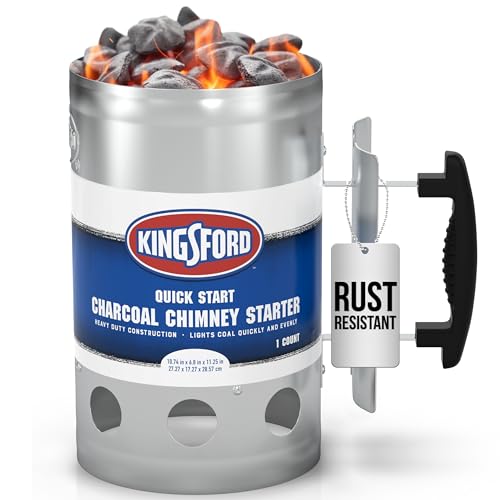
BBQ Charcoal Chimney Starter
A good chimney starter gets your coals ready in about 15 minutes without lighter fluid, which can leave an off-flavor on your pork steaks.
Frequently Asked Questions
Are pork steaks the same as pork chops?
No. Pork chops come from the loin, which is a leaner, less fatty part of the pig. Pork steaks come from the shoulder, which is fattier, more marbled, and better suited to longer cooking times. Chops are easy to overcook and dry out. Pork steaks are much more forgiving and actually get better the longer they cook (to a point).
What internal temperature should pork steaks reach?
This depends on your cooking method. The USDA says pork is safe at 145 degrees, but for pork steaks cooked on the grill or braised, you actually want to go higher, around 185 to 195 degrees. At that temperature, the collagen in the shoulder has broken down into gelatin and the meat becomes tender. Pulling them at 145 like you would a pork chop will leave them tough and chewy.
Where can I buy pork steaks if my grocery store doesn’t carry them?
Most stores that sell whole pork shoulder (pork butt) can cut it into steaks for you on request. Just ask at the butcher counter. You can also buy a bone-in pork shoulder and slice it yourself at home with a sharp knife. It doesn’t have to be perfectly uniform to cook well.
The Bottom Line on Pork Steaks
Pork steaks are one of the best budget cuts you can put on a grill. They’re cheap enough to feed a crowd without stressing about the bill, and they reward a little patience with genuinely great results. For anyone who already loves budget beef cuts, pork steaks are worth adding to the rotation as a reliable, flavorful alternative.
If you’re planning a full backyard spread, pork steaks pair well with nearly everything, and they’re a natural fit for any summer grilling menu where you want to feed people well without spending a lot of money.
Give them a real cook, get the internal temp up, and finish with plenty of sauce. You’ll see why St. Louis has been doing this for decades.
This article contains affiliate links. We may earn a small commission at no extra cost to you.


